Author name: Ishali Heman

Blog

Budget Kerala Tours

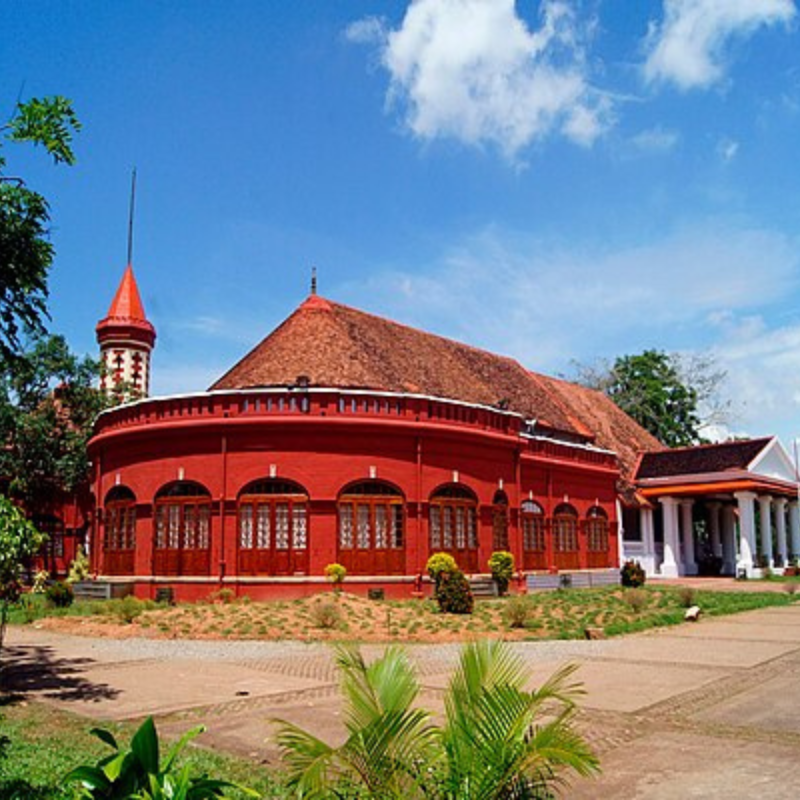
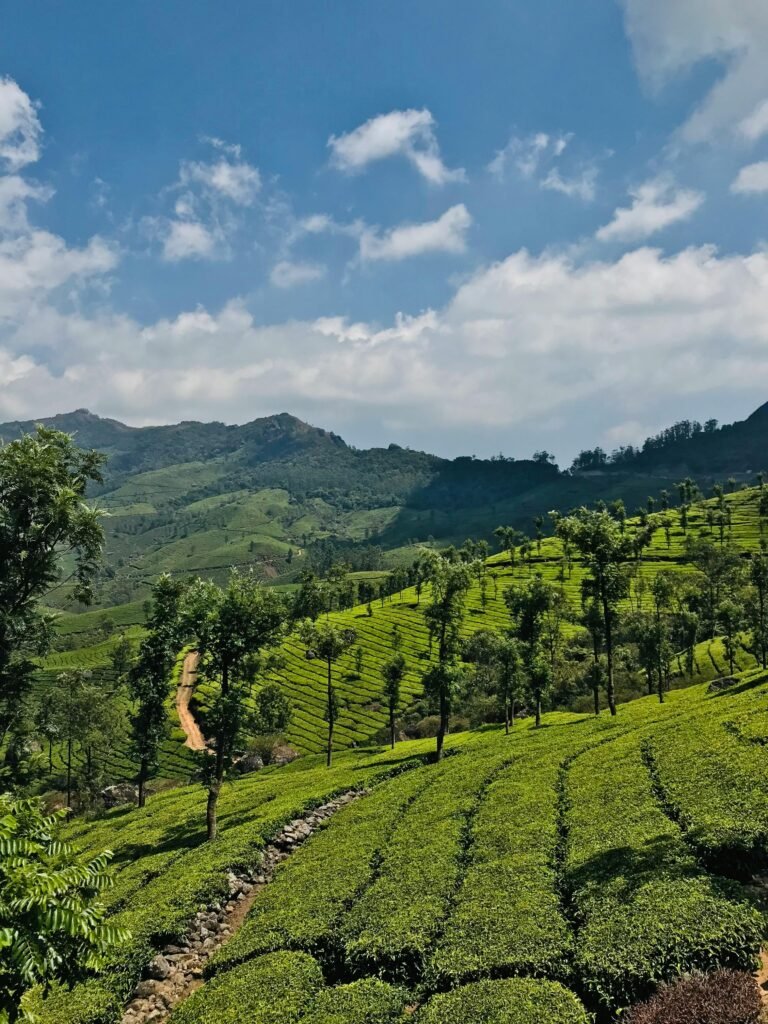
Budget Kerala Tours All Posts Read More Thiruvananthapuram How to Experience the Magic of Kerala on a Budget: A Complete Guide Padmanabhaswamy Temple Known as the world’s richest temple, this architectural marvel is dedicated to Lord Vishnu. Visitors flock here to witness its gold-plated exterior and intricate Dravidian-style stone carvings. Kovalam Beach This world-famous destination is recognized by its iconic red-and-white striped lighthouse overlooking three crescent-shaped beaches. It is the perfect spot for sunbathing, surfing, and enjoying fresh coastal cuisine. Varkala Cliff These unique red sedimentary cliffs stand in sharp contrast to the blue waters of the Arabian Sea below. It is the only place in southern Kerala where cliffs are found adjacent to the sea, offering a spectacular sunset view. Know More Kollam & Pathanamthitta Jatayu Earth’s Center Home to the world’s largest bird sculpture, this massive rock-themed park celebrates the legendary character from the Ramayana. Visitors can enjoy a cable car ride to the hilltop for breathtaking views and adventure activities. Munroe Island This hidden gem is famous for its narrow canal cruises that wind through lush coconut plantations and quiet villages. It offers an authentic look at traditional island life and the serene beauty of the backwaters. Ashtamudi Lake Recognized as the gateway to the Kerala backwaters, this vast palm-shaped lake is the second-largest in the state. Its calm waters are perfect for long houseboat stays and spotting diverse local birdlife. Thenmala As India’s first planned eco-tourism project, this destination offers a mix of adventure, culture, and nature. It features a beautiful dam, a butterfly safari, and unique trekking trails through the forest. Know More All Posts Read More All Posts Read More Alappuzha Alleppey Backwaters Known as the “Venice of the East,” this vast network of lagoons and canals is the premier hub for iconic houseboat cruises. It offers travelers a tranquil way to drift past lush landscapes while enjoying traditional Kerala meals prepared right on the water. Kuttanad Famous as “The Rice Bowl of Kerala,” this unique region is one of the few places in the world where farming is successfully practiced below sea level. The area provides a stunning visual of endless green paddy fields separated by narrow dikes and shimmering waterways. Marari Beach This serene destination is celebrated for its pristine white sands and quiet atmosphere, making it far more peaceful than the busier tourist hubs. It is the perfect location for luxury eco-resorts and those looking to unwind under a canopy of coconut trees. Know More Kottayam & Idukki Munnar This world-famous hill station is blanketed in endless rolling tea estates that create a breathtaking emerald carpet across the mountains. It is the perfect destination for those seeking cool climates, aromatic air, and stunning photography spots. Eravikulam National Park This protected sanctuary is the natural home of the endangered Nilgiri Tahr, a mountain goat found nowhere else in the world. Visitors can trek through the high-altitude grasslands and enjoy the spectacular blooming of Neelakurinji flowers once every twelve years. Thekkady (Periyar) As the heart of Kerala’s wildlife, this region offers unique jungle boating experiences where you can spot wild elephants and tigers from the safety of the lake. The surrounding forests are also famous for guided spice plantation tours and adventurous night treks. Know More All Posts Read More All Posts Read More Ernakulam Fort Kochi Steeped in colonial history, this seaside area is world-famous for its iconic giant Chinese fishing nets that line the shore. Its narrow streets are filled with Dutch and Portuguese-style architecture, charming art cafes, and historical landmarks. Mattancherry Palace Commonly known as the Dutch Palace, this heritage building features a unique blend of Kerala and colonial architectural styles. It is most celebrated for its incredibly vibrant 16th-century murals that depict detailed scenes from Hindu epics. Paradesi Synagogue Located in the heart of Jew Town, this is the oldest active synagogue in the Commonwealth and a symbol of Kochi’s multicultural past. Visitors are captivated by its hand-painted Chinese porcelain floor tiles and magnificent Belgian glass chandeliers. Know More Thrissur & Palakkad Vadakkunnathan Temple This ancient temple is a masterpiece of classical Kerala-style architecture, featuring massive stone walls and four grand gopurams. It is a UNESCO-recognized site that sits at the heart of Thrissur and serves as the center stage for the world-famous Pooram festival. Guruvayur Temple Known as the “Dwarka of the South,” this major pilgrimage site is dedicated to Lord Krishna and is one of the most visited temples in India. Its sacred atmosphere and traditional rituals draw millions of devotees who come to seek blessings in the divine presence of Guruvayurappan. Punnathur Kotta Once a palace, this unique sanctuary now serves as a dedicated home for over 50 elephants belonging to the Guruvayur Temple. Visitors can observe these majestic animals being fed, bathed, and cared for within the lush, sprawling grounds of the fort. Kalamandalam This world-renowned center is the premier institution for learning Kathakali, Mohiniyattam, and other traditional performing arts of Kerala. It offers a rare opportunity for tourists to witness the rigorous training and cultural heritage that preserve the state’s ancient artistic soul. Know More All Posts Read More All Posts Read More Kozhikode & Malappuram Kozhikode Beach This historic shoreline is famous for its century-old piers that extend into the sea and its vibrant evening atmosphere. It is a paradise for food lovers, offering some of the best street-side seafood and the legendary Kozhikodan Halwa. Kappad Beach This geographically significant beach is the exact spot where the Portuguese explorer Vasco da Gama landed in 1498, changing the course of Indian history. Today, it is a peaceful Blue Flag-certified beach known for its rocky formations and clean, quiet sands. Beypore Located at the mouth of the Chaliyar River, this ancient port is world-renowned for its “Uru” ship-building industry where massive wooden dhows are still handcrafted. Visitors can walk along the beautiful stone pier that stretches nearly two kilometers into the sea. Know More Wayanad Banasura Sagar Dam As India’s largest earthen dam, this
Blog

Family Tour Packages

Family Tour Packages All Posts Read More Thiruvananthapuram Unforgettable Family Adventures: The Ultimate Guide to Kerala Family Tour Packages Padmanabhaswamy Temple Known as the world’s richest temple, this architectural marvel is dedicated to Lord Vishnu. Visitors flock here to witness its gold-plated exterior and intricate Dravidian-style stone carvings. Kovalam Beach This world-famous destination is recognized by its iconic red-and-white striped lighthouse overlooking three crescent-shaped beaches. It is the perfect spot for sunbathing, surfing, and enjoying fresh coastal cuisine. Varkala Cliff These unique red sedimentary cliffs stand in sharp contrast to the blue waters of the Arabian Sea below. It is the only place in southern Kerala where cliffs are found adjacent to the sea, offering a spectacular sunset view. Know More Kollam & Pathanamthitta Jatayu Earth’s Center Home to the world’s largest bird sculpture, this massive rock-themed park celebrates the legendary character from the Ramayana. Visitors can enjoy a cable car ride to the hilltop for breathtaking views and adventure activities. Munroe Island This hidden gem is famous for its narrow canal cruises that wind through lush coconut plantations and quiet villages. It offers an authentic look at traditional island life and the serene beauty of the backwaters. Ashtamudi Lake Recognized as the gateway to the Kerala backwaters, this vast palm-shaped lake is the second-largest in the state. Its calm waters are perfect for long houseboat stays and spotting diverse local birdlife. Thenmala As India’s first planned eco-tourism project, this destination offers a mix of adventure, culture, and nature. It features a beautiful dam, a butterfly safari, and unique trekking trails through the forest. Know More All Posts Read More All Posts Read More Alappuzha Alleppey Backwaters Known as the “Venice of the East,” this vast network of lagoons and canals is the premier hub for iconic houseboat cruises. It offers travelers a tranquil way to drift past lush landscapes while enjoying traditional Kerala meals prepared right on the water. Kuttanad Famous as “The Rice Bowl of Kerala,” this unique region is one of the few places in the world where farming is successfully practiced below sea level. The area provides a stunning visual of endless green paddy fields separated by narrow dikes and shimmering waterways. Marari Beach This serene destination is celebrated for its pristine white sands and quiet atmosphere, making it far more peaceful than the busier tourist hubs. It is the perfect location for luxury eco-resorts and those looking to unwind under a canopy of coconut trees. Know More Kottayam & Idukki Munnar This world-famous hill station is blanketed in endless rolling tea estates that create a breathtaking emerald carpet across the mountains. It is the perfect destination for those seeking cool climates, aromatic air, and stunning photography spots. Eravikulam National Park This protected sanctuary is the natural home of the endangered Nilgiri Tahr, a mountain goat found nowhere else in the world. Visitors can trek through the high-altitude grasslands and enjoy the spectacular blooming of Neelakurinji flowers once every twelve years. Thekkady (Periyar) As the heart of Kerala’s wildlife, this region offers unique jungle boating experiences where you can spot wild elephants and tigers from the safety of the lake. The surrounding forests are also famous for guided spice plantation tours and adventurous night treks. Know More All Posts Read More All Posts Read More Ernakulam Fort Kochi Steeped in colonial history, this seaside area is world-famous for its iconic giant Chinese fishing nets that line the shore. Its narrow streets are filled with Dutch and Portuguese-style architecture, charming art cafes, and historical landmarks. Mattancherry Palace Commonly known as the Dutch Palace, this heritage building features a unique blend of Kerala and colonial architectural styles. It is most celebrated for its incredibly vibrant 16th-century murals that depict detailed scenes from Hindu epics. Paradesi Synagogue Located in the heart of Jew Town, this is the oldest active synagogue in the Commonwealth and a symbol of Kochi’s multicultural past. Visitors are captivated by its hand-painted Chinese porcelain floor tiles and magnificent Belgian glass chandeliers. Know More Thrissur & Palakkad Vadakkunnathan Temple This ancient temple is a masterpiece of classical Kerala-style architecture, featuring massive stone walls and four grand gopurams. It is a UNESCO-recognized site that sits at the heart of Thrissur and serves as the center stage for the world-famous Pooram festival. Guruvayur Temple Known as the “Dwarka of the South,” this major pilgrimage site is dedicated to Lord Krishna and is one of the most visited temples in India. Its sacred atmosphere and traditional rituals draw millions of devotees who come to seek blessings in the divine presence of Guruvayurappan. Punnathur Kotta Once a palace, this unique sanctuary now serves as a dedicated home for over 50 elephants belonging to the Guruvayur Temple. Visitors can observe these majestic animals being fed, bathed, and cared for within the lush, sprawling grounds of the fort. Kalamandalam This world-renowned center is the premier institution for learning Kathakali, Mohiniyattam, and other traditional performing arts of Kerala. It offers a rare opportunity for tourists to witness the rigorous training and cultural heritage that preserve the state’s ancient artistic soul. Know More All Posts Read More All Posts Read More Kozhikode & Malappuram Kozhikode Beach This historic shoreline is famous for its century-old piers that extend into the sea and its vibrant evening atmosphere. It is a paradise for food lovers, offering some of the best street-side seafood and the legendary Kozhikodan Halwa. Kappad Beach This geographically significant beach is the exact spot where the Portuguese explorer Vasco da Gama landed in 1498, changing the course of Indian history. Today, it is a peaceful Blue Flag-certified beach known for its rocky formations and clean, quiet sands. Beypore Located at the mouth of the Chaliyar River, this ancient port is world-renowned for its “Uru” ship-building industry where massive wooden dhows are still handcrafted. Visitors can walk along the beautiful stone pier that stretches nearly two kilometers into the sea. Know More Wayanad Banasura Sagar Dam As India’s largest earthen dam, this massive structure
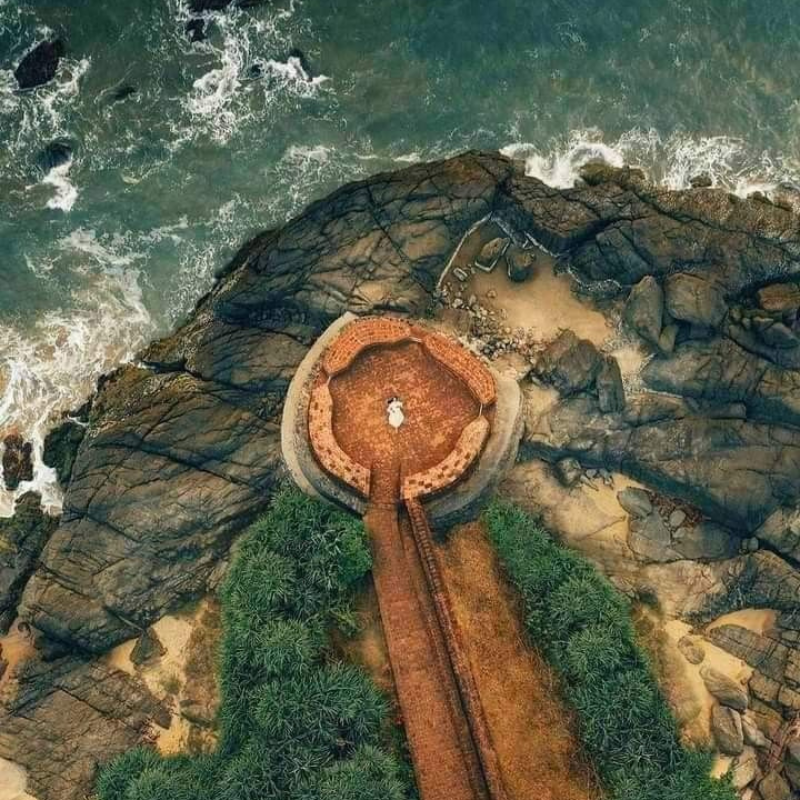
Aerial-style view of the keyhole-shaped architecture of Bekal Fort in Kasaragod.
Destinations

Kannur & Kasaragod

Kannur & Kasaragod Kannur & Kasaragod Travel Guide 2026 — Forts, Theyyam & Kerala’s Northernmost Coast Discover Kannur and Kasaragod in 2026 — Theyyam rituals, St. Angelo Fort, Bekal Fort, pristine beaches and the northernmost corner of God’s Own Country. Most Kerala itineraries stop at Kozhikode. That is understandable — Kozhikode is where the Malabar coast becomes most accessible and most discussed. However, continuing north from Kozhikode into Kannur and then into Kasaragod takes you into a part of Kerala that operates at an older frequency entirely. Kannur is the district where Theyyam — one of the most extraordinary ritual performance traditions in Asia — is not a cultural show staged for visitors but a living religious practice that happens in temple compounds across the district from October to May each year. It is also a district of handloom weavers, cashew factories, Portuguese forts, and a coastline that remains significantly less visited than the beaches of southern Kerala. Kasaragod, directly north of Kannur and bordering Karnataka, is the last district of Kerala. It is also, in many ways, the most diverse — linguistically, culturally, and geographically. Four languages are spoken here as mother tongues. The food reflects both Kerala and Karnataka influence. And at its northern edge, the Bekal Fort sits on a headland above the Arabian Sea in what is arguably the most dramatic fort setting in Kerala. Enquire Now Tours & Packages Blog1 Destinations Packages Munnar & Alleppey 3 Night, 4 Days Munnar & Alleppey 3 Night 4 Days 2 Pax Itinerary Day 1: Cochin to Munnar Pick up and proceed to… Kerala Tour Package: 7-nights, 8-days  8-Day Enchanting Kerala Escape Itinerary Day 1: Arrival at Cochin Pick up at cochin, visit Dutch palace, Jewish synagogue, chinese… Kerala Tour Package: 5-nights, 6-days 6-Day Enchanting Kerala Escape Itinerary Day 1: Arrival at Cochin Pick-up: Cochin Airport / Railway Station Proceed to hotel check-in… Kannur and Kasaragod Highlights Muzhappilangad Beach Asia’s longest drive-in beach. Parassinikkadavu Muthappan Temple Known for Theyyam rituals. Ranipuram Grasslands and shola forests (trekking). Chandragiri Fort 17th-century fort with views of the river and sea. St. Angelo Fort Massive seaside fort in Kannur. Aralam Wildlife Sanctuary Northernmost sanctuary in Kerala. Valiyaparamba Backwaters Pristine, non-commercial water stretch. Payyambalam Beach Beautifully landscaped town beach. Bekal Fort Most iconic, giant keyhole-shaped fort. Ananthapura Lake Temple Ancient temple in the middle of a lake. Kannur and Kasaragod: Where Kerala’s Coast Ends, Its Oldest Traditions Begin Kannur (also called Cannanore) was historically one of the most strategically important ports on the Malabar coast. The Portuguese recognised this immediately and built St. Angelo Fort here in 1505 — just seven years after Vasco da Gama’s first landing at Kappad. The Dutch took the fort in 1663. The British acquired it in 1790. Each colonial power recognised what the Kolathiri kings before them had already established — that Kannur controlled the northern Malabar trade corridor. That layered history gives Kannur a character different from both Kozhikode to the south and Kasaragod to the north. It is a district that has been contested, traded, and shaped by external forces for centuries — and has consequently developed a cultural identity that is assertively its own. Above all, that identity is expressed through Theyyam. Understanding Theyyam before you arrive in Kannur is therefore not optional — it is essential to understanding the district itself. Theyyam — The Living Deity Tradition That Defines Kannur Theyyam is the most important thing about Kannur. Nothing else in the district — or arguably in all of north Kerala — comes close to it in cultural significance, visual impact, or sheer experiential power. To describe Theyyam simply: it is a ritual performance tradition in which the performer, after hours of elaborate costume and makeup preparation, embodies a specific deity or ancestor spirit. The transformation is considered literal by the community — the performer is not acting the deity but becoming the deity. Devotees seek blessings directly from the performer during the ritual. The entire community participates. However, that description does not capture what it is actually like to witness. The costumes — built over wooden frames, covered in leaves, flowers, mirrors, and elaborate headgear that can stand three metres tall — are among the most extraordinary ceremonial objects in Asia. The performance involves fire, percussion, trance states, and a direct engagement with the audience that has no equivalent in any theatre or festival tradition in India. There are over 400 distinct Theyyam forms, each with its own deity, costume, ritual sequence, and associated community. The performances happen in temple compounds called kavu — small forest shrines — across Kannur and the northern Kasaragod area. They are open to all, regardless of religion or background. Entry is free. Photography is generally permitted from a respectful distance. When does Theyyam happen? The season runs from October to May, with the peak between December and February. Performances happen on specific dates determined by the temple calendar — not on a regular schedule. Therefore, finding out which kavu is performing on the days you are in Kannur requires local knowledge or a reliable local contact. How to find Theyyam performances: The most reliable method is asking your homestay host or hotel. Most accommodation providers in Kannur can tell you about performances within driving distance. Alternatively, the Kannur District Tourism Promotion Council maintains a schedule during peak season. Several local guides specialise specifically in Theyyam access — they know which performances are happening, how to reach the kavu, and the protocols for respectful observation. Most importantly: do not treat Theyyam as entertainment. It is a religious event that happens to be visually extraordinary. Observe quietly, dress modestly, and follow the lead of the community around you. Given that approach, the welcome is genuine and consistent. St. Angelo Fort — Portuguese Stone on a Kerala Headland Built by the Portuguese in 1505 on a laterite headland above Mappila Bay, St. Angelo Fort is one of the best-preserved colonial forts in Kerala. The Portuguese held it for 158

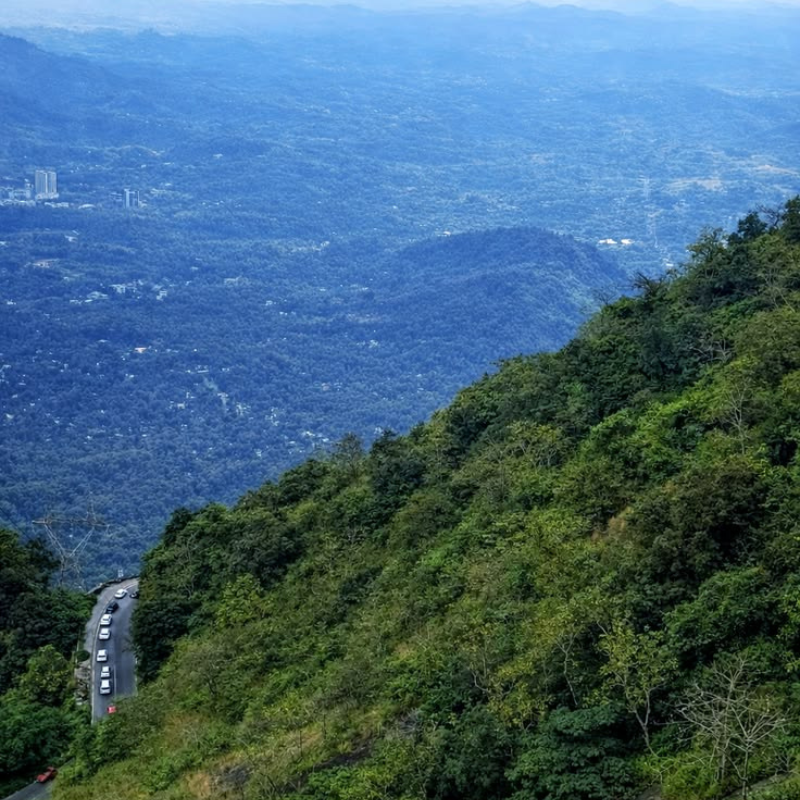
Panoramic view of the winding roads and misty mountain valleys at Lakkidi.
Destinations

Wayanad

Wayanad Wayanad Travel Guide 2026 — Hills, Wildlife, Tribes & What to Actually Expect Planning a trip to Wayanad? From Chembra Peak to Edakkal Caves, wildlife safaris to coffee estates — here is everything you need to know before you go. There is a reason Wayanad appears on almost every Kerala travel list published in the last five years. The district sits at an altitude of 700 to 2100 metres, covered in coffee and tea estates, dense rainforest, open grasslands, and mist that rolls in from the Western Ghats every evening without fail. It is, in short, the kind of place that photographs itself. However, Wayanad is also more than its photographs suggest. It is home to the largest concentration of tribal communities in Kerala. It holds some of the most significant prehistoric rock carvings in South Asia. Its forests are part of the Nilgiri Biosphere Reserve — the largest biosphere reserve in India. And its food culture, shaped by both the tribal communities and the estate workers who have lived here for generations, is unlike anything found on the Kerala coast. If your Kerala itinerary includes the southern stretch — and our 7 Nights 8 Days Kerala package does — Thiruvananthapuram is where the journey reaches its most historically rich point. This guide covers everything you need to know: what to see, how to plan your time, the best areas to stay, what to eat, and when to go. Enquire Now Tours & Packages Blog1 Destinations Packages Munnar & Alleppey 3 Night, 4 Days Munnar & Alleppey 3 Night 4 Days 2 Pax Itinerary Day 1: Cochin to Munnar Pick up and proceed to… Kerala Tour Package: 7-nights, 8-days  8-Day Enchanting Kerala Escape Itinerary Day 1: Arrival at Cochin Pick up at cochin, visit Dutch palace, Jewish synagogue, chinese… Kerala Tour Package: 5-nights, 6-days 6-Day Enchanting Kerala Escape Itinerary Day 1: Arrival at Cochin Pick-up: Cochin Airport / Railway Station Proceed to hotel check-in… Wayanad Highlights Banasura Sagar Dam India’s largest earthen dam. Soochipara Falls Three-tiered waterfall in dense forest. Muthanga Wildlife Sanctuary Part of the Nilgiri Biosphere. Meenmutty Falls Massive falls accessible via a forest trek. Edakkal Caves Neolithic rock carvings. Pookode Lake Natural freshwater lake shaped like India’s map. Thirunelli Temple The “Kashi of the South” on Brahmagiri Hills. Chembra Peak Heart-shaped lake and trekking. Kuruva Island River delta with bamboo rafting. Lakkidi View Point Gateway to Wayanad with misty views. Wayanad in 2026: The Honest Guide to Kerala’s Most Beloved Hill District Wayanad is a plateau district. Unlike Munnar, which is a single hill station town surrounded by tea gardens, Wayanad is an entire elevated landscape — a broad tableland in the Western Ghats, bordered by Karnataka to the north, Tamil Nadu to the east, Kozhikode to the west, and Malappuram to the southwest. The district has three main towns: Kalpetta (the district headquarters), Mananthavady (in the north), and Sulthan Bathery (in the east). Each functions as a base for different parts of the district. In fact, Wayanad is large enough that choosing your base thoughtfully matters — Kalpetta gives access to Chembra Peak and the western forests, Sulthan Bathery is the entry point for Edakkal Caves and Muthanga Wildlife Sanctuary, and Mananthavady sits closest to the Brahmagiri Hills and the Karnataka border forests. Most travellers stay in Kalpetta or the resort belt between Kalpetta and Vythiri. That is a reasonable choice. However, it means the eastern and northern parts of the district — often the most interesting — require longer drives. Chembra Peak — Wayanad’s Most Famous Trek At 2,100 metres above sea level, Chembra Peak is the highest point in Wayanad and one of the most popular treks in Kerala. The trail starts from Meppadi, about 8 kilometres from Kalpetta, and climbs through tea gardens, grassland, and shola forest to a heart-shaped lake near the summit — and then to the peak itself. The heart-shaped lake — locally called Hridayathadakam — sits at around 1,700 metres and is the point most trekkers photograph. It is a naturally formed lake in a grass-lined depression that holds its shape across seasons. On clear days, the view from the lake across the Wayanad plateau and the forests below is extensive. The full trek to the summit and back takes 5 to 6 hours. The trail requires a Forest Department permit, available at the base camp at Meppadi. A guide is mandatory — this is enforced, not optional. Permits are limited daily, which means arriving early is essential during peak season. However, the trek has become significantly more popular in the last three years. Consequently, weekends from November to February see large groups on the trail, which changes the experience considerably. Therefore, if possible, go on a weekday. The permit process is the same, the views are identical, and the trail is noticeably quieter. Edakkal Caves — Prehistoric Art in a Rock Fissure Thirty kilometres east of Kalpetta, near Sulthan Bathery, the Edakkal Caves are not caves in the conventional sense. They are a natural rock fissure — a long, narrow cleft in the Ambukuthi hill, formed by geological pressure over millions of years — with walls covered in petroglyphs that archaeologists date to between 6,000 and 8,000 years old. The carvings include human figures, animals, geometric patterns, and what appear to be early writing symbols that some scholars associate with the Indus Valley civilisation. Whether that connection is accurate remains debated. What is not debated is that these are among the oldest rock carvings in South Asia and that their presence in a forest hill in Wayanad raises questions about early human settlement in the Western Ghats that have not been fully answered. The climb to the caves involves about 1.5 kilometres of uphill walking on a paved path — not difficult, but steady. The narrow fissure at the top requires some agility to enter. Inside, the carvings are protected behind barriers but clearly visible. The context provided by signage inside the caves is useful. Worth

Destinations

Kozhikode & Malappuram

Kozhikode & Malappuram Kozhikode & Malappuram Travel Guide 2026 — Spice Coast, History & Hidden Kerala Discover Kozhikode and Malappuram in 2026 — Calicut beach, Beypore port, Kalpeni, Nilambur teak forests and the Malabar coast. Your complete travel guide. Most travellers think of Kerala as a state of backwaters and hill stations. That framing is not wrong — but it leaves out an entire cultural and geographical zone that runs along the northern Malabar coast. Kozhikode and Malappuram together form that zone. They are, in many ways, the most historically significant part of Kerala. Kozhikode — known to the world as Calicut — is where Vasco da Gama landed in 1498 and changed the global spice trade forever. It is where the Zamorin kings built one of the most powerful port kingdoms in medieval Asia. It is where Malabar cuisine — widely regarded as some of the finest cooking in South India — developed its particular identity over centuries of Arab, Portuguese, and indigenous influence. Malappuram, directly south of Kozhikode, is different in character but equally layered. It is Kerala’s most densely forested district in the northern belt, home to the Nilambur teak forests that supplied timber to Victorian Britain, and to a cultural landscape shaped by centuries of trade, pilgrimage, and intellectual exchange across the Arabian Sea. Therefore, if your Kerala trip currently ends in Thrissur heading north — or if you are planning a route that takes in the full western coast — these two districts are not optional. They are essential. Enquire Now Tours & Packages Blog1 Destinations Packages Munnar & Alleppey 3 Night, 4 Days Munnar & Alleppey 3 Night 4 Days 2 Pax Itinerary Day 1: Cochin to Munnar Pick up and proceed to… Kerala Tour Package: 7-nights, 8-days  8-Day Enchanting Kerala Escape Itinerary Day 1: Arrival at Cochin Pick up at cochin, visit Dutch palace, Jewish synagogue, chinese… Kerala Tour Package: 5-nights, 6-days 6-Day Enchanting Kerala Escape Itinerary Day 1: Arrival at Cochin Pick-up: Cochin Airport / Railway Station Proceed to hotel check-in… Kozhikode & Malappuram Highlights Kozhikode Beach Famous for its old piers and seafood. Thusharagiri Waterfalls Three-tiered falls for trekking. Nilambur Teak Museum First teak museum in the world. Kappad Beach Where Vasco da Gama landed in 1498. Kakkadampoyil The “Munnar of Malabar.” Canoli Plot World’s oldest man-made teak plantation. Beypore Ancient port known for “Uru” ship building. S.M. Street (Sweet Meat Street) Historic shopping and food lane. Best Places to Visit in Kozhikode and Malappuram Most travellers think of Kerala as a state of backwaters and hill stations. That framing is not wrong — but it leaves out an entire cultural and geographical zone that runs along the northern Malabar coast. Kozhikode and Malappuram together form that zone. They are, in many ways, the most historically significant part of Kerala. Kozhikode — known to the world as Calicut — is where Vasco da Gama landed in 1498 and changed the global spice trade forever. It is where the Zamorin kings built one of the most powerful port kingdoms in medieval Asia. It is where Malabar cuisine — widely regarded as some of the finest cooking in South India — developed its particular identity over centuries of Arab, Portuguese, and indigenous influence. Malappuram, directly south of Kozhikode, is different in character but equally layered. It is Kerala’s most densely forested district in the northern belt, home to the Nilambur teak forests that supplied timber to Victorian Britain, and to a cultural landscape shaped by centuries of trade, pilgrimage, and intellectual exchange across the Arabian Sea. Therefore, if your Kerala trip currently ends in Thrissur heading north — or if you are planning a route that takes in the full western coast — these two districts are not optional. They are essential. Kozhikode — Understanding the City Before You Visit Kozhikode is a mid-sized city by Indian standards. However, it punches significantly above its weight in terms of historical importance, cultural output, and food quality. Because it developed as a trading city rather than an administrative one, its character is mercantile and outward-looking in a way that is still palpable today. The old city near the beach and the SM Street corridor carries the accumulated texture of centuries of commerce. Spice warehouses, timber merchants, gold shops, and textile dealers sit alongside each other in a streetscape that has not fundamentally changed its function in hundreds of years. The scale is human. The pace is manageable. Unlike Cochin, which has been significantly shaped by tourism infrastructure, Kozhikode operates primarily for its own residents. That, above all, is what makes it interesting to visit. Kappad Beach — Where European History in India Began Sixteen kilometres north of Kozhikode city, at a beach called Kappad, Vasco da Gama stepped ashore on 27 May 1498. That moment changed global history. It opened the sea route from Europe to Asia, ended the Arab monopoly on the spice trade, and set in motion the colonial encounters that shaped the modern world. A small stone monument marks the landing point. The beach itself is pleasant — rocky at the northern end, sandy further south, with fishing boats pulled up on the shore and the usual rhythm of a working Kerala coastal village behind it. However, the reason to visit Kappad is not primarily the monument. It is the historical imagination the place invites. Standing at the waterline here, knowing what that landing meant for Kerala, for India, and for the world, gives the beach a weight that more conventionally beautiful stretches of coast do not have. The village behind the beach has a relaxed, unhurried character. There are small restaurants serving fresh seafood directly from the daily catch. The headland at the northern end gives a view back down the coast toward Kozhikode. It is, in short, a worthwhile morning — history, food, and coast in a single compact visit. Kozhikode Beach and SM Street — The City’s Living Centre Kozhikode Beach is the city’s western edge — a

Blog

Honeymoon Packages

Kerala Honeymoon Packages Kerala Honeymoon Packages 2026 — Plan Your Most Romantic Trip Ever Romantic Escapes: Curated Honeymoon Journeys in Kerala Kerala is one of the most romantic destinations in India. It has misty hill stations, quiet backwaters, lush forests, and a coastline that stretches for 580 kilometres. Therefore, it is no surprise that thousands of couples choose Kerala as their honeymoon destination every year. However, planning a honeymoon is not easy. There are too many options. Too many places. Too many packages. That is exactly why we built this guide. In this post, you will find everything you need. We cover the best honeymoon destinations in Kerala, our ready-made packages, and how to build a completely custom itinerary — based on your budget, your dates, and the experiences that matter most to you. Is Kerala Good for a Honeymoon? Yes — and here is why. Kerala gives couples complete variety in a single trip. You can wake up in a misty hill station in the morning and fall asleep on a houseboat at night. You can have a private beach to yourselves in the north and a candlelit dinner on a Wayanad coffee estate the next evening. Furthermore, Kerala has world-class Ayurvedic resorts, boutique plantation stays, colonial heritage guesthouses, and luxury treehouses — all at a range of price points that few other Indian states can match. Above all, Kerala is peaceful. It moves slowly. That pace is exactly what a honeymoon needs. Best Honeymoon Places in Kerala — Destination by Destination Here is what each destination offers a couple. Use this section to decide which places matter most to you — then scroll down to choose a ready-made package or build your own. All Posts Destinations Kannur & Kasaragod Kannur & Kasaragod Kannur & Kasaragod Travel Guide 2026 — Forts, Theyyam & Kerala’s Northernmost Coast Discover Kannur and Kasaragod… Read More Wayanad Wayanad Wayanad Travel Guide 2026 — Hills, Wildlife, Tribes & What to Actually Expect Planning a trip to Wayanad? From… Read More Kozhikode & Malappuram Kozhikode & Malappuram Kozhikode & Malappuram Travel Guide 2026 — Spice Coast, History & Hidden Kerala Discover Kozhikode and Malappuram… Read More Thrissur & Palakkad Thrissur & Palakkad Thrissur & Palakkad Travel Guide 2026 — Temples, Festivals & the Gateway to the Ghats Discover Thrissur… Read More Ernakulam Ernakulam Ernakulam Travel Guide 2026 — Fort Kochi, Things to Do & What to See Planning a visit to Ernakulam?… Read More Kottayam & Idukki Kottayam & Idukki Kottayam & Idukki Travel Guide 2026 — Spice Hills, Lakes & Wild Forest Explore Kottayam and Idukki… Read More Alappuzha Alappuzha Alappuzha Travel Guide 2026 — Backwaters, Houseboats & What Nobody Tells You Planning a trip to Alappuzha? Here is… Read More Kollam & Pathanamthitta Kollam & Pathanamthitta Kollam & Pathanamthitta Travel Guide 2026 — Hidden Kerala Worth Visiting Discover Kollam and Pathanamthitta — Kerala’s… Read More Thiruvananthapuram Thiruvananthapuram Everything You Need to Know Before Visiting Thiruvananthapuram in 2026 Planning a trip to Thiruvananthapuram? Here is your complete… Read More Ready-Made Kerala Honeymoon Packages You do not have to plan everything from scratch. We have two structured packages that are perfect for couples. Package 1 — 5 Nights 6 Days Kerala Honeymoon Package 2 — 7 Nights 8 Days Kerala Honeymoon   Destinations: Cochin → Munnar → Thekkady → Alleppey → Cochin This is the most popular honeymoon itinerary in Kerala. It covers four of the state’s finest destinations in six days — perfectly paced, with no rushing. What is included: Hotel stay on twin sharing basis Breakfast and dinner daily All transfers by private vehicle Day-by-day overview: Day 1: Arrive Cochin — airport pickup, hotel check-in, Fort Kochi evening Day 2: Drive to Munnar — waterfalls en route, check-in and sunset from the hills Day 3: Full Munnar sightseeing — Eravikulam, Echo Point, Tea Museum, Mattupetty Day 4: Munnar to Thekkady — spice plantation, Periyar Lake, elephant interaction Day 5: Thekkady to Alleppey — backwater Shikara ride, Cochin sightseeing Day 6: Drop at Cochin airport   Destinations: Cochin → Munnar → Thekkady → Alleppey → Kovalam → Thiruvananthapuram → Cochin This is the comprehensive version. It adds the southern stretch — Kovalam beach and Thiruvananthapuram — giving couples a full arc from the hills to the backwaters to the coast. What is included: Hotel stay on twin sharing basis Breakfast and dinner daily All transfers by private vehicle All listed sightseeing Day-by-day overview: Day 1: Arrive Cochin — Dutch Palace, Jewish Synagogue, Fort Kochi Day 2: Cochin to Munnar — waterfalls, tea plantations, hill drive Day 3: Full Munnar excursion — Rajamalai, Echo Point, Blossom Park Day 4: Munnar to Thekkady — spice country, Periyar forest Day 5: Thekkady to Alleppey — houseboat or Shikara backwater experience Day 6: Alleppey to Kovalam — Kerala’s finest beach Day 7: Kovalam and Thiruvananthapuram — Padmanabhaswamy Temple, lighthouse Day 8: Departure from Trivandrum   Build Your Own Kerala Honeymoon — Customize It Completely This is what makes us different from a standard tour operator. You do not have to fit into a fixed itinerary. Because every couple is different, we let you choose your own combination — your destinations, your pace, your budget, and your dates. Here is how it works: Step 1 — Choose your destinations. Pick from any of the places covered in this guide. You can mix south Kerala, central Kerala, and north Kerala. You can go deep into one region or cover the full coastal length. It is entirely your choice. Step 2 — Tell us your dates and group size. We operate a minimum of 4 persons per booking for group departures. For couples joining a group departure, this is handled by us — you simply confirm your travel dates. Step 3 — We build the itinerary. Based on your chosen destinations and dates, we put together a structured day-by-day plan — with hotels, meals, transfers, and sightseeing all confirmed before you book. Step 4 — Confirm and travel. No last-minute

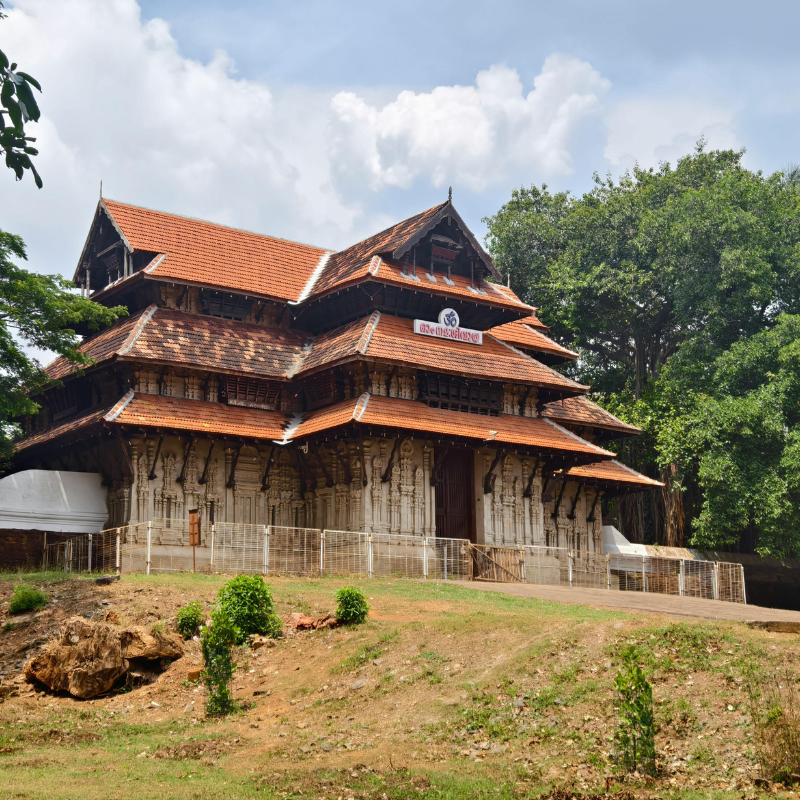
Ancient stone walls and gabled roofs of Vadakkunnathan Temple Thrissur
Destinations

Thrissur & Palakkad

Thrissur & Palakkad Thrissur & Palakkad Travel Guide 2026 — Temples, Festivals & the Gateway to the Ghats Discover Thrissur and Palakkad in 2026 — Thrissur Pooram, Vadakkunnathan Temple, Silent Valley, Palakkad Fort and the Western Ghats gap. Your complete travel guide. Kerala is often described in terms of its landscapes — backwaters, hill stations, beaches, forests. However, two districts in the state’s central-northern corridor offer something different. Thrissur gives you Kerala’s deepest cultural and religious traditions, concentrated in a city that has been a centre of temple arts and festivals for over a thousand years. Palakkad gives you the mountain gap through which the rest of India has reached Kerala since ancient times — a corridor of forts, rivers, reservoirs, and forests that sits at the edge of the Western Ghats. Together they form a part of Kerala that most first-time visitors do not reach on the standard circuit. That is precisely why they are worth understanding before you plan your trip. Because if your dates align with Thrissur Pooram, or your interest runs toward Silent Valley’s primeval forest, or you want to stand at the point where the plains of Tamil Nadu give way to Kerala’s hills — these two districts deliver experiences that Munnar and Alleppey simply do not. Enquire Now Tours & Packages Blog1 Destinations Packages Munnar & Alleppey 3 Night, 4 Days Munnar & Alleppey 3 Night 4 Days 2 Pax Itinerary Day 1: Cochin to Munnar Pick up and proceed to… Kerala Tour Package: 7-nights, 8-days  8-Day Enchanting Kerala Escape Itinerary Day 1: Arrival at Cochin Pick up at cochin, visit Dutch palace, Jewish synagogue, chinese… Kerala Tour Package: 5-nights, 6-days 6-Day Enchanting Kerala Escape Itinerary Day 1: Arrival at Cochin Pick-up: Cochin Airport / Railway Station Proceed to hotel check-in… Thrissur and Palakkad Highlights Vadakkunnathan Temple Classical Kerala-style architecture. Kalamandalam Center for learning Kathakali and traditional arts. Silent Valley National Park Untouched tropical rainforest. Dhoni Hills Trekking spot with a small waterfall. Guruvayur Temple Major pilgrimage site for Lord Krishna. Snehatheeram Beach A well-maintained “Love Shore” beach. Nelliyampathy Hidden hills known for orange groves. Kalpathy Famous for its heritage Brahmin villages and chariot festival. Punnathur Kotta Elephant sanctuary with over 50 elephants. Malampuzha Dam Gardens, ropeway, and rock garden. Parambikulam Tiger Reserve Rich wildlife and teak plantations. Thrissur and Palakkad: Where Kerala’s Cultural Heart Meets Its Mountain Gateway Thrissur holds the title of Kerala’s cultural capital, and unlike most honorary titles attached to Indian cities, this one is accurate. The density of temples, classical arts institutions, festivals, and active religious life in this single district exceeds what most Indian states can claim as a whole. The city is built around a raised central ground — Thekkinkadu Maidan — at the heart of which sits the Vadakkunnathan Temple complex. Everything in Thrissur radiates outward from this point. The annual Pooram festival uses the Maidan as its stage. The city’s commercial streets run around its perimeter. The cultural identity of the district is inseparable from the architectural and spiritual presence of this central complex. Beyond the temple, Thrissur is the headquarters of the Kerala Sangeetha Nataka Akademi, the Kerala Sahitya Akademi, and several of the state’s most important Kathakali and Mohiniyattam training institutions. Classical music, visual arts, and literary culture are not performed here for tourists — they are practised here as a living tradition. Vadakkunnathan Temple — The Centre That Holds The Vadakkunnathan Temple at the heart of Thrissur city is one of the oldest functioning temples in Kerala. It is dedicated to Lord Shiva and built in the classic Kerala temple style — sloping tiled roofs, wooden carvings, circular shrines within concentric walls — that represents one of South India’s most distinctive architectural traditions. The temple complex is large. Within its outer walls sit shrines to Shankaranarayana, Rama, and Parvati alongside the main Shiva sanctum. The wooden carvings inside, particularly on the ceiling of the main sanctum, are among the finest surviving examples of traditional Kerala woodcraft — intricate, layered, and painted in the natural pigment palette that characterises Kerala temple art. Entry to the inner sanctum is restricted to Hindus. However, the outer precincts and the Thekkinkadu Maidan surrounding the complex are open to all. The perimeter walk around the temple walls — past ancient lamps, carved doorways, and the massive banyan trees that have grown into the compound over centuries — takes about 30 minutes and is worth every minute of it. The temple opens at 3 AM for the first ritual. For non-pilgrims, arriving between 6 and 8 AM gives a sense of the morning activity — priests moving between shrines, devotees completing their rounds, the smell of sandalwood and camphor in the cool early air. Thrissur Pooram — The Festival That Redefines Scale If you know one thing about Thrissur, it is likely Thrissur Pooram. Held every year in April or May on the Medam Pooram day of the Malayalam calendar, it is the most spectacular temple festival in India and one of the largest public gatherings in the world. The festival brings together ten temples from the surrounding area in a daylong procession on Thekkinkadu Maidan. Two groups — the Thiruvambady and Paramekkavu temples — face each other across the Maidan in competitive display, each group presenting between 15 and 30 decorated elephants adorned with gold caparisons, silk umbrellas, and peacock fans, while percussion ensembles of over 100 musicians perform simultaneously. The percussion — panchavadyam and chenda melam — reaches a controlled intensity over several hours that has no real equivalent in Indian festival music. The sound at peak performance carries for kilometres. Observers who attend describe it as physically overwhelming in the best possible sense. The festival culminates before dawn with a fireworks display — the Kudamattom — that is itself considered among the finest in Asia. The fireworks begin around 3 AM and last approximately three hours. Consequently, Thrissur becomes extremely crowded during Pooram. Hotels book out months in advance. If attending is your intention,

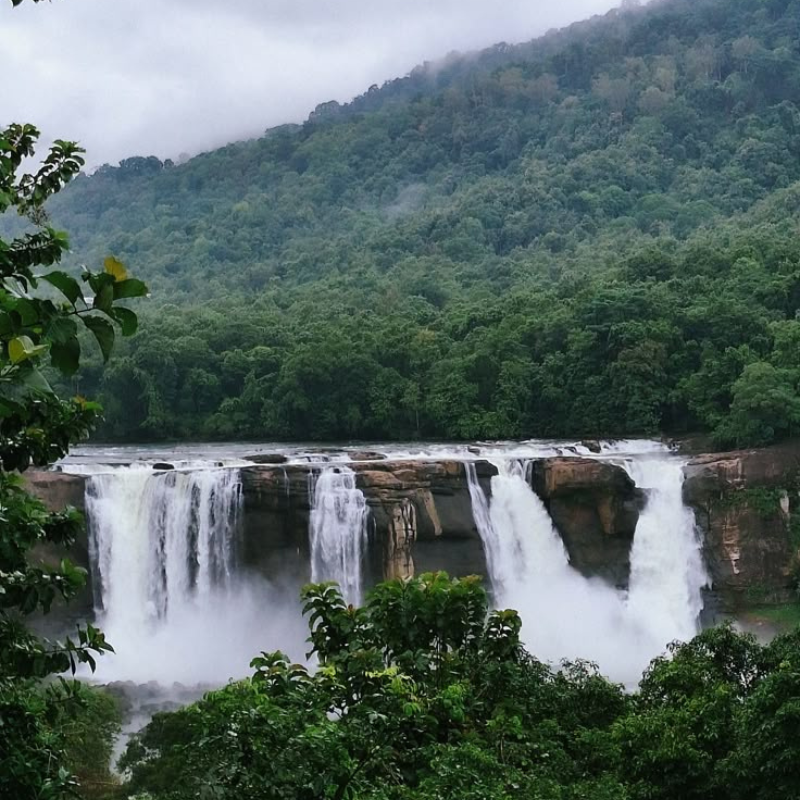
The wide and powerful Athirappilly waterfall cascading down rocks
Destinations

Ernakulam

Ernakulam Ernakulam Travel Guide 2026 — Fort Kochi, Things to Do & What to See Planning a visit to Ernakulam? From Fort Kochi’s colonial lanes to Jew Town’s spice markets — here is everything you need to know before you arrive. Every Kerala tour starts in Ernakulam. That is not a coincidence — it is geography. Cochin International Airport is the state’s busiest, the railway station connects to the entire country, and the road network fans outward from here to Munnar, Alappuzha, Thekkady, and every other point on the Kerala circuit. Because of this, most travellers treat Ernakulam as a starting block rather than a destination. They land, check in, sleep, and leave the next morning. That is understandable. It is also a mistake. Ernakulam and its island extension Fort Kochi contain some of the most historically layered urban territory in South India. Jewish, Portuguese, Dutch, and British influences left buildings, streets, markets, and institutions that are still standing and still functioning. The waterfront is genuinely beautiful. The food scene is among the best in Kerala. The ferry network connecting the mainland to its islands is one of the most pleasant ways to move through any Indian city. Enquire Now Tours & Packages Blog1 Destinations Packages Munnar & Alleppey 3 Night, 4 Days Munnar & Alleppey 3 Night 4 Days 2 Pax Itinerary Day 1: Cochin to Munnar Pick up and proceed to… Kerala Tour Package: 7-nights, 8-days  8-Day Enchanting Kerala Escape Itinerary Day 1: Arrival at Cochin Pick up at cochin, visit Dutch palace, Jewish synagogue, chinese… Kerala Tour Package: 5-nights, 6-days 6-Day Enchanting Kerala Escape Itinerary Day 1: Arrival at Cochin Pick-up: Cochin Airport / Railway Station Proceed to hotel check-in… Ernakulam Highlights Fort Kochi Colonial history and Chinese fishing nets. Marine Drive City promenade with sunset views. Willingdon Island Man-made island with major port views. Thattekad Bird Sanctuary Dr. Salim Ali’s favorite birding spot. Wonderla Kochi Major theme park for families. Mattancherry Palace Dutch palace with vibrant murals. Cherai Beach Beach and backwater meeting point. Bolgatty Palace Dutch-built island palace. Athirappilly Waterfalls The massive “Niagara of India.” Paradesi Synagogue Oldest active synagogue in the Commonwealth. Hill Palace Museum Largest archaeological museum in Kerala. Kodanad Elephant Training Center River-side elephant camp. Vazhachal Falls Forest-fringed cascades near Athirappilly. Ernakulam in 2026: The Complete Guide to Kerala’s Most Connected City Ernakulam is the mainland city — the commercial centre, the railway station, the bus terminus, and the business district. Kochi (or Cochin) is the broader metropolitan area that includes Ernakulam, Fort Kochi, Mattancherry, Willingdon Island, and the surrounding islands. Cochin is the anglicised name used historically and still common in tourism marketing. Fort Kochi is the specific peninsula on the western side of the harbour that holds the colonial heritage buildings. In practice, when travellers say “Cochin” they mean the entire area. When locals say “Ernakulam” they usually mean the mainland. When anyone says “Fort Kochi” they mean the old colonial quarter. This guide uses all three names the way they are actually used — which is to say, interchangeably except where the distinction matters. Fort Kochi — The Part of the City That Changes Everything Fort Kochi is where Ernakulam stops being a transit city and becomes a destination. The peninsula sits across the harbour from the mainland, reachable by ferry in seven minutes, and it operates at a completely different tempo from the rest of the city. The streets here are narrow and mostly walkable. The buildings are Portuguese, Dutch, and British colonial — some restored, some deliberately left in their original faded state, some turned into cafes and guesthouses without losing their architectural character. Bougainvillea grows over whitewashed walls. Hand-painted signs mark art galleries that were once spice warehouses. The whole quarter has the quality of a place that became interesting before anyone decided to make it a tourist destination — which means it still feels genuine despite the visitors. A half-day walking tour of Fort Kochi covers more history per kilometre than almost any other walk in Kerala. However, the best way to experience it is without a fixed plan — arrive early, walk slowly, and let the streets lead. Chinese Fishing Nets — The Image That Defines Kerala’s Coast The Chinese fishing nets (cheena vala) at the Fort Kochi waterfront are Kerala’s most photographed landmark. They are enormous fixed cantilever nets — each one supported by a system of bamboo and teak poles, counterbalanced by large stones, and operated by a team of four or five fishermen who lower and raise them on a tidal rhythm. The nets were introduced to Kerala by traders from the court of Kublai Khan in the 13th or 14th century. That makes them one of the oldest continuously operating fishing technologies on the Kerala coast — and they still produce a catch, though the economics of maintaining them now depend partly on tourism. The best time to see them is at sunrise. The light at that hour — soft, golden, reflecting off the harbour — is why this image appears in every Kerala travel photograph ever taken. Get there before 6:30 AM and you will have relative quiet, good light, and a genuine sense of the working waterfront before the tour groups arrive. You can buy fresh fish directly from the fishermen after each haul and have it cooked immediately at one of the stalls set up just behind the nets. The fish is as fresh as fish gets. The cooking is simple — fried or grilled with minimal spicing. Eating it sitting on the harbour wall with the nets still dripping behind you is an entirely specific Kochi experience. Mattancherry Palace — The Murals That Most People Rush Past About two kilometres south of the Chinese fishing nets, on the Mattancherry waterfront, is the palace that the Portuguese built in 1555 and later gifted to the Raja of Cochin. The Dutch renovated it significantly in 1663, which is why it is also called the Dutch Palace —

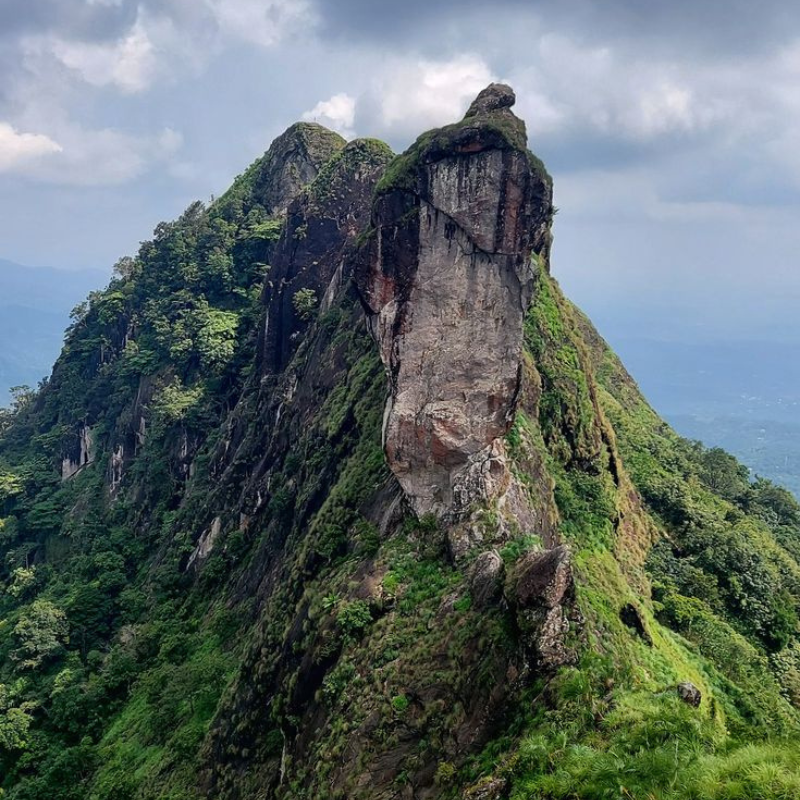
The iconic 4000ft rock formation at Illikkal Kallu Kottayam
Destinations

Kottayam & Idukki

Kottayam & Idukki Kottayam & Idukki Travel Guide 2026 — Spice Hills, Lakes & Wild Forest Explore Kottayam and Idukki in 2026 — rubber plantations, Vembanad Lake, Vagamon hills, Munnar gateway, Periyar forest and spice country. Your complete travel guide. Most travellers pass through Kottayam on the way to somewhere else. It sits between the backwaters of Alappuzha and the hills of Idukki, which means it functions as a transit point on most Kerala itineraries rather than a destination in its own right. That is a partial misreading of what Kottayam actually is. The district holds Kumarakom, one of Kerala’s finest bird sanctuaries, the western shore of Vembanad Lake, a rubber plantation landscape found nowhere else in India, an ancient Christian heritage that goes back nearly two thousand years, and the gateway into the hills that leads to everything Idukki has to offer. Idukki, on the other hand, needs no defence. It is one of the largest districts in Kerala, almost entirely mountainous, and home to Munnar, Thekkady, the Idukki Arch Dam, Vagamon, Ramakkalmedu, and stretches of forest that belong to the Periyar Tiger Reserve. If Kottayam is the foyer, Idukki is the main event. This guide covers both — because they work best understood together. Enquire Now Tours & Packages Blog1 Destinations Packages Munnar & Alleppey 3 Night, 4 Days Munnar & Alleppey 3 Night 4 Days 2 Pax Itinerary Day 1: Cochin to Munnar Pick up and proceed to… Kerala Tour Package: 7-nights, 8-days  8-Day Enchanting Kerala Escape Itinerary Day 1: Arrival at Cochin Pick up at cochin, visit Dutch palace, Jewish synagogue, chinese… Kerala Tour Package: 5-nights, 6-days 6-Day Enchanting Kerala Escape Itinerary Day 1: Arrival at Cochin Pick-up: Cochin Airport / Railway Station Proceed to hotel check-in… Kottayam and Idukki Highlights Munnar Endless rolling tea estates. Vagamon Meadows, pine forests, and paragliding. Mattupetty Dam Boating with mountain views. Ramakkalmedu High-altitude views and giant Kuravan/Kurathi statues. Attukad Waterfalls Scenic falls between Munnar and Pallivasal. Eravikulam National Park Home of the Nilgiri Tahr. Idukki Arch Dam Massive arch dam between two mountains. Top Station Highest point in Munnar with panoramic views. Panchalimedu Mythological site with trekking trails. Ilaveezhapoonchira Hill station where “leaves don’t fall” due to winds. Thekkady (Periyar) Jungle boating and wildlife safari. Kumarakom Luxury bird sanctuary and lakeside resorts. Anamudi Peak Highest peak in South India. Marayoor Only place in Kerala with natural Sandalwood forests. Illikkal Kallu A massive rock formation at 4000ft. Best Places to Visit in Kottayam and Idukki in 2026 Kottayam — The District That Reads More Than It Shows Kottayam holds a specific distinction in Indian publishing history. It was the first district in India to achieve 100 percent literacy — a fact that shaped its character in ways that are still visible. More Malayalam newspapers, magazines, and publishing houses are headquartered here than anywhere else in the state. The city has a quiet, educated, self-contained quality that is different from the commercial energy of Cochin or the tourist infrastructure of Munnar. Beyond that cultural identity, Kottayam’s landscape is defined by two things: rubber trees and water. Drive in any direction from the town and within minutes you are inside rubber plantations — rows of pale-barked trees with collection cups attached, tapped in the early morning before the heat sets in. It is an unusual and quietly beautiful landscape, particularly in the mist that settles into the valleys between October and February. Kumarakom — Backwaters at Their Most Refined Twenty-two kilometres west of Kottayam town, on the eastern shore of Vembanad Lake, is Kumarakom. Most travellers know it as a luxury resort destination — and that reputation is accurate. However, what makes Kumarakom worth visiting even for non-resort guests is the Kumarakom Bird Sanctuary. The sanctuary covers 14 acres of former rubber plantation that borders the lake. Because it sits at the water’s edge, it attracts an extraordinary variety of migratory and resident birds — egrets, herons, cormorants, darters, teals, and during the October to February migration season, Siberian storks and other long-distance visitors. Early morning — before 8 AM — is when the sanctuary is at its most active. The light on the water at that hour, combined with the bird activity, makes it one of the more memorable natural experiences in southern Kerala. Boat rides on Vembanad Lake from Kumarakom are a different experience from Alappuzha — wider water, more open sky, and a quieter atmosphere because the tourist density is lower. The sunset across the lake from the Kumarakom shore is consistently excellent. Worth noting: Kumarakom connects by water to Alappuzha — a ferry journey of roughly 2.5 hours that passes through the central Vembanad waterway. If your itinerary includes both, travelling between them by boat rather than road is the more interesting option. The Rubber Plantation Landscape — A Kerala Original Kottayam district produces more natural rubber than any other district in India. The landscape this creates is genuinely distinctive — unlike the tea gardens of Munnar, which are manicured and photogenic, rubber plantations have a different character. The trees are tall and spaced, the canopy creates dappled light, the undergrowth is kept clear, and the white latex collecting in small cups on each trunk gives the whole scene a quiet, purposeful atmosphere. Tapping happens between 5 and 8 AM, before the sun hardens the latex flow. Watching a rubber tapper work — making precise diagonal cuts in the bark with a small curved blade, each cut exactly where the previous one ended — is a skill that takes years to learn and is hypnotic to observe. Several plantation stays and homestays in Kottayam district offer the chance to walk rubber estates, watch the tapping process, and understand the agricultural economy that has shaped this part of Kerala for over a century. For travellers interested in something beyond sightseeing, a rubber plantation stay is one of the more genuine rural experiences available in Kerala. Syrian Christian Churches — Ancient and Accessible Kottayam is one of the centres

Aerial view of Pathiramanal Island bird sanctuary in Vembanad Lake
Destinations

Alappuzha

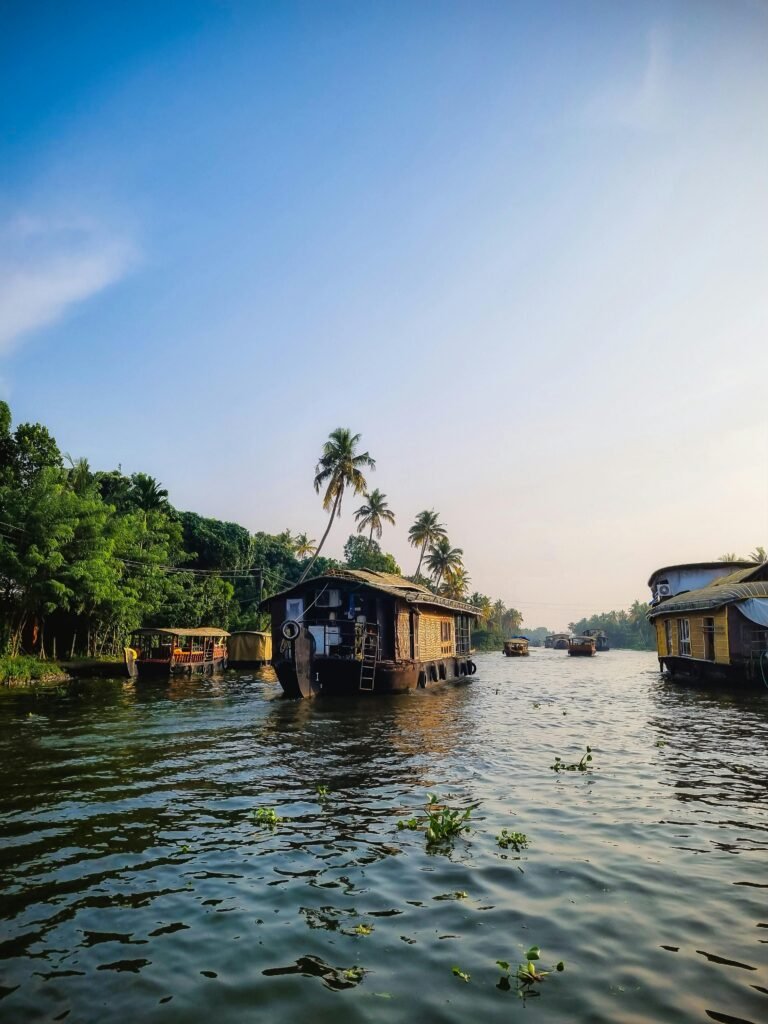
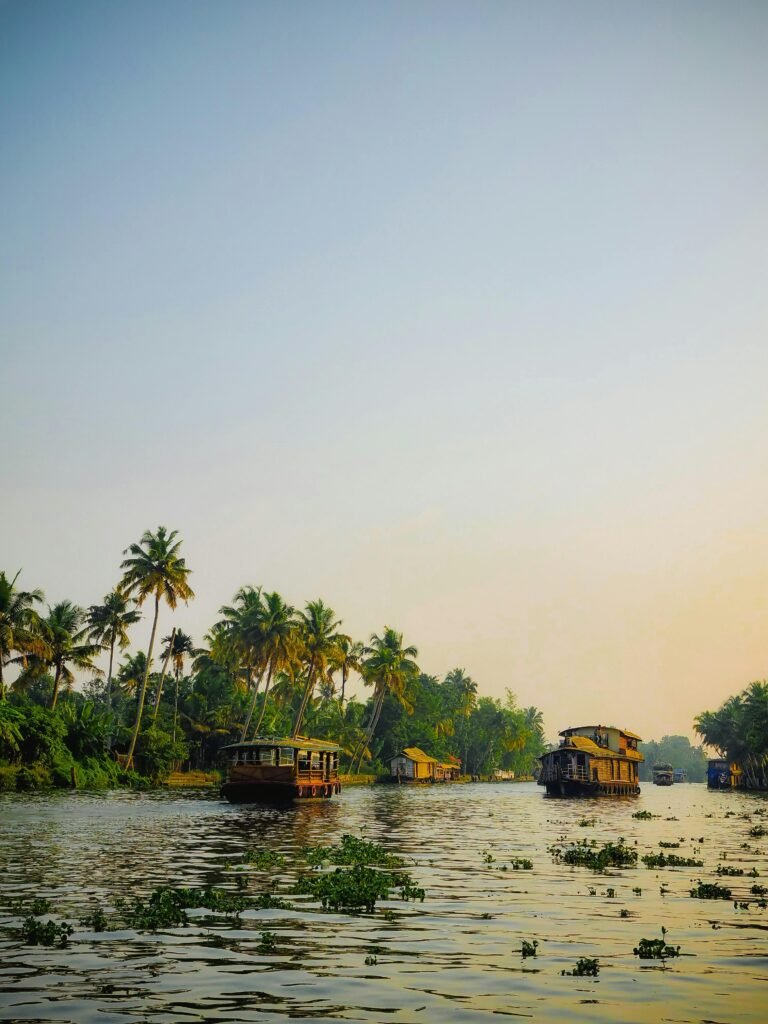
Alappuzha Alappuzha Travel Guide 2026 — Backwaters, Houseboats & What Nobody Tells You Planning a trip to Alappuzha? Here is everything — houseboats, Shikara rides, beaches, food, best time to go and what to actually expect on the backwaters. Everyone has seen the photograph. A wooden houseboat moving slowly through a green canal, coconut palms reflected in still water, absolute silence except for the occasional bird. That photograph is of Alappuzha — and the good news is that it is accurate. The less-discussed part is that Alappuzha requires a little navigation to get the most out of it. Because it is Kerala’s most visited backwater destination, it has also become one of its most commercially layered ones. The difference between a genuine backwater experience and a disappointing one often comes down to knowing what to choose, what to skip, and when to go. This guide covers all of that honestly. Enquire Now Tours & Packages Blog1 Destinations Packages Munnar & Alleppey 3 Night, 4 Days Munnar & Alleppey 3 Night 4 Days 2 Pax Itinerary Day 1: Cochin to Munnar Pick up and proceed to… Kerala Tour Package: 7-nights, 8-days  8-Day Enchanting Kerala Escape Itinerary Day 1: Arrival at Cochin Pick up at cochin, visit Dutch palace, Jewish synagogue, chinese… Kerala Tour Package: 5-nights, 6-days 6-Day Enchanting Kerala Escape Itinerary Day 1: Arrival at Cochin Pick-up: Cochin Airport / Railway Station Proceed to hotel check-in… Alappuzha Highlights Alleppey Backwaters: The hub for houseboat cruises. Pathiramanal Island A bird watcher’s paradise on Vembanad Lake. Krishnapuram Palace 18th-century palace with Kerala murals. Kuttanad “The Rice Bowl of Kerala” (farming below sea level). Alappuzha Beach Historic pier and lighthouse. Punnamada Lake Site of the Nehru Trophy Boat Race. Marari Beach Pristine white sand and quiet resorts. Ambalappuzha Krishna Temple Famous for its “Palpayasam.” Why Alappuzha Is Different From Every Other Kerala Destination Munnar gives you altitude and scenery. Thekkady gives you wildlife. Cochin gives you history. Alappuzha gives you stillness — and that is harder to find than you might think in a busy travel year. The backwater network here covers over 1,500 kilometres of interconnected canals, rivers, lakes, and lagoons. Vembanad Lake — the longest lake in India at 96 kilometres — forms the geographic heart of it. The landscape is almost entirely flat, which means the sky dominates. At dawn and dusk, the light on the water here is extraordinary in a way that photographs only partially capture. Beyond the backwaters, Alappuzha also has a beach, a historic pier, a significant coir industry, and an annual snake boat race that draws hundreds of thousands of spectators. In other words, it is more than one thing — which is why it sustains interest even for those who have visited before. The Houseboat Question — What You Actually Need to Know The houseboat is the centrepiece of an Alappuzha trip for most visitors. However, because houseboats range enormously in quality, price, and experience, it is worth understanding what you are choosing before you book. What a standard houseboat includes: A bedroom (or multiple bedrooms on larger boats), an attached bathroom, a sit-out deck at the front, a kitchen on board, and a crew of two — typically a captain and a cook. Meals are prepared fresh on board, usually Kerala-style fish curry, rice, and vegetables. The check-in and check-out rhythm: Most houseboats check in around noon and check out by 9 AM the next morning. That gives you roughly 21 hours on the water — an afternoon cruise, a moored night on the backwaters, and a morning cruise before check-out. Where houseboats are allowed to go: This is the part most brochures skip. Kerala’s waterway authority restricts houseboat movement after dark. By around 5:30–6 PM, houseboats moor at designated spots along the canal. This means your evening and night are spent stationary — not moving through waterways. The mooring spots vary in quality. Some are quiet and genuinely beautiful. Others are crowded with 20 other houseboats side by side. What this means for you: The experience of being on the backwaters at dawn — before other boats are moving, when mist sits on the water and birds are active — is as good as the photographs suggest. However, the mooring situation is variable. Ask your operator specifically where they typically moor before booking. Shikara vs houseboat: A Shikara is a small, canopied wooden rowboat — quieter, more manoeuvrable, and able to enter narrow channels that houseboats cannot reach. A 2–3 hour Shikara ride covers the most intimate parts of the backwater network. For travellers on a shorter itinerary, a Shikara ride often delivers more genuine backwater character per hour than a full houseboat overnight. In our Kerala 5 Nights 6 Days package, Alappuzha is covered with a Shikara backwater ride as part of Day 5. Our 3 Nights 4 Days Munnar & Alleppey package includes the full overnight houseboat experience. View packages → https://bestkeralatourpackages.com/trips/ Vembanad Lake — The Water That Makes Alappuzha Work Everything in Alappuzha connects, eventually, to Vembanad Lake. At 96 kilometres long and covering over 2,000 square kilometres, it is the largest lake in Kerala and the longest in India. The lake separates Alappuzha from Kumarakom across the water and forms the central body that most houseboats navigate. In the early morning, Vembanad is remarkable. Fishing canoes move across it in the half-light. Birds — egrets, cormorants, kingfishers — work the shallows systematically. The horizon is wide and uninterrupted in a way that the narrower canals are not. The Nehru Trophy Boat Race, held on Vembanad Lake every August on the second Saturday, is one of the most spectacular sporting events in India. Snake boats — traditional war canoes up to 130 feet long, rowed by over 100 oarsmen each — race across the lake while thousands watch from the banks. The event is genuinely extraordinary. However, Alappuzha becomes extremely crowded during this period, and accommodation prices spike significantly. Book months in advance if this is your purpose. Alappuzha

Scroll to Top