Munnar & Alleppey 3 Night 4 Days 2 Pax Itinerary Day 1: Cochin to Munnar Pick up and proceed to...
Most Kerala itineraries stop at Kozhikode. That is understandable — Kozhikode is where the Malabar coast becomes most accessible and most discussed. However, continuing north from Kozhikode into Kannur and then into Kasaragod takes you into a part of Kerala that operates at an older frequency entirely.
Kannur is the district where Theyyam — one of the most extraordinary ritual performance traditions in Asia — is not a cultural show staged for visitors but a living religious practice that happens in temple compounds across the district from October to May each year. It is also a district of handloom weavers, cashew factories, Portuguese forts, and a coastline that remains significantly less visited than the beaches of southern Kerala.
Kasaragod, directly north of Kannur and bordering Karnataka, is the last district of Kerala. It is also, in many ways, the most diverse — linguistically, culturally, and geographically. Four languages are spoken here as mother tongues. The food reflects both Kerala and Karnataka influence. And at its northern edge, the Bekal Fort sits on a headland above the Arabian Sea in what is arguably the most dramatic fort setting in Kerala.
Munnar & Alleppey 3 Night 4 Days 2 Pax Itinerary Day 1: Cochin to Munnar Pick up and proceed to...
8-Day Enchanting Kerala Escape Itinerary Day 1: Arrival at Cochin Pick up at cochin, visit Dutch palace, Jewish synagogue, chinese...
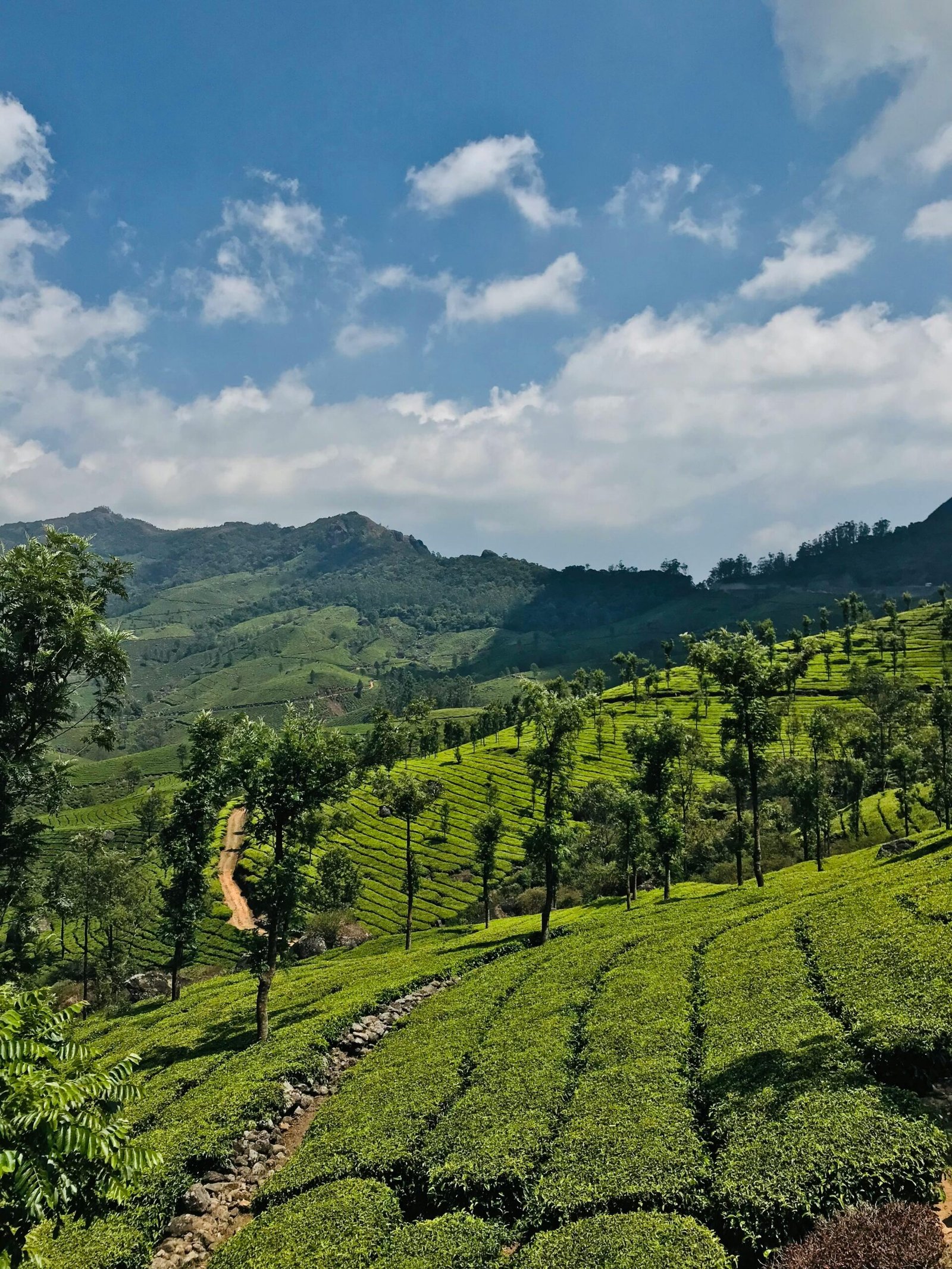
6-Day Enchanting Kerala Escape Itinerary Day 1: Arrival at Cochin Pick-up: Cochin Airport / Railway Station Proceed to hotel check-in...
Asia’s longest drive-in beach.
Known for Theyyam rituals.
Grasslands and shola forests (trekking).
17th-century fort with views of the river and sea.
Massive seaside fort in Kannur.
Northernmost sanctuary in Kerala.
Pristine, non-commercial water stretch.
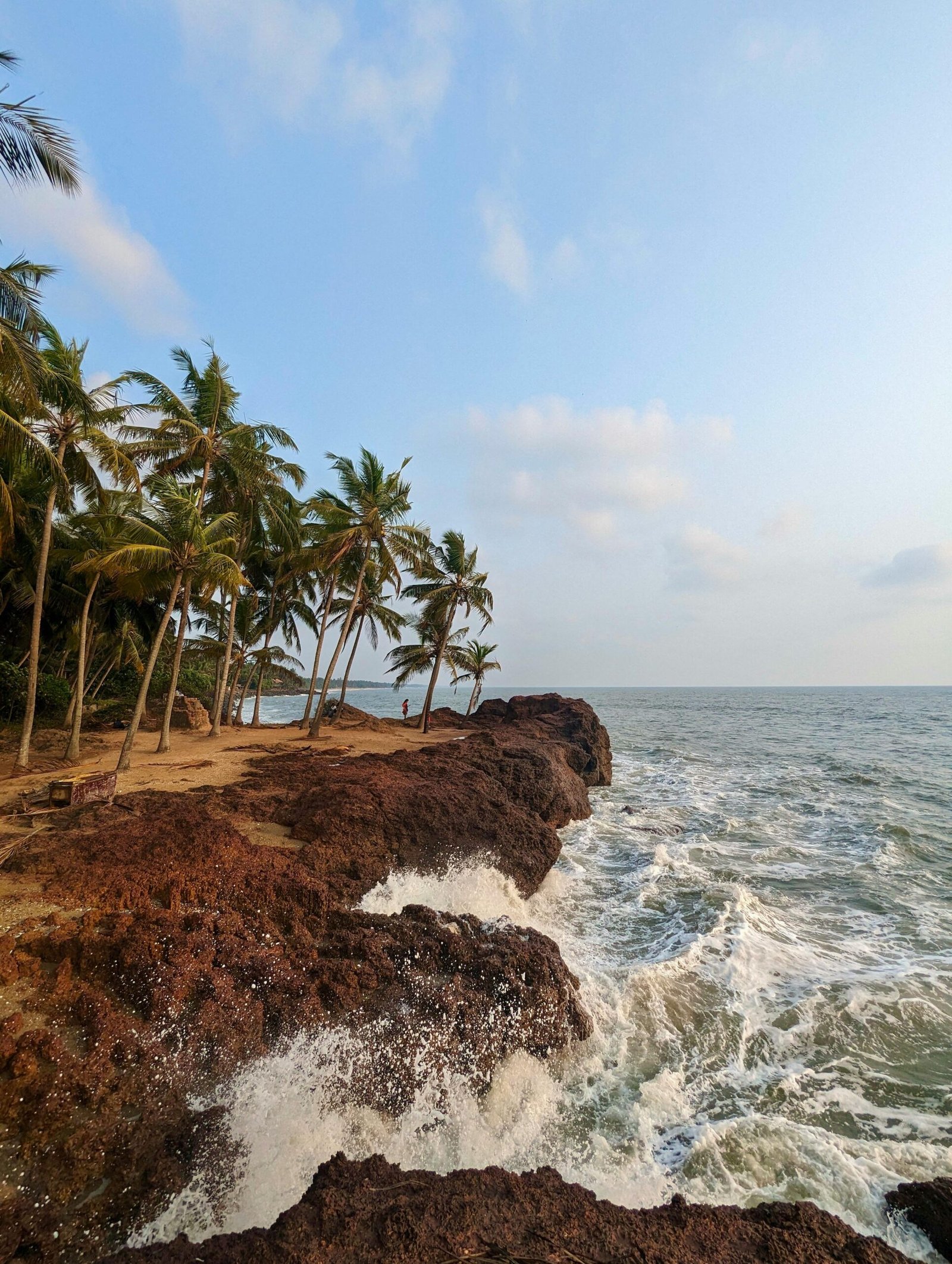
Beautifully landscaped town beach.
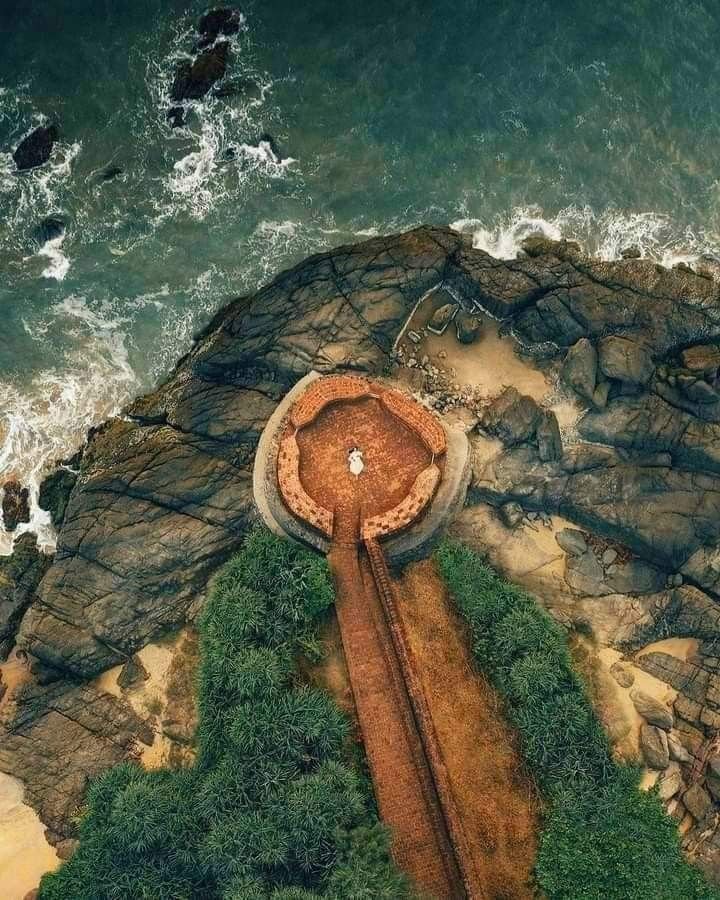
Most iconic, giant keyhole-shaped fort.
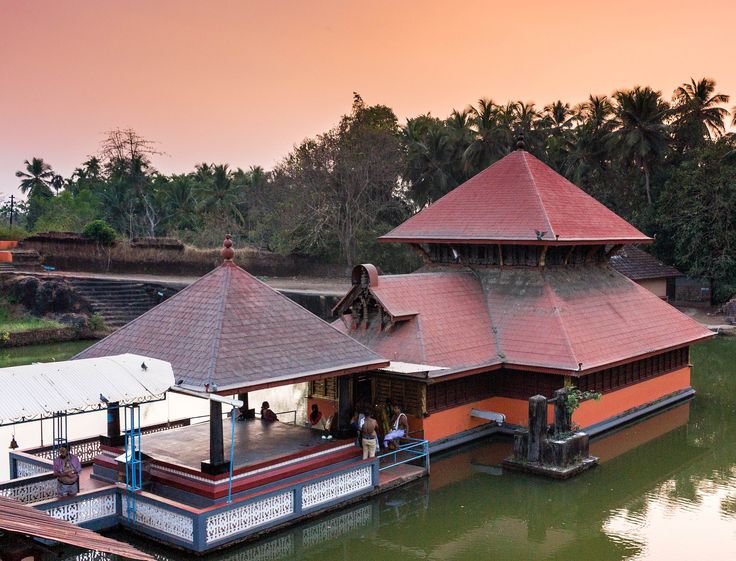
Ancient temple in the middle of a lake.
Kannur (also called Cannanore) was historically one of the most strategically important ports on the Malabar coast. The Portuguese recognised this immediately and built St. Angelo Fort here in 1505 — just seven years after Vasco da Gama’s first landing at Kappad. The Dutch took the fort in 1663. The British acquired it in 1790. Each colonial power recognised what the Kolathiri kings before them had already established — that Kannur controlled the northern Malabar trade corridor.
That layered history gives Kannur a character different from both Kozhikode to the south and Kasaragod to the north. It is a district that has been contested, traded, and shaped by external forces for centuries — and has consequently developed a cultural identity that is assertively its own.
Above all, that identity is expressed through Theyyam. Understanding Theyyam before you arrive in Kannur is therefore not optional — it is essential to understanding the district itself.
Theyyam is the most important thing about Kannur. Nothing else in the district — or arguably in all of north Kerala — comes close to it in cultural significance, visual impact, or sheer experiential power.
To describe Theyyam simply: it is a ritual performance tradition in which the performer, after hours of elaborate costume and makeup preparation, embodies a specific deity or ancestor spirit. The transformation is considered literal by the community — the performer is not acting the deity but becoming the deity. Devotees seek blessings directly from the performer during the ritual. The entire community participates.
However, that description does not capture what it is actually like to witness. The costumes — built over wooden frames, covered in leaves, flowers, mirrors, and elaborate headgear that can stand three metres tall — are among the most extraordinary ceremonial objects in Asia. The performance involves fire, percussion, trance states, and a direct engagement with the audience that has no equivalent in any theatre or festival tradition in India.
There are over 400 distinct Theyyam forms, each with its own deity, costume, ritual sequence, and associated community. The performances happen in temple compounds called kavu — small forest shrines — across Kannur and the northern Kasaragod area. They are open to all, regardless of religion or background. Entry is free. Photography is generally permitted from a respectful distance.
When does Theyyam happen? The season runs from October to May, with the peak between December and February. Performances happen on specific dates determined by the temple calendar — not on a regular schedule. Therefore, finding out which kavu is performing on the days you are in Kannur requires local knowledge or a reliable local contact.
How to find Theyyam performances: The most reliable method is asking your homestay host or hotel. Most accommodation providers in Kannur can tell you about performances within driving distance. Alternatively, the Kannur District Tourism Promotion Council maintains a schedule during peak season. Several local guides specialise specifically in Theyyam access — they know which performances are happening, how to reach the kavu, and the protocols for respectful observation.
Most importantly: do not treat Theyyam as entertainment. It is a religious event that happens to be visually extraordinary. Observe quietly, dress modestly, and follow the lead of the community around you. Given that approach, the welcome is genuine and consistent.
Built by the Portuguese in 1505 on a laterite headland above Mappila Bay, St. Angelo Fort is one of the best-preserved colonial forts in Kerala. The Portuguese held it for 158 years before the Dutch arrived. The Dutch held it for 127 years. The British held it for over a century after that. Each era left something visible in the structure.
The fort is compact and walkable in about 45 minutes. However, the views from the ramparts — the bay to the south, the Arabian Sea to the west, the town of Kannur behind it — justify more time than the circuit requires. The laterite walls have aged into a deep ochre that photographs remarkably in the morning and evening light.
Because St. Angelo Fort sits within an active Indian Navy installation, access is occasionally restricted. The public section is generally open and freely accessible. Check locally before planning your visit around a specific time.
The fishing harbour below the fort — Mappila Bay Harbour — is active from before dawn. The fish auction as the boats return in the early morning is worth combining with a fort visit if you are willing to be at the waterfront by 6 AM.
Fourteen kilometres south of Kannur town is Muzhappilangad Beach — a 4-kilometre stretch of hard-packed sand that is the only drive-in beach in Asia. Vehicles can drive directly onto the beach and park at the water’s edge.
However, the drive-in aspect is not the main reason to visit. The beach itself is one of the finest on the Malabar coast — wide, clean, with calm waters that are safer for swimming than many other Kerala beaches. The hard sand means it is also excellent for cycling — several operators near the beach offer bicycle rentals for rides along the shore.
The Rocky Island visible from the beach is reachable by wading during low tide. The rock pools on the island hold sea anemones, small crabs, and the kind of tidal life that occupies children and adults equally. In addition, sunset from Muzhappilangad, with the tide coming in and the light flattening across the wet sand, is one of the more quietly beautiful coastal moments available in north Kerala.
Muzhappilangad is popular with locals on weekends and therefore busier than its relative obscurity might suggest. Visiting on a weekday morning gives the full beach almost entirely to yourself.
Fifteen kilometres north of Kannur town, where the Valapattanam River bends through forest, is the Parassinikadavu Sri Muthappan Temple — one of the most unusual and most visited temples in north Kerala.
What makes Parassinikadavu distinctive is that the deity here — Muthappan — is worshipped not through the standard Kerala Hindu ritual but through a Theyyam performance that happens twice daily, every single day of the year. The morning and evening Muthappan Theyyam are not seasonal festivals — they are the permanent daily ritual of this temple.
Furthermore, Muthappan is a deity who accepts offerings of toddy and dried fish — unusual in any Hindu temple context. The atmosphere at Parassinikadavu is consequently more open and more inclusive than most temple spaces in Kerala. People of all backgrounds attend the daily Theyyam without restriction.
The boat service across the Valapattanam River to reach the temple is part of the experience. The river setting — the temple visible from the water, the forest behind it, the early morning light on the surface — is one of those arrivals that sets the tone for what follows.
Kannur is the handloom weaving capital of Kerala. The district produces bed linen, curtains, and furnishing fabrics that are exported to Europe, the United States, and Japan — internationally known under the brand identity of “Kannur handlooms” even when that name is not explicitly used by the buyers.
The weaving tradition here is centuries old, concentrated primarily in the communities around Kannur town and the surrounding villages. Several weaving cooperatives and individual workshops accept visitors and allow observation of the working looms.
What is worth seeing is the contrast between traditional pit looms — where the weaver sits in a depression in the floor, feet operating the treadles, hands throwing the shuttle in a rhythm that produces about 5 metres of fabric per day — and the more modern power looms that have taken over production in many workshops. The traditional pit loom weavers are fewer now, which makes finding and observing them more worthwhile while they remain.
Buying directly from a weaving cooperative — bed linen, table runners, cushion covers — at Kannur is significantly cheaper and more authentic than buying the same products from a tourist shop in Cochin or a brand outlet elsewhere. The quality is identical. The price difference is substantial.
Thirty kilometres south of Kannur town is Thalassery — a former British East India Company trading post that holds two distinctions unusual for a small Indian coastal town.
First, it is widely credited as the place where cricket was first introduced to Kerala — brought by British merchants in the 19th century and adopted with an enthusiasm that made Thalassery one of the early centres of the game in South India.
Second, it is the origin of Malabar plum cake — a densely fruited, rum-soaked cake that is made here by bakeries that have been producing it for generations using recipes developed during the colonial period. The Mambally Royal Biscuit Factory, established in 1880, is the most historically significant of these and still operates. The plum cake produced here has become a significant Christmas gift tradition across Kerala.
Beyond those two curiosities, Thalassery Fort — built by the British East India Company in 1708 — is a compact but interesting heritage site above the town. The Odathil Palli mosque nearby, built in an unusual combination of Kerala and Mughal architectural styles, is worth pausing at.
In addition, Thalassery is known for Thalassery Biryani — the specific north Kerala biryani style that uses kaima rice and is different from both the Kozhikode Malabar version and the biryanis of southern Kerala. The best versions are at small Muslim eateries in the old town.
Cross north from Kannur into Kasaragod and something shifts immediately. Malayalam continues — but alongside it, you hear Tulu, Kannada, and Beary (a language specific to the Muslim communities of coastal Karnataka and Kasaragod) in the markets, the tea shops, and the streets.
Kasaragod is Kerala’s northernmost district and its most linguistically diverse. The Karnataka border runs along its eastern and northern edges. The food, the architecture, the festivals, and the daily culture in many parts of the district are as much Karnataka as they are Kerala.
This gives Kasaragod a crossroads quality that is fascinating to move through. A meal in Kasaragod town might be served in the Udupi style — coconut-heavy, vegetarian, on a banana leaf — in a restaurant run by a Tulu-speaking family whose grandparents moved here from coastal Karnataka. That overlap and blending of traditions is not confusion — it is the product of centuries of coast-and-trade culture that predates any state boundary.
Sixteen kilometres from Kasaragod town, on a laterite headland that juts into the Arabian Sea, is Bekal Fort — the largest fort in Kerala and, by almost any measure, the most dramatically situated.
The fort is keyhole-shaped, built in the 17th century by Shivappa Nayaka of the Keladi kingdom and subsequently held by Hyder Ali, Tipu Sultan, and finally the British. What makes it extraordinary is not primarily the fort architecture — though the observation tower, the tunnels, and the bastions are all intact and explorable — but the setting.
Standing on the seaward bastion of Bekal Fort, the Arabian Sea fills the horizon in three directions. The beach stretches north and south below the walls. The laterite rock drops sharply into the water on the seaward side. Consequently, the view from Bekal at any time of day is exceptional — but at sunset, when the light on the sea turns the laterite walls gold and the fishing boats are returning to the beach below, it becomes one of the genuinely memorable visual experiences in Kerala.
The fort grounds are well maintained by the Archaeological Survey of India. Entry fee is nominal. The complex can be explored in about an hour. However, the tendency to rush through to the main viewpoint and leave misses the tunnels, the magazine, and the smaller bastions on the landward side that give the fort its historical texture.
Bekal Beach immediately north of the fort is one of the cleanest and least commercialised beaches in Kerala. Because it sits within a tourism development zone that has restricted unplanned construction, it has retained a quality that beaches in more visited areas have lost.
Two kilometres north of Bekal Fort, the Kappil Lake and estuary create one of Kasaragod’s most pleasant landscapes. The lake is a large brackish body of water separated from the sea by a narrow strip of beach — the classic Kerala backwater-beach combination that appears at Cherai in Ernakulam and Poovar near Thiruvananthapuram but with a northern character that is distinctly its own.
Boat rides on Kappil Lake, particularly in the evening when the light changes across the water, are unhurried and genuinely scenic. The estuary mouth — where the lake drains into the sea — can be observed from the beach strip where, on some days, the channel runs clear enough to see the tidal current shifting direction.
Because Kappil and the Bekal area sit within a designated tourism development zone, the infrastructure here is better maintained than in many other north Kerala coastal areas. However, that development has been relatively controlled — there are no large commercial hotel strips immediately adjacent to the fort or the beach, which preserves the quality of both.
Sixty kilometres east of Kasaragod town, at an altitude of 750 metres in the Brahmagiri Hills, is Ranipuram — a small hill station that most visitors to Kasaragod never reach and most people outside Kerala have never heard of.
The landscape at Ranipuram combines forest, open grassland, and views across the Brahmagiri range into Karnataka. The trekking trail to the Ranipuram summit takes about 2 hours each way through forest that is part of the larger Brahmagiri Wildlife Sanctuary corridor.
Because Ranipuram sees very few visitors compared to Wayanad or Munnar, the forest here is relatively undisturbed. Wildlife encounters on the trail — particularly birds, giant squirrels, and occasional elephant signs — are consistent. The grassland sections near the summit give wide views over the Karnataka hills that few travellers have experienced.
A Forest Department permit is required for the Ranipuram trek. The permit process is managed at the Kottampady Forest Station, about 10 kilometres before the trailhead. Go early — the trail is best between 6 and 10 AM when the mist is still in the valleys and the forest is most active.
Twenty-nine kilometres from Kasaragod town, in the village of Ananthapura, sits a temple that is unique in Kerala and rare in India. The Ananthapura Lake Temple is built on a small island in the middle of a natural lake — the only lake temple in Kerala.
The temple is dedicated to Padmanabha — the same deity worshipped at Padmanabhaswamy Temple in Thiruvananthapuram — and is considered the original source from which the Thiruvananthapuram temple tradition derives. For devotees of the Padmanabha tradition, Ananthapura is therefore the origin point.
The lake surrounding the temple is notable for a resident crocodile — locally called Babiya — that is considered sacred and has lived in the lake for as long as local memory extends. The crocodile is fed daily by the temple priests. Despite its size, it has never harmed anyone associated with the temple in recorded history. The relationship between the crocodile and the temple community is taken as evidence of the deity’s protection — and the animal’s behaviour, which is genuinely unusually calm for a large crocodile in a frequented water body, is difficult to explain away entirely.
Entry is open to Hindus for the inner sanctum. The lake surroundings and outer precincts are accessible to all. The setting — the small temple island reflected in the still lake, surrounded by coconut palms — is one of the more compositionally striking natural-heritage combinations in Kerala.
Eight kilometres from Kasaragod town, at the confluence of the Chandragiri River and the Arabian Sea, Chandragiri Fort sits on a hill that commands both the river crossing and the coast. Built in the 17th century by the Keladi Nayakas and subsequently modified by Tipu Sultan, it is smaller and less visited than Bekal but holds its own quiet significance.
The fort is reached by a short ferry crossing of the Chandragiri River — a 5-minute crossing that is itself pleasant in the early morning when the river is calm and the light is low. The fort structure is partially ruined but the river-facing bastion is intact and gives a view over the confluence and the bar where the river meets the sea.
Because Chandragiri Fort is rarely included in standard Kasaragod itineraries, it receives very few visitors on most days. Therefore, the atmosphere here is contemplative in a way that Bekal — with its organised entry and maintained grounds — cannot always match. The combination of the ferry crossing, the overgrown fort, and the river view makes it one of those visits that is consistently more memorable than its relative obscurity suggests it should be.
Kannur food sits firmly within the Malabar tradition — coconut-based, seafood-rich, and heavily influenced by the Muslim cooking tradition that has shaped north Kerala cuisine for centuries.
Thalassery Biryani is the most specific food association with the Kannur region — kaima rice, whole spices, a lighter hand with the oil than Hyderabadi versions, and a distinct cooking method that produces a biryani that is more fragrant than heavy. Eat it at a small Muslim restaurant in Thalassery or Kannur town, not at a hotel restaurant.
Malabar Parotta with Beef Curry: The layered, flaky parotta of north Kerala — made by repeatedly folding and stretching the dough before cooking — is a different thing from the parotta of southern Kerala or Tamil Nadu. With a slow-cooked beef curry that has been on the fire since morning, it is the meal most associated with Kannur’s working-class tea shop culture.
Kallummakkaya (Mussels): The mussels on the north Kerala coast are large and sweet. Kallummakkaya ularthiyathu — mussels stir-fried with coconut, shallots, and green chilli — is the preparation most specific to Kannur. Order it at a coastal restaurant where the mussels are from that morning’s collection.
Kasaragod food reflects its Karnataka border position. The Udupi vegetarian tradition — rice-based, coconut-heavy, with an emphasis on lentil preparations, pickles, and chutneys — sits alongside the Malabar Muslim cooking of the coast.
Kori Roti: A Karnataka coastal dish that has crossed into Kasaragod — crispy dried rice wafers broken into a spiced chicken curry. The curry softens the roti as it sits. It is the dish most associated with the Tulu-speaking community of Kasaragod and available at specific Karnataka-style restaurants in the district.
Neer Dosa: Thin, lacey rice crepes made from a fermented rice batter — lighter than either Kerala appam or South Indian dosa — served with coconut chutney and fish or chicken curry. This is a Tulu community staple that is found across Kasaragod and into coastal Karnataka.
| Season | Months | What to Expect |
|---|---|---|
| Peak / Best | November – February | Cool, dry, Theyyam season in full swing |
| Theyyam Peak | December – February | Highest concentration of daily performances |
| Shoulder | March – May | Warm, fewer tourists, Theyyam winding down |
| Monsoon | June – September | Heavy rain, coast is dramatic, Theyyam season closed |
| Post-monsoon | October | Fresh and green, Theyyam beginning, good value |
Worth noting: If Theyyam is your primary reason for visiting Kannur — and it should be a significant reason — the November to February window is when the most performances are happening across the most kavus. December and January are the peak months. However, October sees the season beginning and is less crowded than the December peak. Therefore, early October or late October visits balance Theyyam access with manageable tourist numbers.
Kannur by Air: Kannur International Airport opened in 2018 and is one of the newer airports in Kerala. Direct flights operate from Mumbai, Dubai, Abu Dhabi, Muscat, and Riyadh — reflecting the significant NRI population from this region. From Kozhikode airport, the drive to Kannur is approximately 90 minutes.
Kannur by Train: Kannur Railway Station is on the main Shoranur-Mangalore coastal line. Direct trains from Kozhikode take approximately 1.5 hours. From Ernakulam, approximately 5 hours. From Thiruvananthapuram, about 8 hours.
Kasaragod by Train: Kasaragod Railway Station is the northernmost station in Kerala on the coastal line. Direct trains from Kannur take approximately 1.5 hours. From Mangalore (Karnataka), approximately 1 hour.
By Road from Kozhikode: Kannur is 92 kilometres north on NH 66 — approximately 2 hours. Kasaragod is a further 100 kilometres north of Kannur — approximately 2 more hours. The NH 66 coastal highway runs the entire length and is well-maintained throughout.
By Road from Mangalore: Kasaragod is 50 kilometres south of Mangalore — approximately 1 hour. This makes Kasaragod easily accessible as an extension of a Karnataka coastal trip.
For first-time Kerala visitors, Kannur and Kasaragod work best as a northern extension after covering the standard central circuit. The natural sequence is: standard circuit (Cochin, Munnar, Thekkady, Alappuzha) → Kozhikode (2 nights) → Kannur (2 nights) → Kasaragod (1 night) → return via Mangalore or fly from Kannur airport.
For repeat Kerala visitors who have already covered the south and central circuit, the northern route — Kozhikode, Kannur, Kasaragod, Wayanad — constitutes a complete north Kerala experience that covers entirely different territory from anything in the standard packages.
Minimum recommended stay in Kannur: 2 nights. Covers St. Angelo Fort, Muzhappilangad Beach, Parassinikadavu, and at least one Theyyam performance.
Minimum recommended stay in Kasaragod: 1 night (covering Bekal Fort and Kappil) or 2 nights (adding Ananthapura Lake Temple, Chandragiri Fort, and Ranipuram).
For all current Kerala packages and custom itinerary enquiries:
View 5 Nights 6 Days Kerala Package → https://bestkeralatourpackages.com/trips/kerala-tour-package-5-nights-6-days/
View 7 Nights 8 Days Kerala Package → https://bestkeralatourpackages.com/trips/kerala-tour-package-7-nights-8-days/
View all packages → https://bestkeralatourpackages.com/trips/
Contact us for custom itineraries → https://bestkeralatourpackages.com/contact/
| Kannur | Kasaragod | |
|---|---|---|
| Best known for | Theyyam rituals, St. Angelo Fort, handloom weaving | Bekal Fort, multilingual culture, Karnataka border |
| Top attraction | Theyyam performance at a local kavu | Bekal Fort at sunset |
| Hidden gem | Parassinikadavu daily Muthappan Theyyam | Ananthapura Lake Temple with sacred crocodile |
| Best beach | Muzhappilangad drive-in beach | Bekal Beach north of the fort |
| Best time to visit | November – February (Theyyam peak) | November – February |
| Nearest airport | Kannur International Airport | Mangalore Airport (50 km) / Kannur Airport (100 km) |
| Suits | Culture seekers, ritual observers, coast lovers | Heritage travellers, fort explorers, offbeat seekers |
Ask your homestay host or hotel — most accommodation providers in Kannur can direct you to performances within driving distance. The Kannur DTPC office maintains a seasonal schedule. Several local guides specialise specifically in Theyyam access and are worth engaging for a more structured introduction to the tradition.
Yes, without hesitation. The 100-kilometre drive from Kannur takes about 2 hours on NH 66. The fort itself justifies the journey, and combining it with Kappil backwaters and Ananthapura Lake Temple makes a full day of genuinely high-quality sightseeing. Most travellers who make this drive say it is the most visually rewarding day of their north Kerala trip.
Yes — but with significant variation in density. October and November see the season beginning with fewer performances. December through February is the peak — the most performances, across the most kavus, on the most days. March through May sees the season winding down. The exact schedule is determined by the temple calendar and changes year to year.
Yes. The 100-kilometre drive on NH 66 takes about 2 hours without stops. A day trip from Kannur covering Bekal Fort, Kappil Lake, and Ananthapura is entirely feasible. However, given the quality of what Kasaragod offers, an overnight stay allows a more relaxed experience of the fort at sunset and the early morning at Kappil — both of which are significantly better than the midday versions.




Best Kerala Tour Packages is a specialized division of
Pravas Sukhacha™
Network & Ecosystem.
Pravas Sukhacha Office 201, 2nd Floor, Raigad Complex, Salatwada Main Road, Vadodara – 390001, Gujarat
Business Hours:
Monday to Saturday: 10:00 AM – 7:00 PM
Sunday: Closed
Copyright © 2026 All Right Reserved BEST KERALA TOUR PACKAGES