Ernakulam
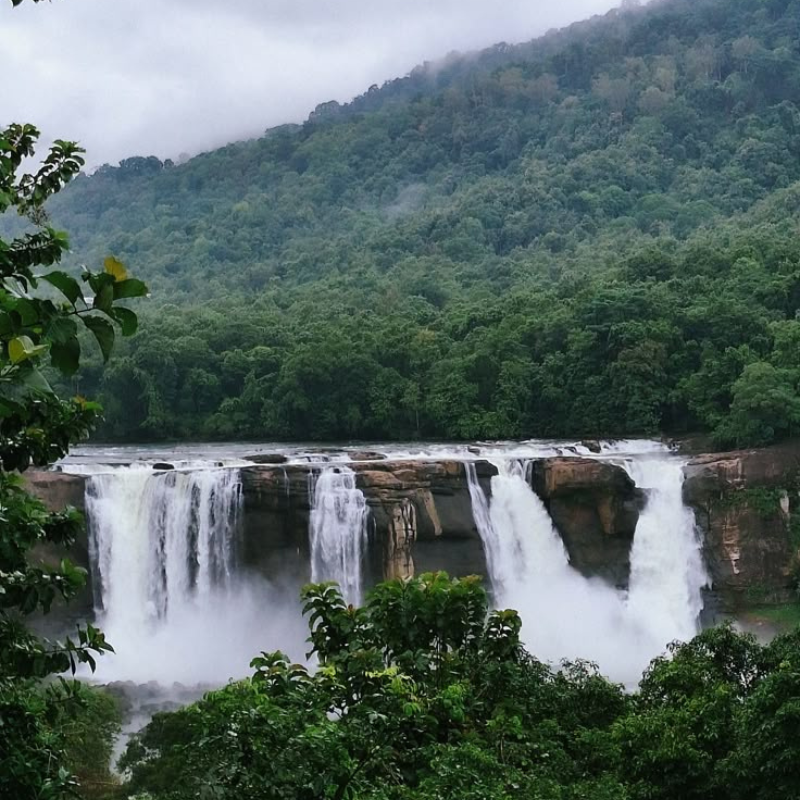
Ernakulam Ernakulam Travel Guide 2026 — Fort Kochi, Things to Do & What to See Planning a visit to Ernakulam? From Fort Kochi’s colonial lanes to Jew Town’s spice markets — here is everything you need to know before you arrive. Every Kerala tour starts in Ernakulam. That is not a coincidence — it is geography. Cochin International Airport is the state’s busiest, the railway station connects to the entire country, and the road network fans outward from here to Munnar, Alappuzha, Thekkady, and every other point on the Kerala circuit. Because of this, most travellers treat Ernakulam as a starting block rather than a destination. They land, check in, sleep, and leave the next morning. That is understandable. It is also a mistake. Ernakulam and its island extension Fort Kochi contain some of the most historically layered urban territory in South India. Jewish, Portuguese, Dutch, and British influences left buildings, streets, markets, and institutions that are still standing and still functioning. The waterfront is genuinely beautiful. The food scene is among the best in Kerala. The ferry network connecting the mainland to its islands is one of the most pleasant ways to move through any Indian city. Enquire Now Tours & Packages Blog1 Destinations Packages Munnar & Alleppey 3 Night, 4 Days Munnar & Alleppey 3 Night 4 Days 2 Pax Itinerary Day 1: Cochin to Munnar Pick up and proceed to… Kerala Tour Package: 7-nights, 8-days 8-Day Enchanting Kerala Escape Itinerary Day 1: Arrival at Cochin Pick up at cochin, visit Dutch palace, Jewish synagogue, chinese… Kerala Tour Package: 5-nights, 6-days 6-Day Enchanting Kerala Escape Itinerary Day 1: Arrival at Cochin Pick-up: Cochin Airport / Railway Station Proceed to hotel check-in… Ernakulam Highlights Fort Kochi Colonial history and Chinese fishing nets. Marine Drive City promenade with sunset views. Willingdon Island Man-made island with major port views. Thattekad Bird Sanctuary Dr. Salim Ali’s favorite birding spot. Wonderla Kochi Major theme park for families. Mattancherry Palace Dutch palace with vibrant murals. Cherai Beach Beach and backwater meeting point. Bolgatty Palace Dutch-built island palace. Athirappilly Waterfalls The massive “Niagara of India.” Paradesi Synagogue Oldest active synagogue in the Commonwealth. Hill Palace Museum Largest archaeological museum in Kerala. Kodanad Elephant Training Center River-side elephant camp. Vazhachal Falls Forest-fringed cascades near Athirappilly. Ernakulam in 2026: The Complete Guide to Kerala’s Most Connected City Ernakulam is the mainland city — the commercial centre, the railway station, the bus terminus, and the business district. Kochi (or Cochin) is the broader metropolitan area that includes Ernakulam, Fort Kochi, Mattancherry, Willingdon Island, and the surrounding islands. Cochin is the anglicised name used historically and still common in tourism marketing. Fort Kochi is the specific peninsula on the western side of the harbour that holds the colonial heritage buildings. In practice, when travellers say “Cochin” they mean the entire area. When locals say “Ernakulam” they usually mean the mainland. When anyone says “Fort Kochi” they mean the old colonial quarter. This guide uses all three names the way they are actually used — which is to say, interchangeably except where the distinction matters. Fort Kochi — The Part of the City That Changes Everything Fort Kochi is where Ernakulam stops being a transit city and becomes a destination. The peninsula sits across the harbour from the mainland, reachable by ferry in seven minutes, and it operates at a completely different tempo from the rest of the city. The streets here are narrow and mostly walkable. The buildings are Portuguese, Dutch, and British colonial — some restored, some deliberately left in their original faded state, some turned into cafes and guesthouses without losing their architectural character. Bougainvillea grows over whitewashed walls. Hand-painted signs mark art galleries that were once spice warehouses. The whole quarter has the quality of a place that became interesting before anyone decided to make it a tourist destination — which means it still feels genuine despite the visitors. A half-day walking tour of Fort Kochi covers more history per kilometre than almost any other walk in Kerala. However, the best way to experience it is without a fixed plan — arrive early, walk slowly, and let the streets lead. Chinese Fishing Nets — The Image That Defines Kerala’s Coast The Chinese fishing nets (cheena vala) at the Fort Kochi waterfront are Kerala’s most photographed landmark. They are enormous fixed cantilever nets — each one supported by a system of bamboo and teak poles, counterbalanced by large stones, and operated by a team of four or five fishermen who lower and raise them on a tidal rhythm. The nets were introduced to Kerala by traders from the court of Kublai Khan in the 13th or 14th century. That makes them one of the oldest continuously operating fishing technologies on the Kerala coast — and they still produce a catch, though the economics of maintaining them now depend partly on tourism. The best time to see them is at sunrise. The light at that hour — soft, golden, reflecting off the harbour — is why this image appears in every Kerala travel photograph ever taken. Get there before 6:30 AM and you will have relative quiet, good light, and a genuine sense of the working waterfront before the tour groups arrive. You can buy fresh fish directly from the fishermen after each haul and have it cooked immediately at one of the stalls set up just behind the nets. The fish is as fresh as fish gets. The cooking is simple — fried or grilled with minimal spicing. Eating it sitting on the harbour wall with the nets still dripping behind you is an entirely specific Kochi experience. Mattancherry Palace — The Murals That Most People Rush Past About two kilometres south of the Chinese fishing nets, on the Mattancherry waterfront, is the palace that the Portuguese built in 1555 and later gifted to the Raja of Cochin. The Dutch renovated it significantly in 1663, which is why it is also called the Dutch Palace —