Mattancherry Palace
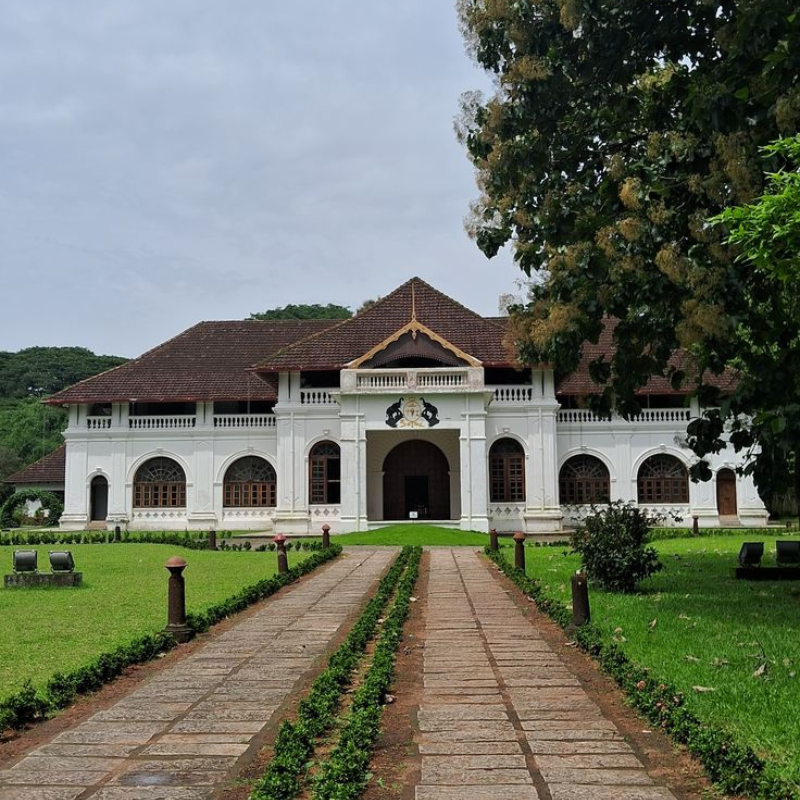
Mattancherry Palace:
Located just a short walk or auto-rickshaw ride from Fort Kochi along the waterfront of Mattancherry, the Mattancherry Palace—popularly known as the Dutch Palace—is one of the finest architectural representations of Kerala’s royal history. Built originally around 1555 by the Portuguese as a gift to King Veera Kerala Verma of the Kingdom of Cochin, the palace was intended to secure lucrative trading privileges and appease the local ruler after a nearby temple was plundered.
When the Dutch East India Company took control of the region’s spice trade in 1663, they launched extensive structural renovations and expansions, which led to its enduring nickname. Despite its colonial origins, the palace is a magnificent architectural blend, pairing a stark, European-style quadrangular exterior with a traditional, high-comfort Nalukettu (traditional Kerala courtyard mansion) interior layout. Today, it stands as a strictly protected national monument and museum, housing some of the most spectacular, well-preserved murals and royal antiquities on the Indian subcontinent.
Top Things to See & Do Inside:
Behold the World-Class Ramayana and Puranic Murals: The absolute crown jewel of a visit to the palace is its extensive galleries of 16th-to-18th-century wall paintings. Sprawling across the walls of the royal bedchamber and adjacent halls, these vibrant murals are executed in the traditional Kerala style using organic, earth-toned pigments. They depict highly detailed, expressive narratives from the Ramayana, the Mahabharata, and the Puranas, showcasing an extraordinary level of artistic mastery and classical storytelling.
Admire the Traditional Eco-Engineered Palace Flooring: As you walk through the long, airy coronation halls, take note of the unique, dark gleaming floors. While it looks like polished black marble or high-end lacquered stone, it is actually a highly specialized, traditional compound made from a mixture of burnt coconut shells, plant extracts, charcoal, egg whites, and lime. This ancestral technique created an incredibly smooth, durable surface that keeps the palace interior naturally cool during hot coastal afternoons.
Explore the Royal Portrait Gallery and Weaponry Displays: The palace museum houses an impressive, curated collection of royal artifacts belonging to the Cochin Royal Family. Visitors can walk among life-sized portraits of the Maharajas, intricately carved ivory palanquins, silver-threaded ceremonial robes, and royal umbrellas. The armory section displays a formidable array of historic weaponry, including traditional steel Kalaripayattu swords, brass-hilted daggers, and early ceremonial firearms used by the royal guard.
Stroll Through the Central Courtyard and Temple Complex: At the structural heart of the palace layout is a serene, sun-lit central courtyard built in accordance with Vastu Shastra principles. Nestled within this royal compound are three dedicated shrines, with the primary temple dedicated to Pazhayannur Bhagavathi, the protective ancestral deity of the Cochin royal house. The quiet courtyard provides a peaceful contrast to the bustling, historic trade lanes running just outside the palace gates.
View Nearby Destinations
- All Events
- Destinations