Destinations

Destinations

Kovalam Beach

Kovalam Beach Sunshine & Seafood:  Why Kovalam Beach is Still Kerala’s Ultimate Coastal EscapeBack in the 1970s, Kovalam Beach single-handedly put Kerala on the international hippie and tourism map. Fast forward to today, and it remains one of the most iconic, postcard-perfect beach destinations in South India. Located just 16 km from Thiruvananthapuram’s city center, this coastal paradise is actually made up of three distinct, crescent-shaped beaches separated by rocky outcroppings. The Three Faces of KovalamDepending on what kind of vibe you’re looking for, Kovalam has a beach tailored just for you: Lighthouse Beach: This is the buzzing heart of Kovalam. It’s famous for its red-and-white striped working lighthouse standing tall on a rocky cape. You can actually climb to the top for a mind-boggling panoramic view of the Arabian Sea. The beach strip here is packed with lively open-air seafood restaurants, surf shops, and cafes. Hawah Beach: Located just next door, this beach is historically famous as India’s first topless beach (though that’s a thing of the past now!). Today, it’s a beautiful, slightly quieter stretch where you can watch local fishermen hauling in their nets early in the morning. Samudra Beach: If you want to escape the tourist crowds completely, head north to Samudra Beach. It’s local, peaceful, and perfect for watching the waves crash against the rocks in relative solitude. Things to Do Around the ShoreAside from sunbathing and swimming, make sure to check out the Vizhinjam Marine Aquarium near the southern end to see some unique marine life. You can also get a glimpse of the massive, newly built Vizhinjam International Seaport, which is a total game-changer for the region’s infrastructure. Whether you’re staying for a week of Ayurvedic rejuvenation or just stopping by for a sunset dinner, Kovalam never disappoints! View Neaby Destinations :-  Destination 1 View More Destination 2 View more Destination 3 View More
Destinations

Padmanabhaswamy Temple

Padmanabhaswamy Temple Exploring the Mystery of Padmanabhaswamy Temple: The World’s Richest Shrine If you’re planning a trip to Kerala, the Padmanabhaswamy Temple in Thiruvananthapuram isn’t just a place to visit—it’s the literal reason the city exists! In fact, the name Thiruvananthapuram translates to “the abode of the sacred serpent of Lord Vishnu.” As the spiritual heart of the city for over a thousand years, this architectural marvel is wrapped in ancient mystery, unimaginable wealth, and deep devotion. The Mind-Blowing ArchitectureThe very first thing that will catch your eye is the massive, seven-storey gopuram (entrance tower). It’s a gorgeous blend of indigenous Kerala design and grand Dravidian styles, covered in intricate sculptures that deserve a closer look. Inside the inner sanctum, you’ll find a breathtaking 5.5-meter idol of Lord Vishnu reclining on the serpent Anantha. Interestingly, the idol is crafted from a special herbal mixture called Katusarkara Yogam and can only be fully viewed by looking through three separate doors side-by-side. What You Need to Know Before Visiting (Dress Code & Timings)Because it is a highly sacred space, entry is strictly restricted to Hindus, and a traditional dress code is heavily enforced: Men: Must wear a dhoti or mundu (you can easily rent or buy one right outside). Upper body should be bare or covered with a vesthi. Women: Must wear a saree, set-mundu, or a traditional salwar kameez (no jeans or western clothes allowed). Pro Tip: The temple doors open as early as 3:30 AM for morning rituals, with general darshan happening throughout the day until 7:00 PM (with midday closures). Line ups can get insanely long by 8:00 AM, so definitely aim for an early morning visit! The Secret Vaults and Hidden TreasuresA few years ago, the temple made headlines across the globe when secret underground vaults were opened, revealing an astronomical collection of gold, diamonds, precious gems, and historic artifacts. It is now widely recognized as one of the richest religious institutions in the entire world. While those vaults remain safely locked away from public eye, the mystical energy of the temple is something you can absolutely feel the moment you step inside. Nearby Destinations :-  Nearby Destinations View Nearby Destination 2 View More Neaby Destination 3 View Moe

Kuruva Island Bamboo Rafting
Destinations

Kuruva Island

Kuruva Island Kuruva Island: Spanning roughly 950 acres, Kuruva Island is a protected, uninhabited river delta consisting of a cluster of densely forested islets in the middle of the Kabini River. Located in the Wayanad district, it is one of the most ecologically sensitive and visually stunning forest zones in Kerala. Unlike typical hill stations, Kuruva is a flat, marshy rainforest ecosystem featuring rare species of orchids, medicinal herbs, and massive trees, all surrounded by the calm, sprawling waters of the Kabini. The island is a haven for migratory birds and is exceptionally quiet, with no motorized transport allowed. It is managed by the Kerala Forest Department to ensure strict conservation, making it a perfect spot for nature enthusiasts, photographers, and those looking to experience the raw, untamed biodiversity of the Western Ghats river system. Top Things to See & Do Inside: Bamboo Raft Journeys: The primary way to reach the island is by traditional bamboo rafts or small fiber boats operated by the local forest department. The ride itself—drifting slowly across the emerald-green river—is an incredibly peaceful experience and often the best time to spot birds. Nature Trails & Forest Walkways: Once on the island, you can explore the dense forest via designated, unpaved walking paths. These trails weave through towering evergreen trees, over naturally formed wooden bridges, and past giant, tangled root systems that look like something out of a jungle fantasy novel. Birdwatching Paradise: Because the island is protected and quiet, it is one of the best places in Wayanad to spot rare bird species, including hornbills, egrets, and various colorful woodpeckers. Bring binoculars if you are an avid birdwatcher. The “Kuruva Experience”: The atmosphere here is one of total stillness, broken only by the sound of the flowing river and the canopy overhead. It is a place meant for slow walking and careful observation rather than high-intensity activity. View Nearby Destinations All Events Destinations Kuruva Island Kottakkal Arya Vaidya Sala Beypore Kappad Beach Kozhikode Beach Pathiramanal Island Load More End of Content.

Aerial view of the map-shaped Pookode Lake surrounded by emerald hills.
Destinations

Pookode Lake

Pookode Lake Pookode Lake: Nestled in the lush, rolling hills of the Western Ghats near Vythiri, Pookode Lake is a natural, perennial freshwater lake and a hallmark of Wayanad’s eco-tourism. This enchanting, bell-shaped waterbody is cradled by thick, evergreen shola forests and gentle mountain slopes. It is one of the highest-altitude freshwater lakes in India and is renowned for its crystalline waters, calm atmosphere, and status as a critical nursery for the native Pterocarpus marsupium (a rare species of trees locally known as Venga). The lake is a masterpiece of biodiversity. Its pristine, quiet surface reflects the dense canopy surrounding it, and it is a popular refuge for migratory birds, blue lotus flowers, and colorful freshwater fish. Managed by the District Tourism Promotion Council (DTPC), the area offers a peaceful, family-friendly escape that balances natural conservation with structured recreational activities. Top Highlights & Activities: Boating on the Lake: The most popular way to experience the tranquility of Pookode is by renting a pedal boat or a rowing boat. Drifting quietly over the clear water allows you to observe the rich aquatic life and get closer to the lotus-covered edges of the lake. The Circular Nature Walk: A well-paved, 3-kilometer walkway encircles the entire lake. It’s a gentle, scenic trek that takes you through diverse forest patches, offering plenty of spots to pause, breathe in the fresh, mountain-scented air, and photograph the changing light on the water. Children’s Park & Aquarium: Near the entrance, there is a dedicated children’s play area and a small aquarium showcasing some of the freshwater fish species native to the Western Ghats. It’s an ideal stop for families traveling with younger children. Handicraft & Spice Emporiums: The lake complex features a small shopping zone where visitors can browse and buy authentic Wayanad spices (like black pepper, cardamom, and clove), honey, and traditional handicrafts made by local tribal artisan cooperatives. View Nearby Destinations All Events Destinations Pookode Lake Kottakkal Arya Vaidya Sala Beypore Kappad Beach Kozhikode Beach Pathiramanal Island Load More End of Content.

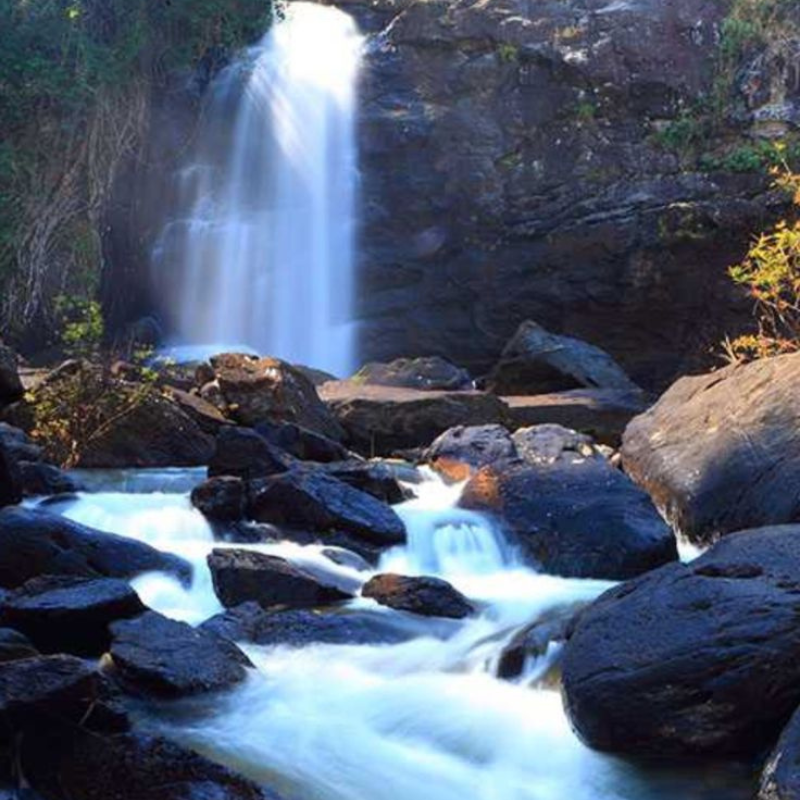
A powerful three-layered waterfall descending into a pool at Soochipara.
Destinations

Soochipara Falls

Soochipara Falls Soochipara Falls: Deep within the Vellarimala mountain range near Meppadi, Soochipara Waterfalls—also famously known as the Sentinel Rock Waterfalls—is one of Wayanad’s most majestic natural spectacles. The name Soochipara is a compound of the Malayalam words for “needle” (soochi) and “rock” (para), a direct reference to the sharp, needle-like granite crags that frame the spectacular triple-tiered drop. The water plunges from a staggering height of 200 meters into a large, crystal-clear pool at the base. Surrounded by dense, evergreen shola forests, the entire area acts as a cool, misty sanctuary. It is a premier destination for nature lovers who appreciate the dramatic scale of the Western Ghats, blending a moderate forest trek with the raw, thundering power of a high-altitude cascade. Top Things to See & Do Inside: The Dramatic Triple-Tiered Plunge: Unlike singular falls, Soochipara presents a grand, three-tiered cascade. From the viewing platform, visitors get a mesmerizing perspective of the water crashing down the sheer cliff face, creating a constant, refreshing mist that blankets the forest canopy below. The Lush Forest Descent: Reaching the base of the falls involves a moderate, 2-kilometer trek through beautiful, shaded forest trails. Walking through the canopy, you pass by giant ferns, towering rosewood trees, and native birdlife. The trek is well-maintained with stone-cut stairs, making it accessible for families and casual hikers. The Refreshing Base Pool: The massive natural pool at the base is a favorite spot for travelers to sit and cool off. While swimming in the deeper sections is often restricted due to safety and depth, the shallow rock-side areas provide a perfect place to dip your feet in the icy, mountain-fed currents after the hike down. Adventure & Photography: The surrounding cliffs are popular among rock climbing enthusiasts (with prior permission). For photographers, the viewing decks provide excellent angles for capturing the falls against the backdrop of the rugged, cliff-crowned mountains. View Nearby Destinations All Events Destinations Soochipara Falls Kottakkal Arya Vaidya Sala Beypore Kappad Beach Kozhikode Beach Pathiramanal Island Load More End of Content.

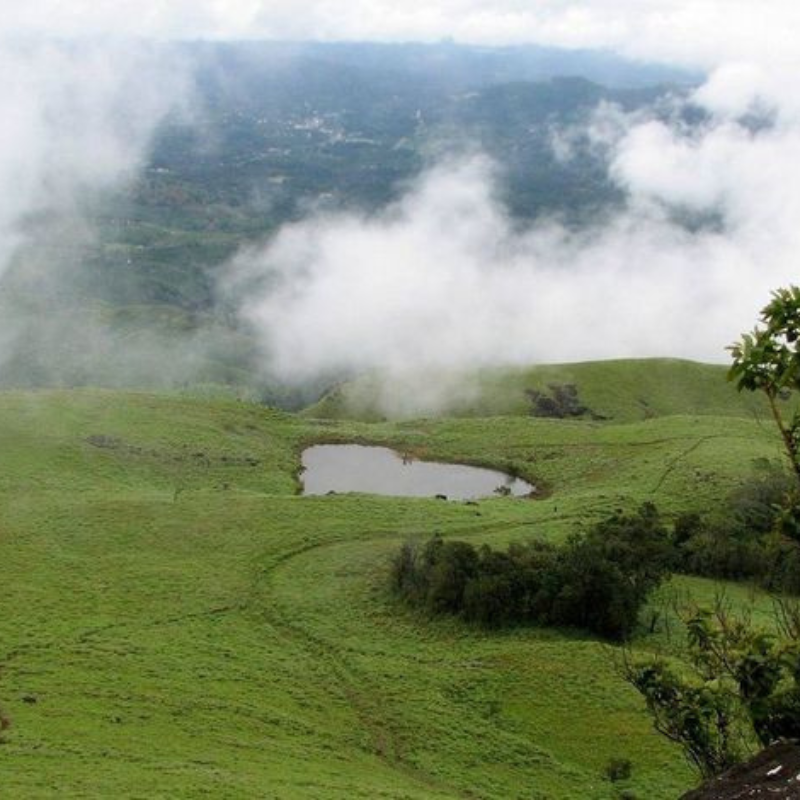
Panoramic view of the perennial heart-shaped lake on the way to Chembra Peak.
Destinations

Chembra Peak

Chembra Peak Chembra Peak: Rising majestically to an elevation of approximately 2,100 meters (roughly 6,900 feet) above sea level, Chembra is the highest peak in the Wayanad district and a premier destination for high-altitude trekkers. Nestled near Meppadi, this formidable mountain is part of the Wayanad hill ranges in the Western Ghats and is globally famous for its breathtaking, panoramic ridgeline views and the legendary “Heart Lake” (Hridayasaras) located roughly halfway to the summit. The peak offers a quintessential high-range trekking experience. The trail winds through dense, mist-covered shola forests, expansive tea plantations, and steep, grassy alpine meadows that are often shrouded in thick clouds. It is a sanctuary for biodiversity, serving as an important part of the ecological corridor for Nilgiri tahr, sambar deer, and a variety of colorful mountain bird species. Top Things to See & Do Inside: The Heart-Shaped Lake Trek: The most iconic feature of the Chembra trek is the stunning, naturally heart-shaped freshwater lake situated on the plateau midway to the peak. It is believed that the lake never dries up throughout the year. It provides an incredible natural backdrop for photography and serves as a primary rest stop for hikers before they push toward the summit. The High-Altitude Summit Challenge: Climbing to the peak is a demanding, moderate-to-difficult forest trek. Hikers are required to navigate steep, undulating terrain that tests both stamina and gear. Reaching the summit rewards you with an unfiltered, 360-degree bird’s-eye view of the entire Wayanad plateau, the surrounding forest reserves, and on clear days, even glimpses of the distant coastal plains. Tea Plantation Vistas: The base of the trek begins at the edge of lush, rolling tea estates managed by the Harrisons Malayalam group. The walk through these orderly, emerald-green rows creates a beautiful transition from human-managed agrarian landscapes to the wild, untamed beauty of the high-range grasslands. View Nearby Destinations All Events Destinations Chembra Peak Kottakkal Arya Vaidya Sala Beypore Kappad Beach Kozhikode Beach Pathiramanal Island Load More End of Content.

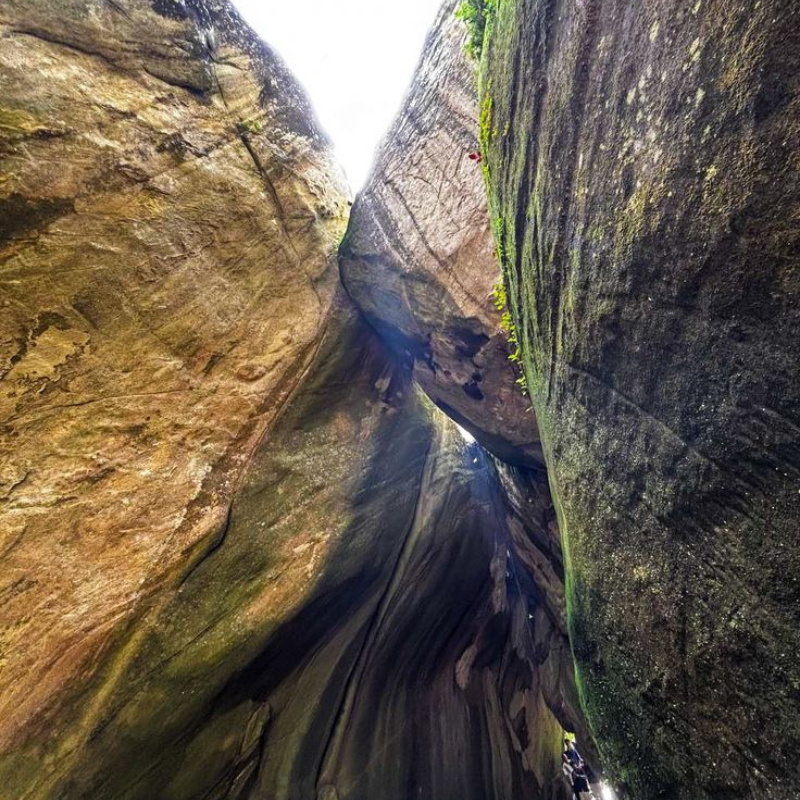
Historic Neolithic age pictorial depictions on the walls of Edakkal Caves.
Destinations

Edakkal Caves

Edakkal Caves Edakkal Caves: Located high atop Ambukutty Mala in the Wayanad district, the Edakkal Caves are not traditional underground caverns, but rather a spectacular natural fissure caused by a massive rock split. This unique geological formation contains some of the rarest and most significant prehistoric petroglyphs in India, dating back as far as 6,000 BCE. Walking through these ancient walls feels like stepping into a prehistoric narrative. The site is famous for its intricate carvings depicting humans, animals, and mysterious symbols, providing a profound window into Neolithic culture and the lives of early human settlements in the Western Ghats. Top Things to See & Do Inside: Explore the Neolithic Petroglyphs: The main attraction is the rock art housed within the central fissure. These ancient engravings, etched deep into the granite walls, are categorized into two groups. The site is a treasure trove for history buffs and archaeologists, revealing complex human and animal figures that suggest a sophisticated level of prehistoric artistic expression. The Challenging Hillside Trek: Reaching the caves involves a steep, invigorating hike from the base of Ambukutty Mala. The path is narrow and requires moderate physical effort, winding through coffee and pepper plantations before ascending the stone-cut stairs. The journey itself is picturesque, offering sweeping views of the lush Wayanad valley below. Panoramic Mountain Views: Because of its elevation, the trek to the caves offers breathtaking, unobstructed vistas of the surrounding Western Ghats. On clear days, the expanse of the Wayanad plateau is fully visible, making it an excellent spot for photographers and nature enthusiasts. View Nearby Destinations All Events Destinations Edakkal Caves Kottakkal Arya Vaidya Sala Beypore Kappad Beach Kozhikode Beach Pathiramanal Island Load More End of Content.

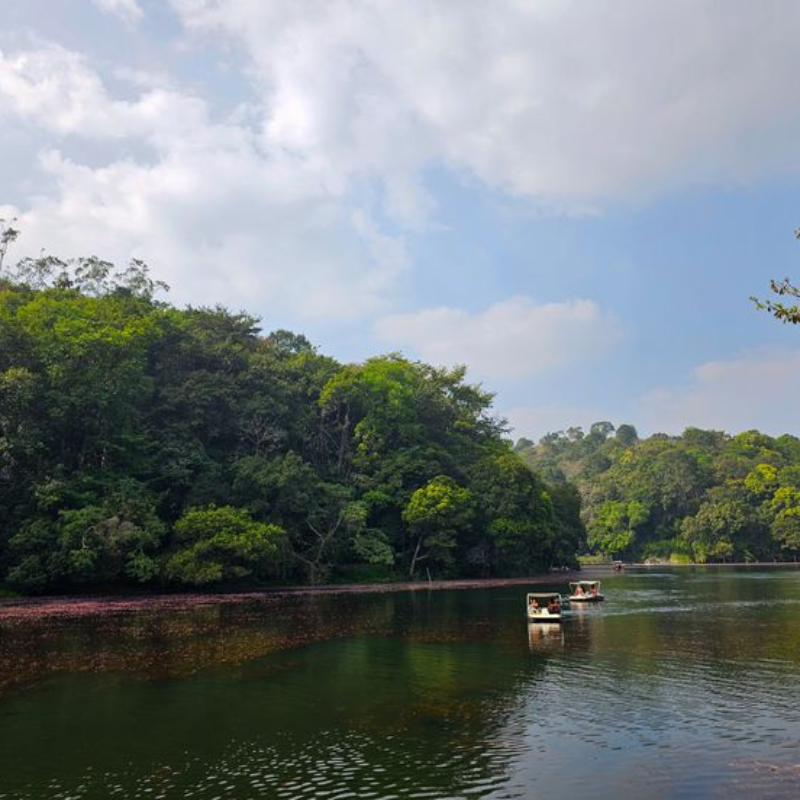
Speedboats on the reservoir at Banasura Sagar Dam with hills in background.
Destinations

Banasura Sagar Dam

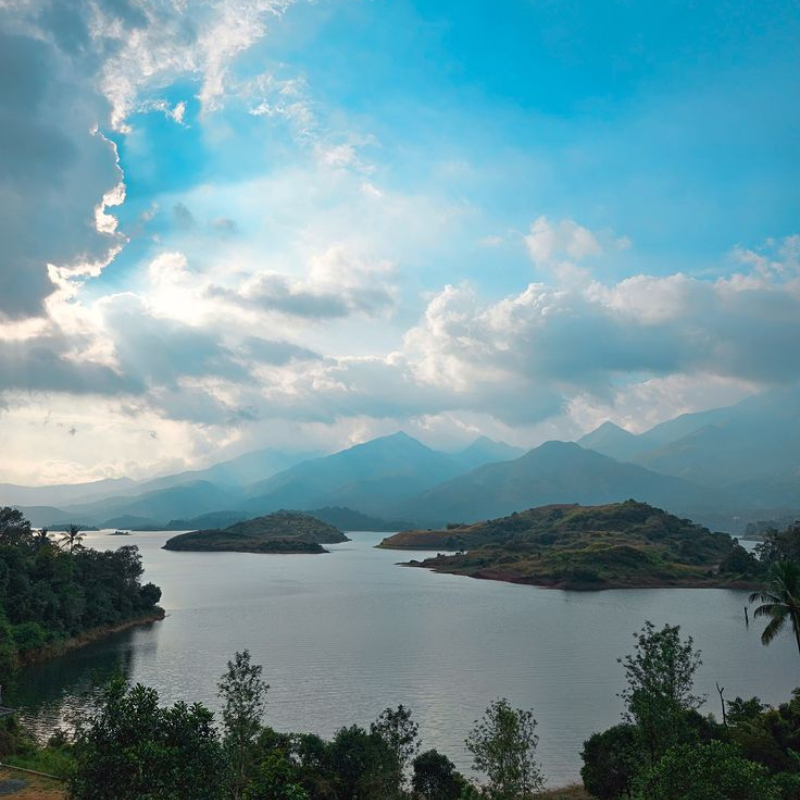
Banasura Sagar Dam Banasura Sagar Dam: Tucked away in the green hills of Wayanad, Kerala, the Banasura Sagar Dam is a massive engineering marvel with a view to match. It holds the title of the largest earthen dam in India and the second largest in Asia. Unlike conventional concrete structures, this dam is constructed from massive stacks of rough stones, boulders, and packed earth, stretching across the Karamanathodu River (a tributary of the Kabini River). What Makes It Special The true magic of Banasura Sagar happens during the monsoon. As the reservoir fills up, the rising waters partially submerge the surrounding hills, leaving a cluster of tiny, vibrant green islands dotting the expansive blue lake. Set against the dramatic backdrop of the rugged Banasura Hill—the third highest peak in the Western Ghats—it is easily one of the most striking landscapes in northern Kerala. Essential Visitor Details Detail Information Location Padinjarathara, Wayanad District, Kerala (approx. 21 km from Kalpetta) Timings 9:00 AM – 5:00 PM (Daily) Entry Fee ₹40 for adults | ₹20 for children Best Time to Visit September to March (Post-monsoon brings clear skies and maximum greenery) Key Activities & Experiences Speed Boating: The ultimate highlight for thrill-seekers. A fast-paced boat ride cuts through the expansive reservoir, navigating around the small islands. (Approx. ₹1,000 for a group of 5). Coracle Rides: For a traditional, slower-paced experience, you can opt for a ride in a kutta—a circular, woven bamboo boat. (Approx. ₹450 per couple). The Dam Walkway: The path across the top of the earthen embankment offers panoramic views of the water on one side and the valley below on the other. It is a long, completely open walk, so a morning or late afternoon visit is best to avoid the midday sun. Shuttle Service: If you prefer to skip the steep uphill walk from the main entrance ticket counter to the top of the dam, small shuttle vans operate continuously for about ₹25 per person (two-way). Adventure & More: The destination also features a zipline, kayaking options, and a small nature park with traditional tree swings perfect for families. Tip for Photographers: Aim for the late afternoon window between 3:30 PM and 5:00 PM. The golden hour light bouncing off the water against the mountain ridges creates incredible depth for landscapes. View Nearby Destinations All Events Destinations Banasura Sagar Dam Kottakkal Arya Vaidya Sala Beypore Kappad Beach Kozhikode Beach Pathiramanal Island Load More End of Content.

Towering historic teak trees at the 1846 Canoli Plot plantation
Destinations

Canoli Plot

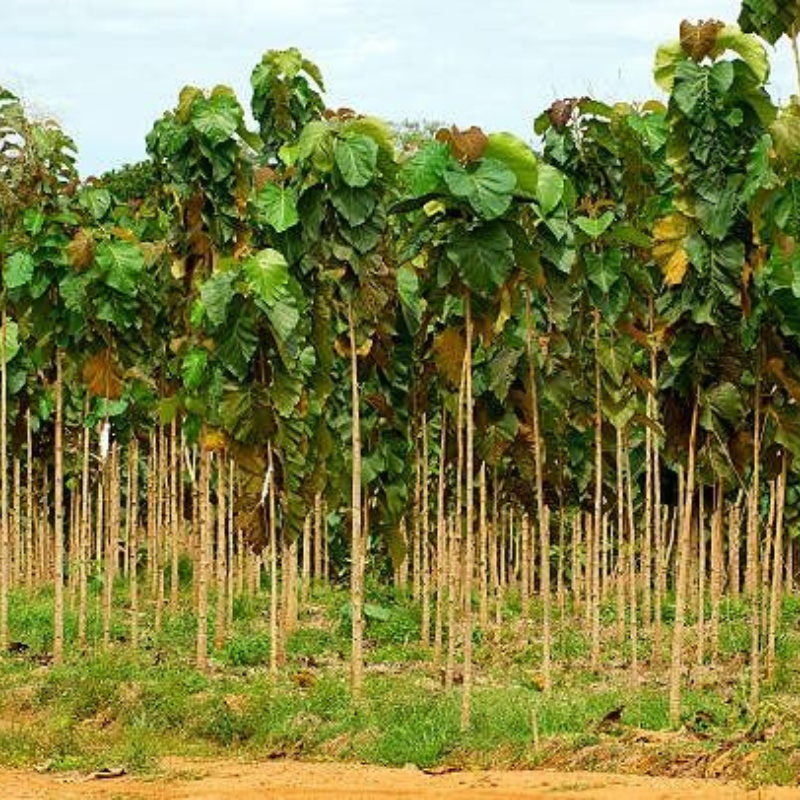
Canoli Plot Canoli Plot: Situated on the tranquil banks of the Chaliyar River just 2 kilometers from Nilambur town center, Conolly’s Plot (historically spelled as Canoli Plot) holds a legendary position in global silviculture. Commissioned in 1842 by Henry Valentine Conolly, the British District Collector of Malabar, this sacred 2.3-hectare forest parcel stands proud as the world’s very first man-made teak plantation. Faced with a severe global shortage of high-grade timber for building British royal navy ships during the mid-19th century, Conolly conceived a bold, unprecedented plan to systematically cultivate teak. Assisted by Chathu Menon, a visionary local forest officer who pioneered seed-germination techniques, they successfully raised thousands of saplings, laying down the structural foundation for modern scientific forestry in India. Today, this protected bio-reserve is a living cathedral of towering green giants, attracting international botanists, eco-travelers, and history enthusiasts. Top Things to See & Do Inside: Stand Beneath the Miraculous “Kannimari” Teak Tree: The absolute crowning jewel of the plot is tree number 23, affectionately christened Kannimari. This prehistoric, colossal giant is the oldest surviving teak tree planted during the initial 1840s cultivation phase. Boasting a staggering girth of over 4.3 meters and soaring past 49 meters into the clouds, standing beneath its massive canopy and touching its deeply grooved, weathered bark offers a profound, humbling connection to natural history. Traverse the Scenic Chaliyar Hanging Bridge: Reaching the isolated sanctuary of Conolly’s Plot requires crossing a spectacular, high-tension pedestrian suspension bridge slung across the wide, emerald currents of the Chaliyar River. Stretching over 140 meters, it is one of the longest hanging bridges in Kerala. Walking across this swaying structure rewards you with spectacular, unobstructed views of the river basin, diving kingfishers, and the dense, unbroken green wall of the Nilambur rainforest. Walk the Meticulously Arranged Colonial Logging Trails: Once inside the plot, a series of clean, leaf-strewn walking trails guides you through rows of towering, straight-trunked timber monoliths. Each historical tree features official registration tags tracking its age, scale, and health metrics. The air here is remarkably cool and clean, thick with the earthy scent of the forest floor and the calls of native Malabar hornbills. Pay Homage at the Memorial of Chathu Menon: Deep within the shaded grove stands a modest stone monument dedicated to Sub-Collector Henry Valentine Conolly and Shri Chathu Menon. It honors their multi-decade dedication, mutual respect for the local ecosystem, and the relentless engineering grit required to successfully raise the world’s most premium hardwood species from delicate seeds. View Nearby Destinations All Events Destinations Canoli Plot Kottakkal Arya Vaidya Sala Beypore Kappad Beach Kozhikode Beach Pathiramanal Island Load More End of Content.

Modern museum building dedicated to teak history in Nilambur
Destinations

Nilambur Teak Museum

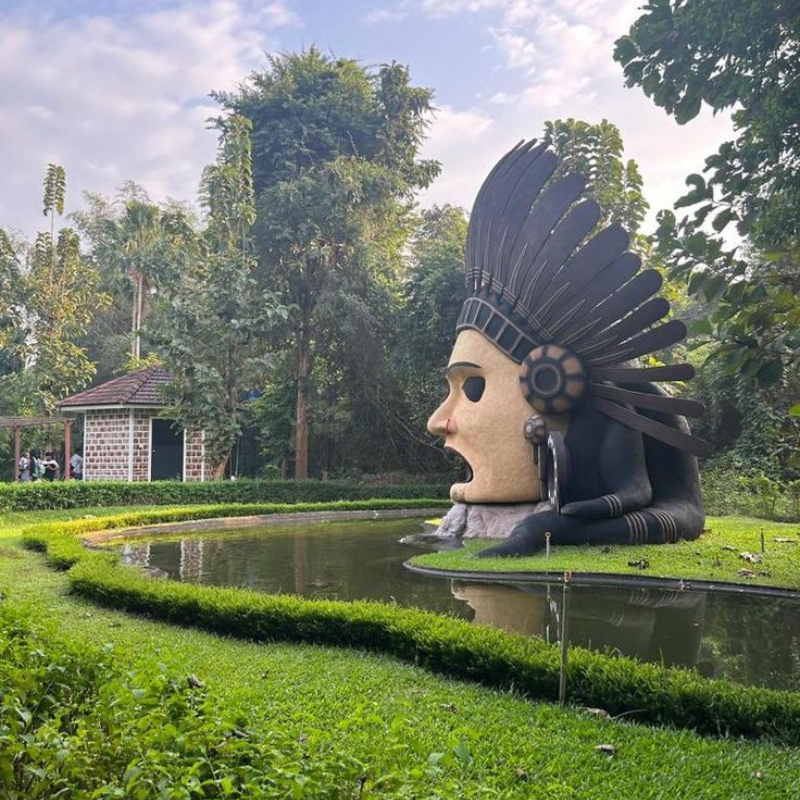
Nilambur Teak Museum Nilambur Teak Museum: Located along State Highway 28 near the quiet forest town of Nilambur in Malappuram district, the Teak Museum is a highly unique, world-renowned thematic science and historical archive. Established in 1995 on the extensive sub-campus of the Kerala Forest Research Institute (KFRI), this specialized, multi-story repository stands proud as the world’s very first institutional museum entirely dedicated to a single wood species: the legendary Tectona grandis (Teak). Nilambur itself is historically celebrated as the global cradle of elite teak logging. It houses Conolly’s Plot, the world’s oldest man-made teak plantation, commissioned early in the 1840s by H.V. Conolly, the British Malabar District Collector. The museum serves as an immersive, highly engaging educational hub designed to detail everything from the prehistoric ethno-botanical history of the timber to its monumental structural role in ancient global ship-building and premium imperial furniture craft. Top Things to See & Do Inside: The Colossal Root System and Ground Floor Displays: The absolute center of the ground floor foyer features a massive, sprawling root system of a 480-year-old teak giant meticulously excavated from the deeper core zones of the adjacent high-range forests. Walking past this monolithic specimen leads visitors to beautifully cataloged exhibits featuring ancient hand-saws, colonial transport mechanisms, logging tools, and interactive displays tracking the technical history of forest management in the Malabar province. The Biological and Morphological Labs upstairs: The upper floor houses advanced scientific labs detailing the intricate life cycle of the teak tree. Visitors can view structured cross-sections showing clear annual growth rings to calculate timber age, explore extensive exhibits detailing common insect pathogens (like the defoliator moth), and study specialized seed-germination protocols. It provides exceptional educational value for students, research scholars, and forestry enthusiasts alike. The Extensive Bio-Diversity and Medicinal Plant Gardens: Surrounding the striking brick museum structure is an expansive, impeccably manicured Bio-Resources Park. Visitors can stroll down paved pedestrian trails to discover an active collection of over 300 rare, vulnerable, and endemic orchid species, a meticulously documented medicinal plant conservation patch, and a vibrant butterfly garden humming with regional winged fauna. Walk Through the Historic Conolly’s Plot & Hanging Bridge: Located just 3 kilometers down the road from the museum is the sacred Conolly’s Plot. Visitors can walk among soaring, multi-story teak trees that have been growing untouched for nearly two centuries. Reaching this protected sanctuary requires crossing a spectacular, long public hanging bridge suspended high over the rushing emerald currents of the Chaliyar River, making it an incredible adventure. View Nearby Destinations All Events Destinations Nilambur Teak Museum Kottakkal Arya Vaidya Sala Beypore Kappad Beach Kozhikode Beach Pathiramanal Island Load More End of Content.

Scroll to Top