Author name: Yash Soman

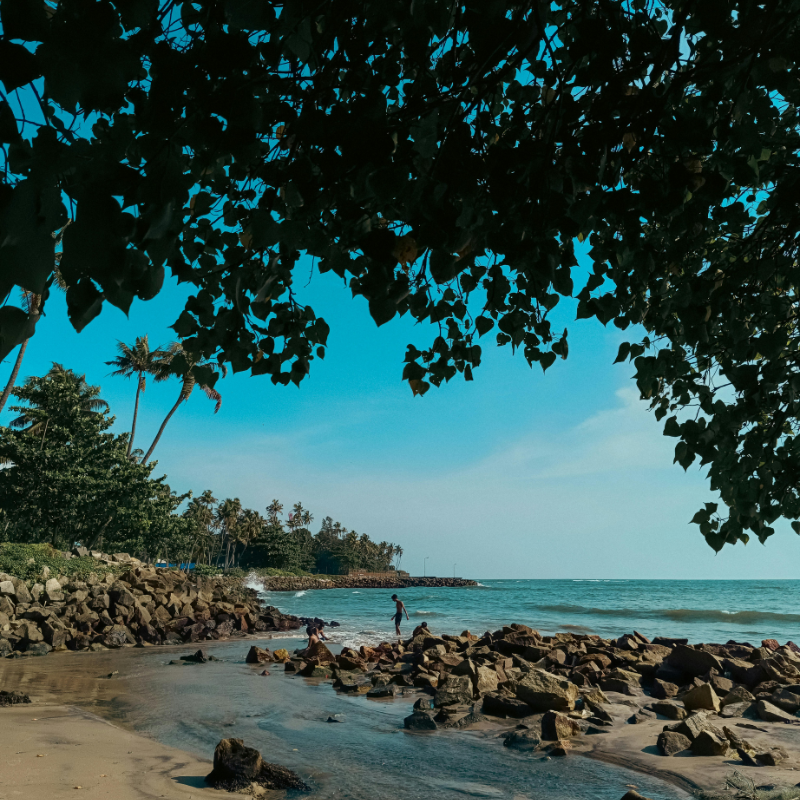
Sunset view at Mahatma Gandhi Beach in Kollam
Destinations

Kollam Beach

Kollam Beach Kollam Beach: Stretching elegantly along the southwestern coast of Kerala, Kollam Beach—also widely known as Mahatma Gandhi Beach—is a vibrant, historic coastal destination that seamlessly blends maritime history with urban leisure. While many of Kerala’s southern beaches are tucked away in secluded rocky coves, Kollam Beach opens up into an expansive, wind-swept shoreline of shimmering golden sand bordered by the deep blue expanse of the Arabian Sea. Historically, this coast served as an international trading port, welcoming ancient Phoenician, Chinese, Roman, and Arab merchant fleets. Today, the beach has been transformed into a beautifully designed urban escape. Featuring a meticulously landscaped beachfront park, a historic lifeguard outpost, and an endless array of local street food stalls, it serves as the ultimate open-air community hub. It is a place where travelers and locals alike gather to watch massive international cargo ships glide along the horizon while soaking in some of the most dramatic, unobstructed sunset vistas on the Malabar Coast. Top Things to See & Do Inside: Stroll Along the Landscaped Mahatma Gandhi Park: Bordering the sandy shoreline is the beautifully maintained Mahatma Gandhi Park, a premier recreational asset on the Kollam coast. The park features paved walking tracks, lush green lawns, and shaded seating areas perfect for evening relaxation. It also includes an integrated children’s play area, fountains, and a small open-air theater, making it an exceptional family-friendly zone where you can enjoy the cool ocean breeze away from the crashing waves. Witness the Iconic Coastal Sunsets from the Marine Promenade: The main draw for evening visitors is the beach’s long waterfront promenade. Walking along this open stretch provides a front-row seat to the raw power and beauty of the Arabian Sea. As night falls, the sky transforms into a canvas of deep orange and purple, casting a dramatic silhouette over the old ruins of the historic port infrastructure and the traditional fishing boats resting on the sand. Indulge in Malabar Street Food at the Night Bazaars: As the sun dips below the horizon, the beach comes alive with a bustling night market. Dozens of local food kiosks set up along the sands, offering an authentic taste of coastal Malabar street food. Visitors can indulge in local favorites like Thattu Dosa, spicy sea-fish fries, seasoned tapioca dishes, and the famous Kollam-style Kulukki Sarbath (shaken ice-lime drinks) while listening to the roar of the surf. Explore the Historic Port and Lighthouse Precinct: Located on the northern fringes of the beach lies the ancient trading harbor area and the approach to the historic Thangassery lighthouse sector. Taking a short walk or auto-ride from the main sands allows visitors to view the massive breakwater structures where the backwaters meet the sea, offering a fascinating glimpse into the active, daily seafaring culture that has defined Kollam for over a thousand years. View Nearby Destinations All Events Destinations Kollam Beach Kannur & Kasaragod Wayanad Kozhikode & Malappuram Thrissur & Palakkad Ernakulam Load More End of Content.
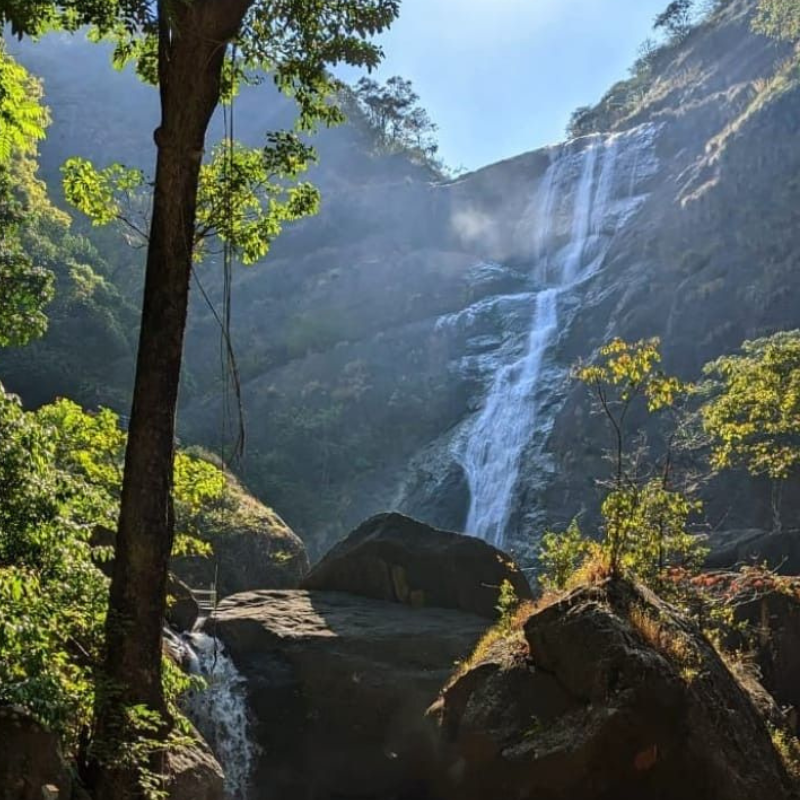
Scenic 300ft Palaruvi waterfall cascading down rocks
Destinations

Palaruvi Waterfalls

Palaruvi Waterfalls Palaruvi Waterfalls: Tucked deep inside the dense Shendurney Wildlife Sanctuary near Aryankavu in the Kollam district, Palaruvi Waterfalls is one of Kerala’s most spectacular and pristine natural cascades. The name Palaruvi translates literally to “Stream of Milk” in Malayalam, a perfect description for the way the water churns into a brilliant, frothy white as it thunders down a massive, sheer rock face. Dropping from a breathtaking height of 300 feet, it stands out as one of the highest and most photogenic waterfalls in South India. Set against a backdrop of ancient, untouched tropical rainforests and jagged rock formations near the Kerala-Tamil Nadu border, Palaruvi is deeply tied to local wellness lore. The streams that feed the main waterfall flow through miles of dense, untouched forest areas rich with rare medicinal herbs and Ayurvedic plants. Because of this, the cool waters are widely believed by locals to possess unique rejuvenating and therapeutic properties, turning a simple dip in the plunge pool into a natural herbal bath. It offers a raw, sensory escape into the wild foothills of the Western Ghats, far removed from the modern world. Top Things to See & Do Inside: Bathe in the Rejuvenating Natural Plunge Pool: The primary draw for travelers visiting Palaruvi is the massive, deep rock pool at the base of the 300-foot drop. The force of the cascading water creates a cool, mist-heavy amphitheater where visitors can swim and bathe in the mineral-rich waters. To ensure a safe, organized experience, the forest department has constructed separate, dedicated bathing sections and changing rooms for women and men, making it an exceptionally family-friendly jungle destination. Trek Through the Shendurney Riparian Forest Trails: For adventure seekers and trekking enthusiasts, the forest department organizes guided eco-walks that wind through the protected valleys surrounding the falls. These rugged trails take you deep beneath the canopy of evergreen trees, past wild spice bushes, streams, and ancient rocky paths. It is an incredible opportunity to spot the unique flora and fauna of the southern Western Ghats, including rare butterflies, hornbills, and endemic orchid species. Relax at the Forest Eco-Park Picnic Grounds: Beautifully managed by the local Forest Development Agency, the area immediately leading up to the waterfall has been developed into a sustainable, low-impact eco-park. Visitors can stroll along paved stone pathways, cross rustic wooden bridges, and relax at shaded seating clearings directly overlooking the rapids. The park is designed to maintain the integrity of the forest, providing a clean, plastic-free environment to enjoy a packed lunch while listening to the roar of the falls. Visit the Nearby Historic Aryankavu Sastha Temple: Located just a few kilometers from the waterfall check-post sits the ancient Aryankavu Sastha Temple, an important cultural stop tied to the legendary Sabarimala pilgrimage circuit. This historic shrine features traditional Kerala-style wooden architecture and stone carvings. Tucked into a quiet mountain valley, the temple provides a serene cultural contrast to the high-energy environment of the nearby waterfalls. View Nearby Destinations All Events Destinations Palaruvi Waterfalls Kannur & Kasaragod Wayanad Kozhikode & Malappuram Thrissur & Palakkad Ernakulam Load More End of Content.
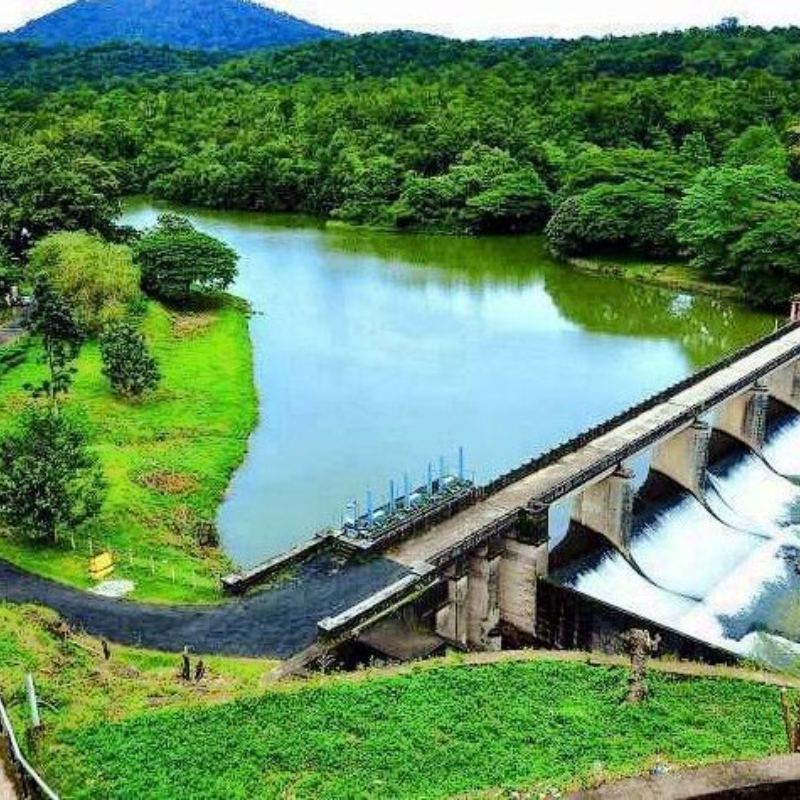
Aerial view of Thenmala eco-tourism project and dam
Destinations

Thenmala

Thenmala Thenmala: Nestled deep within the foothills of the southern Western Ghats, roughly 66 kilometers east of Kollam city, Thenmala is a groundbreaking destination in the world of sustainable travel. While most tourism hubs evolve organically over time, Thenmala holds the unique distinction of being India’s first planned eco-tourism project. The name Thenmala translates literally to “Honey Hill” in Malayalam, a nod to the high-quality, medicinal honey harvested from the dense forest trees that blanket the region. Spanning a highly structured network of ten distinct forest sectors, Thenmala sits on the fringes of the sprawling Shendurney Wildlife Sanctuary. It serves as a masterfully engineered ecological playground where the focus shifts entirely away from urban expansion toward environmental conservation, wildlife protection, and community-driven tourism. The landscape is a pristine mix of rolling hills, old-growth teak plantations, rubber estates, and the massive reservoir of the Thenmala Dam. For travelers, it offers a brilliantly curated outdoor experience where deep-jungle adventures, educational eco-trails, and high-adrenaline forest activities are seamlessly organized across dedicated visitor zones. Top Things to See & Do Inside: Explore the Culture Zone and Musical Fountain: Designed as the primary gateway for visitors, the Culture Zone blends local heritage with beautifully landscaped forest walkways. The highlight here is the fully automated, outdoor Musical Dancing Fountain. This open-air amphitheater uses synchronized water jets, multi-colored lighting, and traditional music to create a stunning visual spectacle against the backdrop of the dark forest night. The zone also features a restaurant serving local tribal cuisine and an shop selling authentic forest-harvested honey and wood crafts. Traverse the Canopy Walk in the Leisure Zone: For those seeking a peaceful, immersive connection with nature, the Leisure Zone features a network of paved paths winding through dense foliage. The standout feature is an elevated Canopy Walkway that allows visitors to stroll right through the treetops, offering a unique perspective on the rich birdlife, butterflies, and unique flora of the Western Ghats. The trail also leads past the iconic Thenmala Hanging Bridge, a historic suspension bridge that offers spectacular views of the winding river below. Conquer the Aerial Loops in the Adventure Zone: Built against natural rock faces and deep forest ravines, the Adventure Zone is designed to test your physical endurance. Visitors can challenge themselves on a wide array of outdoor activities, including a high-rope forest course, mountain biking along rugged jungle tracks, rock climbing, bouldering, and river crossing. The most thrilling experience is the massive zip-line that launches you from a high cliff platform, sending you soaring right over the emerald lake and forest canopy. Visit the Thenmala Deer Rehabilitation Center: Located within a deep pocket of the forest, this specialized sanctuary is dedicated to rescuing, treating, and rehabilitating deer that have strayed from the deep wilderness or been injured. Visitors can walk along elevated wooden boardwalks to spot herds of Spotted Deer (Chital), Sambar Deer, and the rare Barking Deer roaming freely in a protected, natural habitat. The center serves as an excellent educational stop, highlighting Kerala’s active forest conservation initiatives. View Nearby Destinations All Events Destinations Thenmala Kannur & Kasaragod Wayanad Kozhikode & Malappuram Thrissur & Palakkad Ernakulam Load More End of Content.
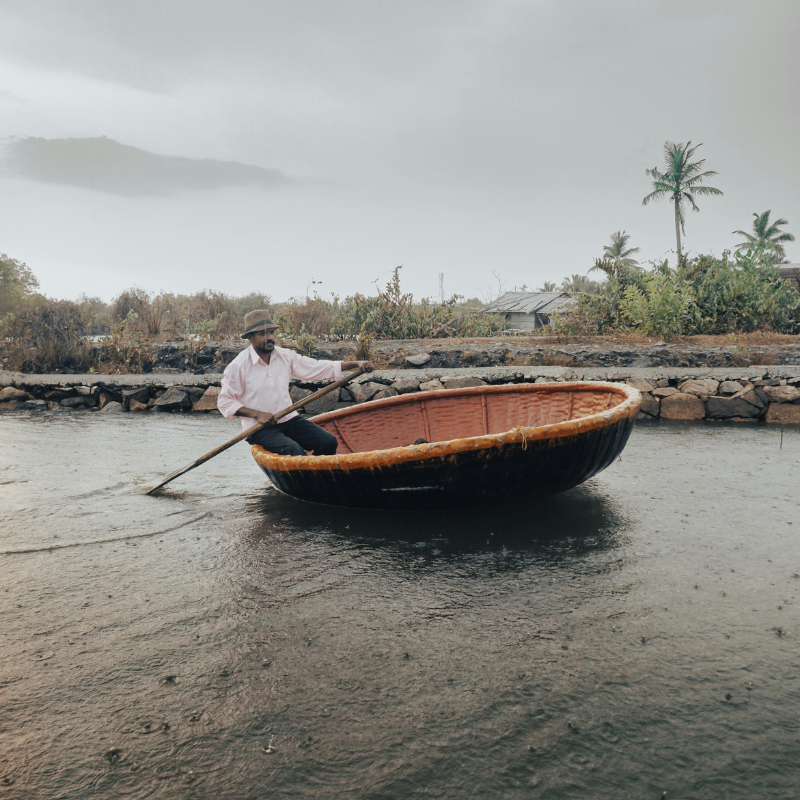
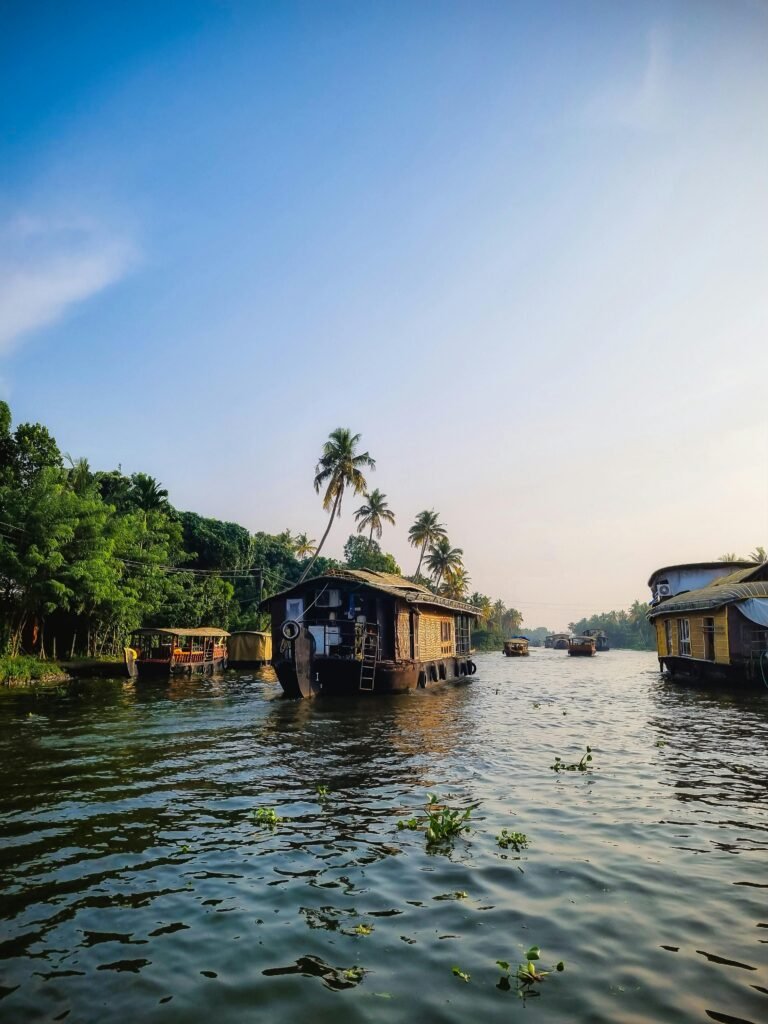
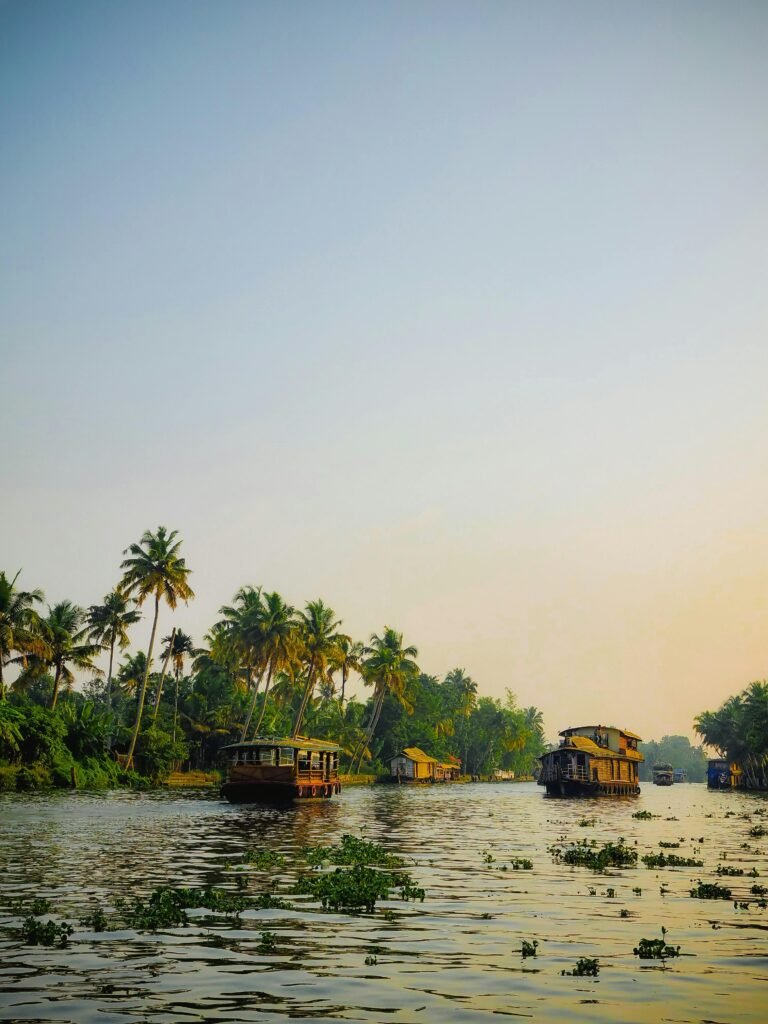
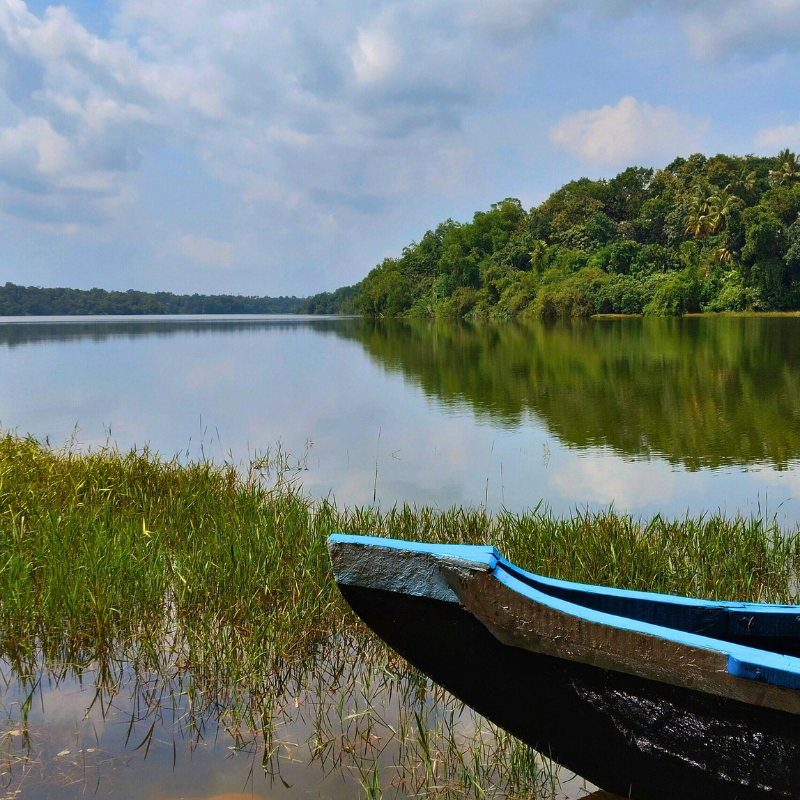
Ashtamudi Lake backwaters
Destinations

Ashtamudi Lake

Ashtamudi Lake Ashtamudi Lake: Sprawling across a massive 61 square kilometers in the Kollam district, Ashtamudi Lake is arguably the most structurally unique and ecologically vital wetland system in South India. While the northern backwaters of Kerala are often seen as linear corridors, Ashtamudi—which translates literally to “Eight Cones” or “Eight Peaks” in Malayalam—is shaped like a giant, multi-limbed octopus. This majestic palm-shaped water body represents the true geographic gateway to Kerala’s legendary backwater network, where the fresh waters of the Kallada River collide with the salt tides of the Arabian Sea at the Neendakara estuary. As India’s second-largest wetland ecosystem and a globally recognized Ramsar Site, Ashtamudi is a thriving biodiversity hotspot, sustaining hundreds of species of migratory birds, unique mangrove canopies, and a legendary fishing economy. For the traveler, it offers a stark, deeply authentic alternative to busier tourist tracks—a place where expansive blue horizons, historic trading ports, and ancient Chinese fishing nets merge into a quiet, luxury-tinged water world that embodies the soulful side of coastal Malabar heritage. Top Things to See & Do Inside: Embark on the Historic Kollam-to-Alappuzha Houseboat Cruise: Ashtamudi Lake is the starting point for the longest, most scenic backwater cruise in Kerala—an 8-hour epic voyage that links Kollam to Alleppey. Visitors can board a traditional, luxury wood-and-bamboo Kettuvallam (houseboat) to traverse the lake’s wide, windy expanses. Unlike shorter cruises, this cross-district journey takes you past isolated islands, deep mangrove tunnels, and rural lakefront villages, offering a complete, slow-motion immersion into the aquatic lifestyle of South Kerala. Explore the Mangrove Sanctuary of Asramam Picnic Village: Located on the lush, urban shores of the lake in Kollam city, this sprawling 48-acre heritage park is a magnificent ecological asset. The area features a dense, protected mangrove forest that acts as a vital breeding ground for marine life and rare otters. Visitors can walk along the landscaped waterfront, view the 140-year-old British-built Asramam Guest House, and take specialized boat rides deep into the quiet, roots-entangled mangrove creeks where rare birds nest. Visit the Clam Harvesting Village of Sambranikodi: For an immersive cultural experience, head to Sambranikodi, a unique fishing outpost located on the southern fringes of the lake. Here, a shallow mudflat emerges in the middle of the water during low tide, allowing visitors to step out of local wooden boats and literally walk in knee-deep water far from the shore. The village is famous for its sustainable, hand-harvested black clam industry, where you can watch local fishers dive bare-handed to collect shells from the lakebed. Witness the Grandeur of Chinese Fishing Nets at Neendakara: Where the sprawling arms of Ashtamudi Lake open up into the Arabian Sea sits the historic port of Neendakara. The waterfront here is lined with massive, cantilevered Chinese fishing nets (Cheena Vala) that silhouetted against the sky. Watching the local fishing teams operate the complex weight-and-pulley systems to hoist up the evening catch against a blazing Malabar sunset is an architectural and cultural spectacle that dates back to the era of ancient silk-route trade. View Nearby Destinations All Events Destinations Ashtamudi Lake Kannur & Kasaragod Wayanad Kozhikode & Malappuram Thrissur & Palakkad Ernakulam Load More End of Content.
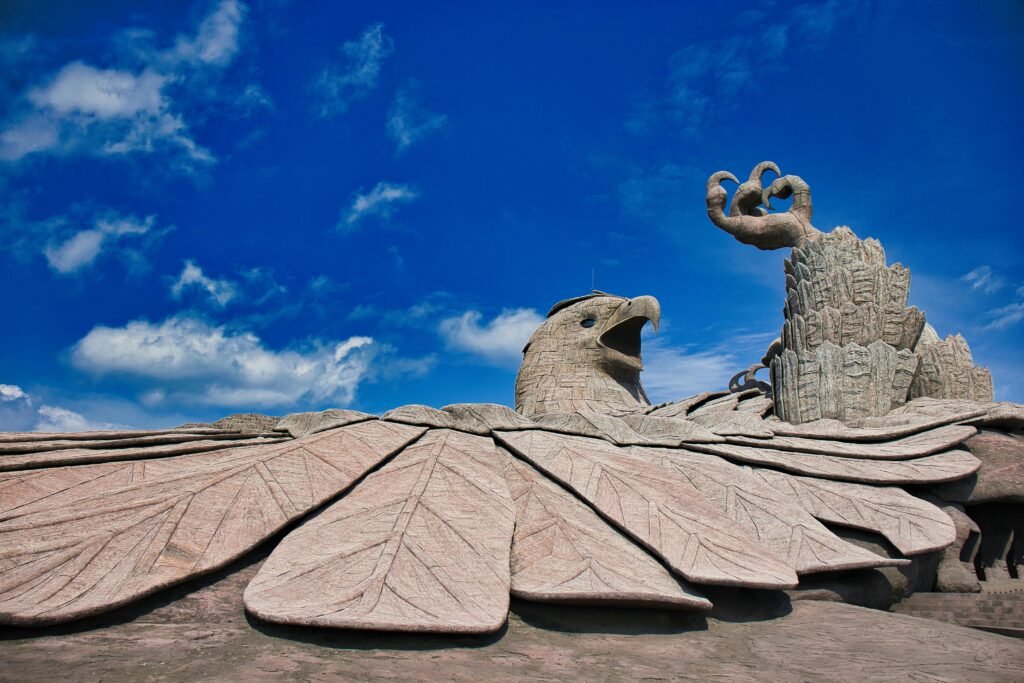
Traditional canoe cruise in narrow canals of Munroe Island
Destinations

Munroe Island

Munroe Island Munroe Island: Tucked away between the calm waters of Ashtamudi Lake and the Kallada River roughly 25 kilometers from Kollam city, Munroe Island (known locally as Mundrothuruthu) is an exceptionally distinct and fragile delta network. While the famous backwater hubs of Alleppey are defined by massive houseboats navigating wide channels, Munroe Island stands out as a peaceful, labyrinthine web of eight tiny islands woven together by narrow, hand-hewn canals, low-slung concrete bridges, and a deeply traditional village lifestyle. Named in honor of Colonel John Munro, the visionary British Resident of the princely state of Travancore who oversaw land reclamation projects here in the early 19th century, the island is a fascinating geographical anomaly. Today, it serves as a serene, eco-tourism sanctuary where ancient mangrove forests, vast coconut plantations, and sustainable coir-weaving traditions exist in a delicate balance. It is also an area of intense ecological study, frequently referred to as a “sinking island” due to rising water levels and tectonic shifts, giving it a haunting, transient beauty that draws travelers looking for an authentic, untamed Kerala experience. Top Things to See & Do Inside: Experience the Magic of the Country Canoe Canal Cruise: The absolute crown jewel of Munroe Island is its intimate canal network, which is entirely inaccessible to motorized boats. Visitors board small, traditional wooden country canoes poled manually by local villagers. This slow-paced safari glides silently beneath dense canopies of bending coconut palms, winding past backyards where locals wash clothes, fish for pearl spot (Karimeen), and wave from the banks. The cruise offers an unhurried, front-row seat to a lifestyle that has remained unchanged for generations. Discover the Art of Traditional Coir Weaving: For culture enthusiasts, visiting the island’s home-based coir industries is a must. You can walk into small village courtyards to see local artisans—primarily women—expertly transforming raw coconut husks into strong, golden fiber thread. Using traditional wooden spinning wheels called Ratt, they weave massive ropes and mats right outside their doorsteps. It is a brilliant display of sustainable, community-driven craftsmanship that forms the economic backbone of the delta. Witness the Sunrise at the Kallada River Confluence: For photographers and nature lovers, an early morning trip to the point where the Kallada River empties into Ashtamudi Lake is unforgettable. As the mist lifts off the water, you can watch traditional fishermen cast cast-nets from narrow skiffs or submerge themselves to hand-harvest black clams from the riverbed. The stillness of the morning, paired with the golden light filtering through the mangroves, offers one of the most peaceful panoramas in South Kerala. Explore the Historic Dutch Church: Located right on the scenic waterfront sits a beautiful remnant of the island’s colonial past. Built by Dutch missionaries in 1878 AD, this modest yet historic brick church blends European architectural lines with traditional Kerala tiling. The structure stands as a quiet, picturesque landmark on the water’s edge, surrounded by coconut trees and brackish canals, symbolizing the multi-layered heritage of this isolated delta. View Nearby Destinations All Events Destinations Munroe Island Jatayu Earth’s Center Kannur & Kasaragod Wayanad Kozhikode & Malappuram Thrissur & Palakkad Load More End of Content.

World's largest bird statue at Jatayu Earth Center Kerala
Destinations

Jatayu Earth’s Center

Jatayu Earth’s Center Jatayu Earth’s Center: Rising majestically above the lush canopy of Chadayamangalam in the Kollam district, Jatayu Earth’s Center is a breathtaking intersection of ancient epic, ecological conservation, and cutting-edge engineering. While much of Kerala’s tourism is celebrated through its winding backwaters and misty hill stations, this destination commands global attention as a monumental tribute to valor and artistic ambition. Spread across 65 acres of dramatic rocky terrain, the center is built on the very hill where, according to the Ramayana, the noble demi-god bird Jatayu fought valiantly against the demon king Ravana to protect Goddess Sita. Spanning a decade of meticulous construction led by renowned sculptor and filmmaker Rajiv Anchal, this eco-cultural park stands as a masterpiece of sustainable tourism, blending ancient Indian heritage with adrenaline-pumping modern adventure. Top Things to See & Do Inside: Marvel at the Colossal Jatayu Sculpture (The World’s Largest Bird Statue): Perched atop a massive rocky hill sits the absolute crown jewel of the center. Measuring an astounding 200 feet in length, 150 feet in width, and 70 feet in height, this functional concrete sculpture is officially recognized as the world’s largest bird statue. The attention to detail is awe-inspiring—from the individual texturing of its colossal feathers to its single, skyward-facing wing that symbolizes his heroic fall. Walking up to this architectural marvel offers sweeping, 360-degree panoramic views of the Western Ghats. Step Inside the Audiovisual Mythological Museum: Located directly inside the massive body of the Jatayu sculpture is a multi-level, state-of-the-art museum complex. This hidden indoor facility uses high-tech, multi-dimensional projection technology and immersive soundscapes to take visitors on a journey through the Treta Yuga. The exhibits beautifully narrate the life of Jatayu, his legendary battle, and his ultimate sacrifice, turning a cultural epic into an unforgettable sensory experience. Soar on the State-of-the-Art Swiss Cable Car: To reach the rocky hilltop where the giant bird rests, visitors can step into Kerala’s first advanced, ultra-safe Swiss cable car system. The glass-paned gondola ride offers an exhilarating aerial journey, gliding smoothly over the deep gorges, jagged cliffs, and dense emerald forests below. It provides a thrilling bird’s-eye view of the entire eco-park infrastructure before safely depositing you at the feet of the monolith. Conquer the High-Octane Adventure Park: For thrill-seekers and fitness enthusiasts, the rugged, lower hills of the center house a massive, integrated adventure zone. Built against natural rock formations, this park features over 20 challenging activities, including a vertical net climb, bouldering, chimney climbing, zip-lining across rocky chasms, and a high-energy paintball arena. It is an ideal space for team-building or testing your personal endurance in a raw, natural setting. View Nearby Destinations All Events Destinations Munroe Island Jatayu Earth’s Center Kannur & Kasaragod Wayanad Kozhikode & Malappuram Thrissur & Palakkad Load More End of Content.

Blog

Budget Kerala Tours

Budget Kerala Tours All Posts Read More Thiruvananthapuram How to Experience the Magic of Kerala on a Budget: A Complete Guide Padmanabhaswamy Temple Known as the world’s richest temple, this architectural marvel is dedicated to Lord Vishnu. Visitors flock here to witness its gold-plated exterior and intricate Dravidian-style stone carvings. Kovalam Beach This world-famous destination is recognized by its iconic red-and-white striped lighthouse overlooking three crescent-shaped beaches. It is the perfect spot for sunbathing, surfing, and enjoying fresh coastal cuisine. Varkala Cliff These unique red sedimentary cliffs stand in sharp contrast to the blue waters of the Arabian Sea below. It is the only place in southern Kerala where cliffs are found adjacent to the sea, offering a spectacular sunset view. Know More Kollam & Pathanamthitta Jatayu Earth’s Center Home to the world’s largest bird sculpture, this massive rock-themed park celebrates the legendary character from the Ramayana. Visitors can enjoy a cable car ride to the hilltop for breathtaking views and adventure activities. Munroe Island This hidden gem is famous for its narrow canal cruises that wind through lush coconut plantations and quiet villages. It offers an authentic look at traditional island life and the serene beauty of the backwaters. Ashtamudi Lake Recognized as the gateway to the Kerala backwaters, this vast palm-shaped lake is the second-largest in the state. Its calm waters are perfect for long houseboat stays and spotting diverse local birdlife. Thenmala As India’s first planned eco-tourism project, this destination offers a mix of adventure, culture, and nature. It features a beautiful dam, a butterfly safari, and unique trekking trails through the forest. Know More All Posts Read More All Posts Read More Alappuzha Alleppey Backwaters Known as the “Venice of the East,” this vast network of lagoons and canals is the premier hub for iconic houseboat cruises. It offers travelers a tranquil way to drift past lush landscapes while enjoying traditional Kerala meals prepared right on the water. Kuttanad Famous as “The Rice Bowl of Kerala,” this unique region is one of the few places in the world where farming is successfully practiced below sea level. The area provides a stunning visual of endless green paddy fields separated by narrow dikes and shimmering waterways. Marari Beach This serene destination is celebrated for its pristine white sands and quiet atmosphere, making it far more peaceful than the busier tourist hubs. It is the perfect location for luxury eco-resorts and those looking to unwind under a canopy of coconut trees. Know More Kottayam & Idukki Munnar This world-famous hill station is blanketed in endless rolling tea estates that create a breathtaking emerald carpet across the mountains. It is the perfect destination for those seeking cool climates, aromatic air, and stunning photography spots. Eravikulam National Park This protected sanctuary is the natural home of the endangered Nilgiri Tahr, a mountain goat found nowhere else in the world. Visitors can trek through the high-altitude grasslands and enjoy the spectacular blooming of Neelakurinji flowers once every twelve years. Thekkady (Periyar) As the heart of Kerala’s wildlife, this region offers unique jungle boating experiences where you can spot wild elephants and tigers from the safety of the lake. The surrounding forests are also famous for guided spice plantation tours and adventurous night treks. Know More All Posts Read More All Posts Read More Ernakulam Fort Kochi Steeped in colonial history, this seaside area is world-famous for its iconic giant Chinese fishing nets that line the shore. Its narrow streets are filled with Dutch and Portuguese-style architecture, charming art cafes, and historical landmarks. Mattancherry Palace Commonly known as the Dutch Palace, this heritage building features a unique blend of Kerala and colonial architectural styles. It is most celebrated for its incredibly vibrant 16th-century murals that depict detailed scenes from Hindu epics. Paradesi Synagogue Located in the heart of Jew Town, this is the oldest active synagogue in the Commonwealth and a symbol of Kochi’s multicultural past. Visitors are captivated by its hand-painted Chinese porcelain floor tiles and magnificent Belgian glass chandeliers. Know More Thrissur & Palakkad Vadakkunnathan Temple This ancient temple is a masterpiece of classical Kerala-style architecture, featuring massive stone walls and four grand gopurams. It is a UNESCO-recognized site that sits at the heart of Thrissur and serves as the center stage for the world-famous Pooram festival. Guruvayur Temple Known as the “Dwarka of the South,” this major pilgrimage site is dedicated to Lord Krishna and is one of the most visited temples in India. Its sacred atmosphere and traditional rituals draw millions of devotees who come to seek blessings in the divine presence of Guruvayurappan. Punnathur Kotta Once a palace, this unique sanctuary now serves as a dedicated home for over 50 elephants belonging to the Guruvayur Temple. Visitors can observe these majestic animals being fed, bathed, and cared for within the lush, sprawling grounds of the fort. Kalamandalam This world-renowned center is the premier institution for learning Kathakali, Mohiniyattam, and other traditional performing arts of Kerala. It offers a rare opportunity for tourists to witness the rigorous training and cultural heritage that preserve the state’s ancient artistic soul. Know More All Posts Read More All Posts Read More Kozhikode & Malappuram Kozhikode Beach This historic shoreline is famous for its century-old piers that extend into the sea and its vibrant evening atmosphere. It is a paradise for food lovers, offering some of the best street-side seafood and the legendary Kozhikodan Halwa. Kappad Beach This geographically significant beach is the exact spot where the Portuguese explorer Vasco da Gama landed in 1498, changing the course of Indian history. Today, it is a peaceful Blue Flag-certified beach known for its rocky formations and clean, quiet sands. Beypore Located at the mouth of the Chaliyar River, this ancient port is world-renowned for its “Uru” ship-building industry where massive wooden dhows are still handcrafted. Visitors can walk along the beautiful stone pier that stretches nearly two kilometers into the sea. Know More Wayanad Banasura Sagar Dam As India’s largest earthen dam, this

Blog

Family Tour Packages

Family Tour Packages All Posts Read More Thiruvananthapuram Unforgettable Family Adventures: The Ultimate Guide to Kerala Family Tour Packages Padmanabhaswamy Temple Known as the world’s richest temple, this architectural marvel is dedicated to Lord Vishnu. Visitors flock here to witness its gold-plated exterior and intricate Dravidian-style stone carvings. Kovalam Beach This world-famous destination is recognized by its iconic red-and-white striped lighthouse overlooking three crescent-shaped beaches. It is the perfect spot for sunbathing, surfing, and enjoying fresh coastal cuisine. Varkala Cliff These unique red sedimentary cliffs stand in sharp contrast to the blue waters of the Arabian Sea below. It is the only place in southern Kerala where cliffs are found adjacent to the sea, offering a spectacular sunset view. Know More Kollam & Pathanamthitta Jatayu Earth’s Center Home to the world’s largest bird sculpture, this massive rock-themed park celebrates the legendary character from the Ramayana. Visitors can enjoy a cable car ride to the hilltop for breathtaking views and adventure activities. Munroe Island This hidden gem is famous for its narrow canal cruises that wind through lush coconut plantations and quiet villages. It offers an authentic look at traditional island life and the serene beauty of the backwaters. Ashtamudi Lake Recognized as the gateway to the Kerala backwaters, this vast palm-shaped lake is the second-largest in the state. Its calm waters are perfect for long houseboat stays and spotting diverse local birdlife. Thenmala As India’s first planned eco-tourism project, this destination offers a mix of adventure, culture, and nature. It features a beautiful dam, a butterfly safari, and unique trekking trails through the forest. Know More All Posts Read More All Posts Read More Alappuzha Alleppey Backwaters Known as the “Venice of the East,” this vast network of lagoons and canals is the premier hub for iconic houseboat cruises. It offers travelers a tranquil way to drift past lush landscapes while enjoying traditional Kerala meals prepared right on the water. Kuttanad Famous as “The Rice Bowl of Kerala,” this unique region is one of the few places in the world where farming is successfully practiced below sea level. The area provides a stunning visual of endless green paddy fields separated by narrow dikes and shimmering waterways. Marari Beach This serene destination is celebrated for its pristine white sands and quiet atmosphere, making it far more peaceful than the busier tourist hubs. It is the perfect location for luxury eco-resorts and those looking to unwind under a canopy of coconut trees. Know More Kottayam & Idukki Munnar This world-famous hill station is blanketed in endless rolling tea estates that create a breathtaking emerald carpet across the mountains. It is the perfect destination for those seeking cool climates, aromatic air, and stunning photography spots. Eravikulam National Park This protected sanctuary is the natural home of the endangered Nilgiri Tahr, a mountain goat found nowhere else in the world. Visitors can trek through the high-altitude grasslands and enjoy the spectacular blooming of Neelakurinji flowers once every twelve years. Thekkady (Periyar) As the heart of Kerala’s wildlife, this region offers unique jungle boating experiences where you can spot wild elephants and tigers from the safety of the lake. The surrounding forests are also famous for guided spice plantation tours and adventurous night treks. Know More All Posts Read More All Posts Read More Ernakulam Fort Kochi Steeped in colonial history, this seaside area is world-famous for its iconic giant Chinese fishing nets that line the shore. Its narrow streets are filled with Dutch and Portuguese-style architecture, charming art cafes, and historical landmarks. Mattancherry Palace Commonly known as the Dutch Palace, this heritage building features a unique blend of Kerala and colonial architectural styles. It is most celebrated for its incredibly vibrant 16th-century murals that depict detailed scenes from Hindu epics. Paradesi Synagogue Located in the heart of Jew Town, this is the oldest active synagogue in the Commonwealth and a symbol of Kochi’s multicultural past. Visitors are captivated by its hand-painted Chinese porcelain floor tiles and magnificent Belgian glass chandeliers. Know More Thrissur & Palakkad Vadakkunnathan Temple This ancient temple is a masterpiece of classical Kerala-style architecture, featuring massive stone walls and four grand gopurams. It is a UNESCO-recognized site that sits at the heart of Thrissur and serves as the center stage for the world-famous Pooram festival. Guruvayur Temple Known as the “Dwarka of the South,” this major pilgrimage site is dedicated to Lord Krishna and is one of the most visited temples in India. Its sacred atmosphere and traditional rituals draw millions of devotees who come to seek blessings in the divine presence of Guruvayurappan. Punnathur Kotta Once a palace, this unique sanctuary now serves as a dedicated home for over 50 elephants belonging to the Guruvayur Temple. Visitors can observe these majestic animals being fed, bathed, and cared for within the lush, sprawling grounds of the fort. Kalamandalam This world-renowned center is the premier institution for learning Kathakali, Mohiniyattam, and other traditional performing arts of Kerala. It offers a rare opportunity for tourists to witness the rigorous training and cultural heritage that preserve the state’s ancient artistic soul. Know More All Posts Read More All Posts Read More Kozhikode & Malappuram Kozhikode Beach This historic shoreline is famous for its century-old piers that extend into the sea and its vibrant evening atmosphere. It is a paradise for food lovers, offering some of the best street-side seafood and the legendary Kozhikodan Halwa. Kappad Beach This geographically significant beach is the exact spot where the Portuguese explorer Vasco da Gama landed in 1498, changing the course of Indian history. Today, it is a peaceful Blue Flag-certified beach known for its rocky formations and clean, quiet sands. Beypore Located at the mouth of the Chaliyar River, this ancient port is world-renowned for its “Uru” ship-building industry where massive wooden dhows are still handcrafted. Visitors can walk along the beautiful stone pier that stretches nearly two kilometers into the sea. Know More Wayanad Banasura Sagar Dam As India’s largest earthen dam, this massive structure

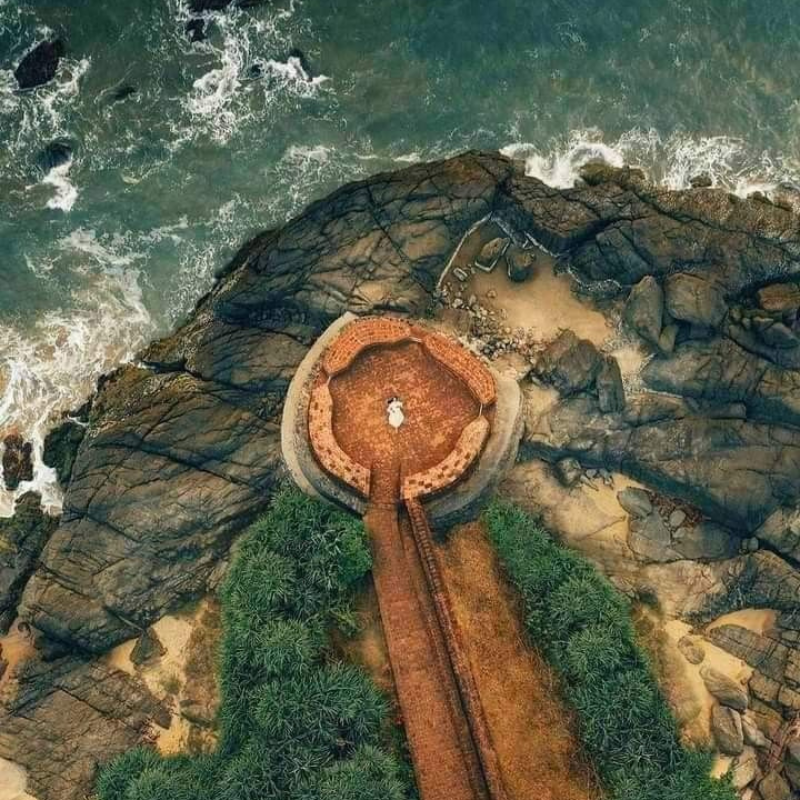
Aerial-style view of the keyhole-shaped architecture of Bekal Fort in Kasaragod.
Destinations

Kannur & Kasaragod

Kannur & Kasaragod Kannur & Kasaragod Travel Guide 2026 — Forts, Theyyam & Kerala’s Northernmost Coast Discover Kannur and Kasaragod in 2026 — Theyyam rituals, St. Angelo Fort, Bekal Fort, pristine beaches and the northernmost corner of God’s Own Country. Most Kerala itineraries stop at Kozhikode. That is understandable — Kozhikode is where the Malabar coast becomes most accessible and most discussed. However, continuing north from Kozhikode into Kannur and then into Kasaragod takes you into a part of Kerala that operates at an older frequency entirely. Kannur is the district where Theyyam — one of the most extraordinary ritual performance traditions in Asia — is not a cultural show staged for visitors but a living religious practice that happens in temple compounds across the district from October to May each year. It is also a district of handloom weavers, cashew factories, Portuguese forts, and a coastline that remains significantly less visited than the beaches of southern Kerala. Kasaragod, directly north of Kannur and bordering Karnataka, is the last district of Kerala. It is also, in many ways, the most diverse — linguistically, culturally, and geographically. Four languages are spoken here as mother tongues. The food reflects both Kerala and Karnataka influence. And at its northern edge, the Bekal Fort sits on a headland above the Arabian Sea in what is arguably the most dramatic fort setting in Kerala. Enquire Now Tours & Packages Blog1 Destinations Packages Munnar & Alleppey 3 Night, 4 Days Munnar & Alleppey 3 Night 4 Days 2 Pax Itinerary Day 1: Cochin to Munnar Pick up and proceed to… Kerala Tour Package: 7-nights, 8-days  8-Day Enchanting Kerala Escape Itinerary Day 1: Arrival at Cochin Pick up at cochin, visit Dutch palace, Jewish synagogue, chinese… Kerala Tour Package: 5-nights, 6-days 6-Day Enchanting Kerala Escape Itinerary Day 1: Arrival at Cochin Pick-up: Cochin Airport / Railway Station Proceed to hotel check-in… Kannur and Kasaragod Highlights Muzhappilangad Beach Asia’s longest drive-in beach. Parassinikkadavu Muthappan Temple Known for Theyyam rituals. Ranipuram Grasslands and shola forests (trekking). Chandragiri Fort 17th-century fort with views of the river and sea. St. Angelo Fort Massive seaside fort in Kannur. Aralam Wildlife Sanctuary Northernmost sanctuary in Kerala. Valiyaparamba Backwaters Pristine, non-commercial water stretch. Payyambalam Beach Beautifully landscaped town beach. Bekal Fort Most iconic, giant keyhole-shaped fort. Ananthapura Lake Temple Ancient temple in the middle of a lake. Kannur and Kasaragod: Where Kerala’s Coast Ends, Its Oldest Traditions Begin Kannur (also called Cannanore) was historically one of the most strategically important ports on the Malabar coast. The Portuguese recognised this immediately and built St. Angelo Fort here in 1505 — just seven years after Vasco da Gama’s first landing at Kappad. The Dutch took the fort in 1663. The British acquired it in 1790. Each colonial power recognised what the Kolathiri kings before them had already established — that Kannur controlled the northern Malabar trade corridor. That layered history gives Kannur a character different from both Kozhikode to the south and Kasaragod to the north. It is a district that has been contested, traded, and shaped by external forces for centuries — and has consequently developed a cultural identity that is assertively its own. Above all, that identity is expressed through Theyyam. Understanding Theyyam before you arrive in Kannur is therefore not optional — it is essential to understanding the district itself. Theyyam — The Living Deity Tradition That Defines Kannur Theyyam is the most important thing about Kannur. Nothing else in the district — or arguably in all of north Kerala — comes close to it in cultural significance, visual impact, or sheer experiential power. To describe Theyyam simply: it is a ritual performance tradition in which the performer, after hours of elaborate costume and makeup preparation, embodies a specific deity or ancestor spirit. The transformation is considered literal by the community — the performer is not acting the deity but becoming the deity. Devotees seek blessings directly from the performer during the ritual. The entire community participates. However, that description does not capture what it is actually like to witness. The costumes — built over wooden frames, covered in leaves, flowers, mirrors, and elaborate headgear that can stand three metres tall — are among the most extraordinary ceremonial objects in Asia. The performance involves fire, percussion, trance states, and a direct engagement with the audience that has no equivalent in any theatre or festival tradition in India. There are over 400 distinct Theyyam forms, each with its own deity, costume, ritual sequence, and associated community. The performances happen in temple compounds called kavu — small forest shrines — across Kannur and the northern Kasaragod area. They are open to all, regardless of religion or background. Entry is free. Photography is generally permitted from a respectful distance. When does Theyyam happen? The season runs from October to May, with the peak between December and February. Performances happen on specific dates determined by the temple calendar — not on a regular schedule. Therefore, finding out which kavu is performing on the days you are in Kannur requires local knowledge or a reliable local contact. How to find Theyyam performances: The most reliable method is asking your homestay host or hotel. Most accommodation providers in Kannur can tell you about performances within driving distance. Alternatively, the Kannur District Tourism Promotion Council maintains a schedule during peak season. Several local guides specialise specifically in Theyyam access — they know which performances are happening, how to reach the kavu, and the protocols for respectful observation. Most importantly: do not treat Theyyam as entertainment. It is a religious event that happens to be visually extraordinary. Observe quietly, dress modestly, and follow the lead of the community around you. Given that approach, the welcome is genuine and consistent. St. Angelo Fort — Portuguese Stone on a Kerala Headland Built by the Portuguese in 1505 on a laterite headland above Mappila Bay, St. Angelo Fort is one of the best-preserved colonial forts in Kerala. The Portuguese held it for 158

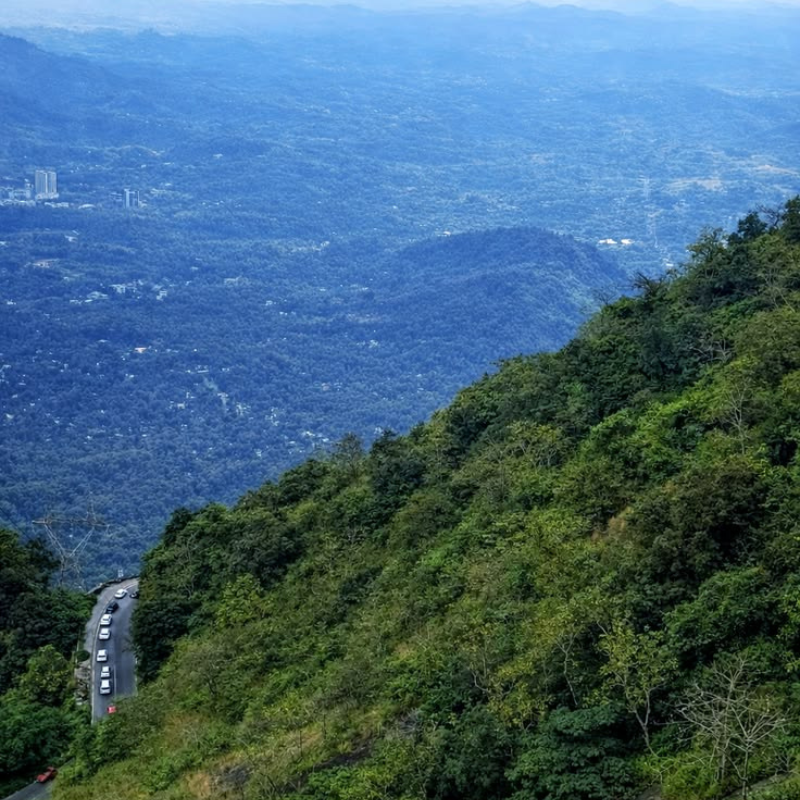
Panoramic view of the winding roads and misty mountain valleys at Lakkidi.
Destinations

Wayanad

Wayanad Wayanad Travel Guide 2026 — Hills, Wildlife, Tribes & What to Actually Expect Planning a trip to Wayanad? From Chembra Peak to Edakkal Caves, wildlife safaris to coffee estates — here is everything you need to know before you go. There is a reason Wayanad appears on almost every Kerala travel list published in the last five years. The district sits at an altitude of 700 to 2100 metres, covered in coffee and tea estates, dense rainforest, open grasslands, and mist that rolls in from the Western Ghats every evening without fail. It is, in short, the kind of place that photographs itself. However, Wayanad is also more than its photographs suggest. It is home to the largest concentration of tribal communities in Kerala. It holds some of the most significant prehistoric rock carvings in South Asia. Its forests are part of the Nilgiri Biosphere Reserve — the largest biosphere reserve in India. And its food culture, shaped by both the tribal communities and the estate workers who have lived here for generations, is unlike anything found on the Kerala coast. If your Kerala itinerary includes the southern stretch — and our 7 Nights 8 Days Kerala package does — Thiruvananthapuram is where the journey reaches its most historically rich point. This guide covers everything you need to know: what to see, how to plan your time, the best areas to stay, what to eat, and when to go. Enquire Now Tours & Packages Blog1 Destinations Packages Munnar & Alleppey 3 Night, 4 Days Munnar & Alleppey 3 Night 4 Days 2 Pax Itinerary Day 1: Cochin to Munnar Pick up and proceed to… Kerala Tour Package: 7-nights, 8-days  8-Day Enchanting Kerala Escape Itinerary Day 1: Arrival at Cochin Pick up at cochin, visit Dutch palace, Jewish synagogue, chinese… Kerala Tour Package: 5-nights, 6-days 6-Day Enchanting Kerala Escape Itinerary Day 1: Arrival at Cochin Pick-up: Cochin Airport / Railway Station Proceed to hotel check-in… Wayanad Highlights Banasura Sagar Dam India’s largest earthen dam. Soochipara Falls Three-tiered waterfall in dense forest. Muthanga Wildlife Sanctuary Part of the Nilgiri Biosphere. Meenmutty Falls Massive falls accessible via a forest trek. Edakkal Caves Neolithic rock carvings. Pookode Lake Natural freshwater lake shaped like India’s map. Thirunelli Temple The “Kashi of the South” on Brahmagiri Hills. Chembra Peak Heart-shaped lake and trekking. Kuruva Island River delta with bamboo rafting. Lakkidi View Point Gateway to Wayanad with misty views. Wayanad in 2026: The Honest Guide to Kerala’s Most Beloved Hill District Wayanad is a plateau district. Unlike Munnar, which is a single hill station town surrounded by tea gardens, Wayanad is an entire elevated landscape — a broad tableland in the Western Ghats, bordered by Karnataka to the north, Tamil Nadu to the east, Kozhikode to the west, and Malappuram to the southwest. The district has three main towns: Kalpetta (the district headquarters), Mananthavady (in the north), and Sulthan Bathery (in the east). Each functions as a base for different parts of the district. In fact, Wayanad is large enough that choosing your base thoughtfully matters — Kalpetta gives access to Chembra Peak and the western forests, Sulthan Bathery is the entry point for Edakkal Caves and Muthanga Wildlife Sanctuary, and Mananthavady sits closest to the Brahmagiri Hills and the Karnataka border forests. Most travellers stay in Kalpetta or the resort belt between Kalpetta and Vythiri. That is a reasonable choice. However, it means the eastern and northern parts of the district — often the most interesting — require longer drives. Chembra Peak — Wayanad’s Most Famous Trek At 2,100 metres above sea level, Chembra Peak is the highest point in Wayanad and one of the most popular treks in Kerala. The trail starts from Meppadi, about 8 kilometres from Kalpetta, and climbs through tea gardens, grassland, and shola forest to a heart-shaped lake near the summit — and then to the peak itself. The heart-shaped lake — locally called Hridayathadakam — sits at around 1,700 metres and is the point most trekkers photograph. It is a naturally formed lake in a grass-lined depression that holds its shape across seasons. On clear days, the view from the lake across the Wayanad plateau and the forests below is extensive. The full trek to the summit and back takes 5 to 6 hours. The trail requires a Forest Department permit, available at the base camp at Meppadi. A guide is mandatory — this is enforced, not optional. Permits are limited daily, which means arriving early is essential during peak season. However, the trek has become significantly more popular in the last three years. Consequently, weekends from November to February see large groups on the trail, which changes the experience considerably. Therefore, if possible, go on a weekday. The permit process is the same, the views are identical, and the trail is noticeably quieter. Edakkal Caves — Prehistoric Art in a Rock Fissure Thirty kilometres east of Kalpetta, near Sulthan Bathery, the Edakkal Caves are not caves in the conventional sense. They are a natural rock fissure — a long, narrow cleft in the Ambukuthi hill, formed by geological pressure over millions of years — with walls covered in petroglyphs that archaeologists date to between 6,000 and 8,000 years old. The carvings include human figures, animals, geometric patterns, and what appear to be early writing symbols that some scholars associate with the Indus Valley civilisation. Whether that connection is accurate remains debated. What is not debated is that these are among the oldest rock carvings in South Asia and that their presence in a forest hill in Wayanad raises questions about early human settlement in the Western Ghats that have not been fully answered. The climb to the caves involves about 1.5 kilometres of uphill walking on a paved path — not difficult, but steady. The narrow fissure at the top requires some agility to enter. Inside, the carvings are protected behind barriers but clearly visible. The context provided by signage inside the caves is useful. Worth

Scroll to Top