Author name: Yash Soman

Luxury resort villas overlooking the backwaters in Kumarakom
Destinations

Kumarakom

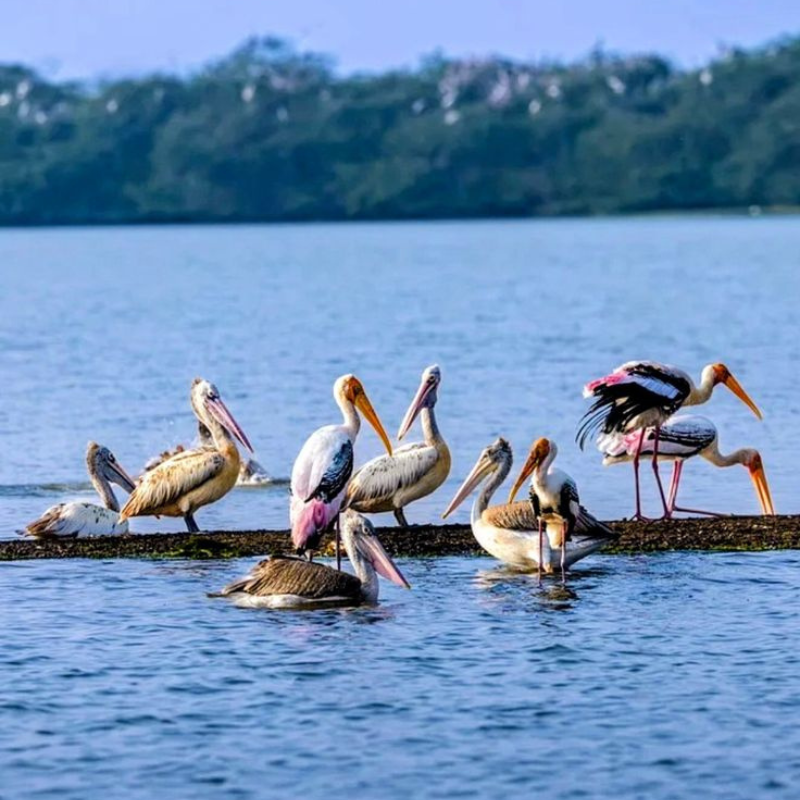
Kumarakom Kumarakom: The Luxury Mangrove Oasis on the Great Lake Perched elegantly on the eastern banks of the sprawling Vembanad Lake in the Kottayam district, Kumarakom is a globally celebrated, ultra-luxurious eco-tourism destination that showcases the absolute pinnacle of Kerala’s backwater heritage. While other regional waterfronts are defined by bustling water highways and high-volume canal networks, Kumarakom operates as a deeply serene, manicured sanctuary where clusters of small, pristine islands sit suspended amidst dense mangrove forests, blooming water lilies, and sprawling lotus lagoons. The destination gained international fame as the birthplace of India’s village tourism model and has successfully evolved into a premier destination for ultra-luxury wellness and eco-conscious travel. The banks of Kumarakom are lined with world-class, heritage-style boutique resorts that combine centuries-old Malabar architecture with ancestral Ayurvedic healing centers. For the discerning traveler, it represents a majestic, slow-paced paradise where the boundaries between land, liquid, and luxury dissolve entirely under a canopy of swaying coconut palms. Top Things to See & Do Inside: Explore the Kumarakom Bird Sanctuary Trails: Sprawling across 14 acres of lush, protected wetlands on the edge of the lake, this world-renowned sanctuary is a vital paradise for local and international birdlife. Visitors can walk along the unpaved, shaded dirt tracks that wind deep into the heart of dense rubber and mangrove woods to reach specialized elevated wooden observation towers. Standing above the tree line at dawn rewards you with magnificent views of Siberian Cranes, Herons, Pintail Ducks, and Egrets nesting across the swampy lake edges. Unwind with Premium Ayurvedic Healing Rituals: Kumarakom is a globally respected epicenter for high-end, therapeutic Ayurveda. The elite eco-resorts backing onto the lagoons feature state-of-the-art wellness chambers staffed by generational practitioners and certified physicians. Guests can step into quiet, timber-lined therapy suites to experience holistic full-body massages (Abhyangam) and specialized warm oil-dripping treatments (Shirodhara) designed to deeply restore the mind and body using organic herbs sourced from private botanical estates. Embark on a Sunset Cruise Across Vembanad Lake: Because Kumarakom opens up directly onto the widest, most dramatic expanse of Vembanad Lake, its evening boat safaris are genuinely spectacular. Boarding a traditional, low-profile luxury motorboat or a standard country canoe allows you to sail into the vast water mirror just as the sun dips below the horizon. The unobstructed view of the sky turning shades of crimson and violet over the endless water is a definitive Malabar visual masterpiece. Navigate the Floating Lotus Canals by Kayak: The inner village matrix of Kumarakom is a complex web of quiet, shallow canals completely blanketed by pink lotus blooms and wild water hyacinths. Renting a low-profile kayak or hiring a local country oarsman allows you to drift silently right past traditional water-bound homesteads. This intimate excursion offers a fantastic look at the rural daily rhythms of the local community, from fishing for pearl spot to harvesting freshwater clams. View Nearby Destinations All Events Destinations Kumarakom Pathiramanal Island Gavi Kannur & Kasaragod Wayanad Kozhikode & Malappuram Load More End of Content.
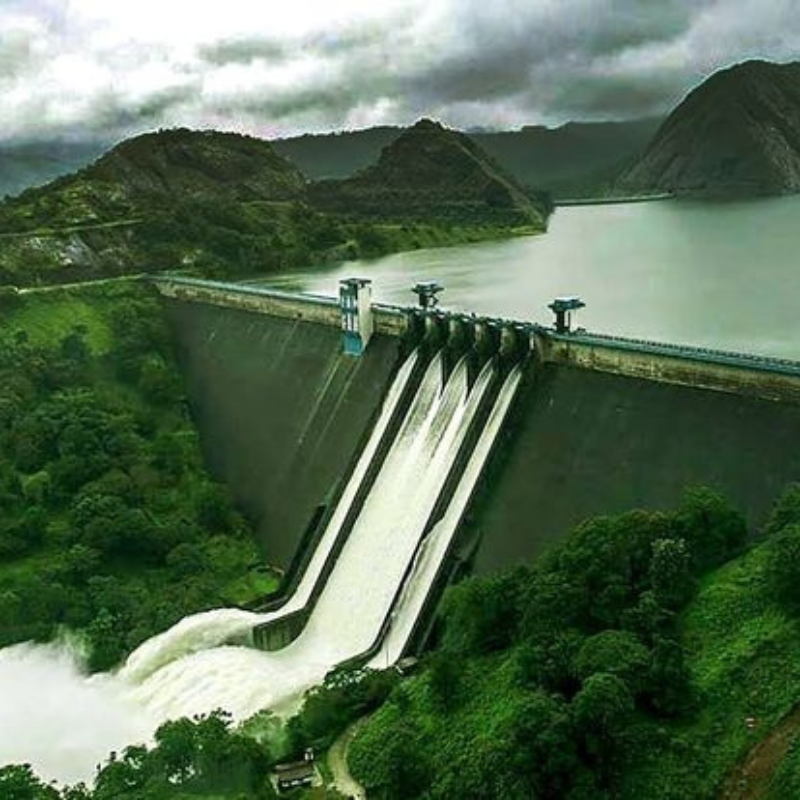
Massive concrete arch dam between two mountains in Idukki
Destinations

Idukki Arch Dam

Idukki Arch Dam Idukki Arch Dam: Magnificently spanning the deep, rugged gorge between two massive granite hills—Kuravan and Kurathi—in the heart of the Idukki district, the Idukki Arch Dam is a breathtaking testament to modern civil engineering and natural grandeur. It is the very first double-curvature parabolic concrete arch dam in Asia and stands formidably as one of the highest arch dams on the entire continent. Commissioned in 1976 with technical assistance from Canadian engineering firms, the dam was constructed across the mighty Periyar River to harness the immense water power of the mountains for hydroelectric energy. Unlike traditional straight gravity dams that rely entirely on their sheer weight to hold back water, an arch dam utilizes a curved parabolic shape to transfer the tremendous hydraulic pressure directly into the solid rock walls of the surrounding mountains. Surrounded by the dense, protected wilderness of the Idukki Wildlife Sanctuary, this majestic structure creates a sprawling, islet-dotted reservoir lake that stands as a stunning monument where human ingenuity perfectly meets the raw power of nature. Top Things to See & Do Inside: Marvel at the Engineering of the Double-Curvature Arch: The main highlight of a visit is standing before the sheer, sweeping concrete wall of the dam, which towers to a monumental height of roughly 554 feet ($168.85text{ meters}$). Looking down into the deep rocky canyon below allows you to appreciate the parabolic design that allows a relatively thin concrete structure to safely restrain billions of cubic feet of water. Cruise the Sprawling Idukki Reservoir Lake: The forest and tourism departments operate eco-friendly boating safaris across the massive reservoir lake created by the Idukki, Cheruthoni, and Kulamavu dams. Drifting across the deep blue waters offers a spectacular view of the submerged valleys, floating mist, and the skeletal remains of ancient trees rising from the water, all framed by the towering peaks of the Western Ghats. Spot Wildlife along the Sanctuary Fringes: Because the reservoir lake borders the strictly protected Idukki Wildlife Sanctuary, a boat ride or a trek along the designated paths offers excellent opportunities for wildlife viewing. Visitors can frequently spot wild elephant herds coming down to the water’s edge to drink, alongside sambar deer, gaur, wild boars, and a rich array of forest birds like the Malabar Grey Hornbill. Trek to the Hilltops of Kuravan and Kurathi Mala: For those looking to explore the local geography, guided nature trails wind up the slopes of the twin granite hills that anchor the dam. Reaching the high vantage points provides an unparalleled, birds-eye panoramic view of the massive concrete arch curve cutting through the mountain gap, with the expansive water mirror stretching endlessly into the horizon. View Nearby Destinations All Events Destinations Idukki Arch Dam Pathiramanal Island Gavi Kannur & Kasaragod Wayanad Kozhikode & Malappuram Load More End of Content.
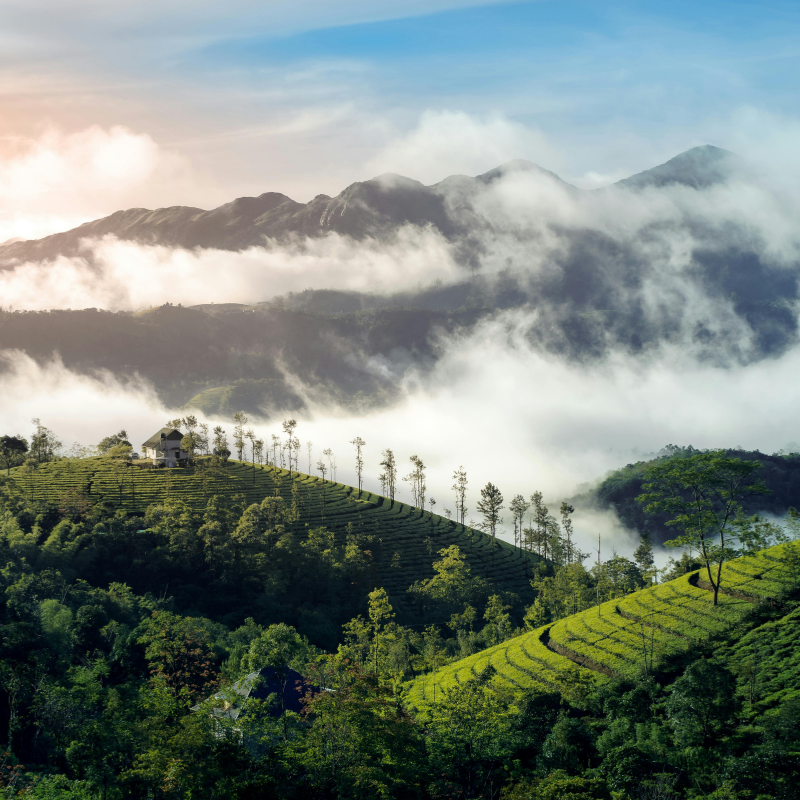
Mist-covered pine forests and green meadows in Vagamon Kerala
Destinations

Vagamon

Vagamon Vagamon: Perched serenely at an elevation of roughly 3,900 feet ($1,200text{ meters}$) above sea level, straddling the border of the Kottayam and Idukki districts, Vagamon is an offbeat, mist-shrouded hill station that feels beautifully detached from commercialized tourism lanes. Often described as the “Scotland of Asia,” this pristine upland destination is a breathtaking expanse of rolling green meadows, steep pine forests, bubbling mountain rivulets, and deep, dramatic ravines.Unlike other hill stations that rely heavily on historic plantation estates, Vagamon is celebrated for its unique geographic layout featuring three distinct, prominent hills that represent a harmony of different spiritual paths: Kurisumala, Thangal Hill, and Murugan Hill. It has successfully evolved into South India’s premier hub for eco-adventure, drawing paragliders, off-road enthusiasts, and trekkers to its sweeping, windswept slopes while maintaining an unhurried, slow-travel atmosphere. Top Things to See & Do Inside: Wander the Whispering Corridors of the Vagamon Pine Forest: Originally planted by forestry engineers during the British Raj, this massive, towering pine forest stands dramatically on a series of steep mountain slopes overlooking a deep, panoramic valley view. Walking deep into this man-made forest provides an incredible sensory experience, where the sunlight breaks through the dense canopy and the cool mountain wind creates a soft, whistling sound through the pine needles. It is a favorite location for creative photography and peaceful introspection away from busier tracks. Trek the Sacred, Misty Heights of Kurisumala Hill and Ashram: As one of the highest and most prominent peaks in the region, Kurisumala (“Mountain of the Holy Cross”) is both a challenging outdoor trek and a deeply respected spiritual destination. Devotees and hikers ascend the rugged, rocky 1.5-kilometer trail up the mountainside, passing a series of stations to reach a historic church and a monumental cross standing at the wind-whipped summit. At the foothills sits the Kurisumala Ashram, a Trappist monastery founded in 1958 that beautifully blends traditional Christian monastic life with ancient Indian spiritual customs and Gandhian principles of silent daily labor. Soar Above the Valleys on a Tandem Paragliding Expedition: is widely recognized as one of the finest paragliding destinations in South India, thanks to its wide-open hill crests and stable, predictable wind currents. Adventure seekers can run off the high launching ridges to glide thousands of feet above the sweeping emerald meadows and tea gardens during a tandem flight with certified professional pilots. The bird’s-eye view reveals the true, raw scale of the Western Ghats landscape in a high-adrenaline format. Walk the Thrilling Vagamon Glass Bridge and Adventure Park: For a modern, high-comfort thrill, visitors can visit the Vagamon Adventure Park, home to India’s longest cantilever glass bridge. Walking out onto this clear, transparent structure suspended over a massive mountain chasm offers an intense, heart-pounding view of the deep valleys directly beneath your feet. The surrounding adventure park features an array of high-energy activities, including sky cycling, ziplining across green valleys, and massive giant swings. View Nearby Destinations All Events Destinations Vagamon Pathiramanal Island Gavi Kannur & Kasaragod Wayanad Kozhikode & Malappuram Load More End of Content.
Tourists on a boat safari spotting wildlife at Periyar National Park Thekkady
Destinations

Thekkady

Thekkady Thekkady: Perched elegantly on the high plains of the Idukki district, right on the border of Kerala and Tamil Nadu, is India’s premier destination for raw wilderness and spice-scented mountain travel. While other hill stations focus heavily on manicured agricultural landscapes, this upland retreat is defined by its pristine, deep-jungle ecosystem centered around the expansive Periyar National Park and Wildlife Sanctuary, India’s oldest and most strictly protected tiger reserve. The destination operates as a magnificent natural amphitheater where thick tropical evergreen forests, deciduous woodlands, and sprawling savannas merge seamlessly with winding spice plantations. The cool mountain air here carries a heavy aroma of freshly crushed green cardamom, black pepper, clove, and cinnamon. For the traveler, it offers a distinct, high-energy eco-adventure circuit where you can transition instantly from cruising past wild elephant herds on a submerged volcanic lake to exploring traditional plantation trails and witnessing ancient martial art rituals. Top Things to See & Do Inside: Embark on the Periyar Lake Boat Safari: The definitive, quintessential experience in the region is a morning boat cruise across the artificial reservoir lake created by the historic Mullaperiyar Dam. As the boat glides past the skeletal remains of ancient trees rising from the water, visitors can view wild elephant herds, sambar deer, gaur, and smooth-coated otters coming down to the water’s edge to drink, all framed by dense, jungle-covered mountain ridges. Explore the Periyar Tiger Trail and Bamboo Rafting Paths: For active outdoor and fitness enthusiasts, the forest department organizes the Tiger Trail—an intense, overnight trekking and camping program led by reformed poachers turned forest protectors. This high-adventure trek can be combined with a bamboo rafting excursion across the remote corners of the lake, offering an intimate look deep into the heart of the evergreen wilderness where rare birds and wildlife thrive away from commercial routes. Stroll Through an Organic Spice Plantation Estate: The mountains surrounding the reserve are home to generations-old spice gardens. Taking a guided walking tour through these estates allows you to see how exotic crops like vanilla, nutmeg, allspice, and premium black pepper are cultivated, harvested, and cured using traditional methods. The onsite plantation boutiques offer an excellent opportunity to buy farm-fresh, high-grade spices directly from the source. Witness Kathakali and Kalaripayattu at Mudra Cultural Centre: To immerse yourself in the deep cultural roots of the region, the evening hours should be spent at a local heritage theater. Here, visitors can watch live performances of Kalaripayattu—widely regarded as the oldest martial art form in existence—featuring spectacular displays of weaponry and synchronized acrobatics, alongside Kathakali, the classical dance-drama of Kerala known for its elaborate makeup and expressive storytelling. View Nearby Destinations All Events Destinations Thekkady Pathiramanal Island Gavi Kannur & Kasaragod Wayanad Kozhikode & Malappuram Load More End of Content.
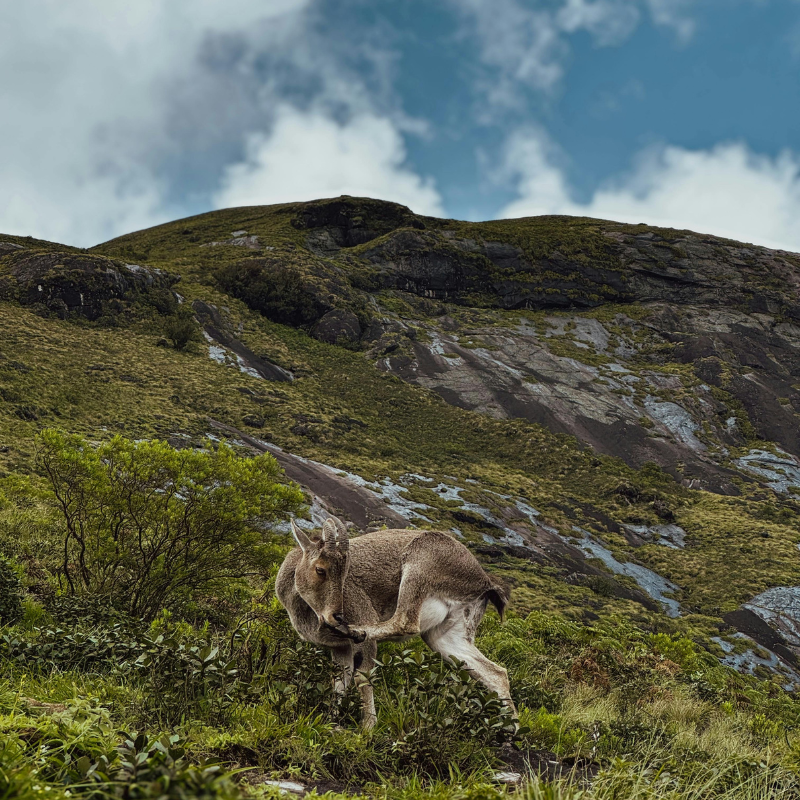
Endangered Nilgiri Tahr standing on a cliff in Eravikulam National Park
Destinations

Eravikulam National Park

Eravikulam National Park Eravikulam National Park: Perched majestically along the high-altitude crests of the Western Ghats in the Idukki district, right on the border of Munnar, Eravikulam National Park is a spectacular ecological treasure. Sprawling across an expansive 97 square kilometers of rolling grasslands and high-altitude shola forests, this pristine sanctuary is Kerala’s very first national park. It was established primarily to shield the Nilgiri Tahr (Nilgiritragus hylocrius), a rare, stocky mountain goat endemic to these southern crags, from the brink of extinction. The park is a wild world of dramatic cliff faces, deep ravines, and mist-shrouded plateaus that hover nearly 7,000 feet above sea level. It is also famously home to Anamudi, the highest peak in India south of the Himalayas, which towers formidably over the landscape. Every twelve years, this protected wilderness becomes the epicenter of a global natural phenomenon when the rare Neelakurinji (Strobilanthes kunthiana) shrubs burst into bloom, blanketing the entire mountain ecosystem in a breathtaking, endless sea of vibrant purplish-blue. For travelers, Eravikulam offers a pristine alpine escape, characterized by crisp, bone-chilling mountain breezes and close-up encounters with some of the rarest wildlife in the Indian subcontinent. Top Things to See & Do Inside: Spot the Endangered Nilgiri Tahr at Rajamala: Rajamala is the designated tourism zone of the national park and stands as the premier location in the world to observe the Nilgiri Tahr in its natural habitat. Visitors board eco-friendly, forest-department-approved safari buses that wind up the steep, mist-laden mountain tracks. From the drop-off point, a scenic, paved cliffside walking trail allows you to watch these agile mountain goats graze, leap across rocky ledges, and tend to their young, completely unbothered by human presence. Admire the Formidable Majesty of Anamudi Peak: Rising grandly within the core area of the park is Anamudi, the undisputed “Everest of South India,” towering to an impressive height of 8,842 feet ($2,695text{ meters}$). Shaped like an elephant’s forehead, this monolithic peak is a vital ecological zone shelter for rare flora and fauna. While trekking to the absolute summit is restricted to preserve the delicate ecosystem, the park’s designated viewing decks provide a sweeping, panoramic view of its sheer granite walls and the deep, green valleys of Kerala and neighboring Tamil Nadu. Trek Through the High-Altitude Shola-Grassland Ecosystem: Walking along the permitted paths of the park offers a firsthand look at a unique, ancient botanical layout. The landscape is a fascinating mix of expansive, windswept montane grasslands interrupted by patches of Sholas—stunted, tropical evergreen rainforests tucked into the sheltered valleys. These unique forest pockets are rich with endemic orchids, wild balsams, mosses, and rare birdlife like the Nilgiri Pipit and the Kerala Laughingthrush. Visit the Lakkom Waterfalls Complex: Located on the fringes of the national park along the Munnar-Marayoor road, Lakkom Waterfalls is a beautiful cascade fed by the pristine streams originating deep inside the Eravikulam sanctuary. The crystal-clear mountain water thunders down a steep, rocky cliff into a wide, shallow pool surrounded by dense forest trees. The forest department has set up clean eco-trails and a small refreshment kiosk here, making it an excellent stopover to relax your feet in the cool, refreshing mountain water. View Nearby Destinations All Events Destinations Eravikulam National Park Pathiramanal Island Gavi Kannur & Kasaragod Wayanad Kozhikode & Malappuram Load More End of Content.
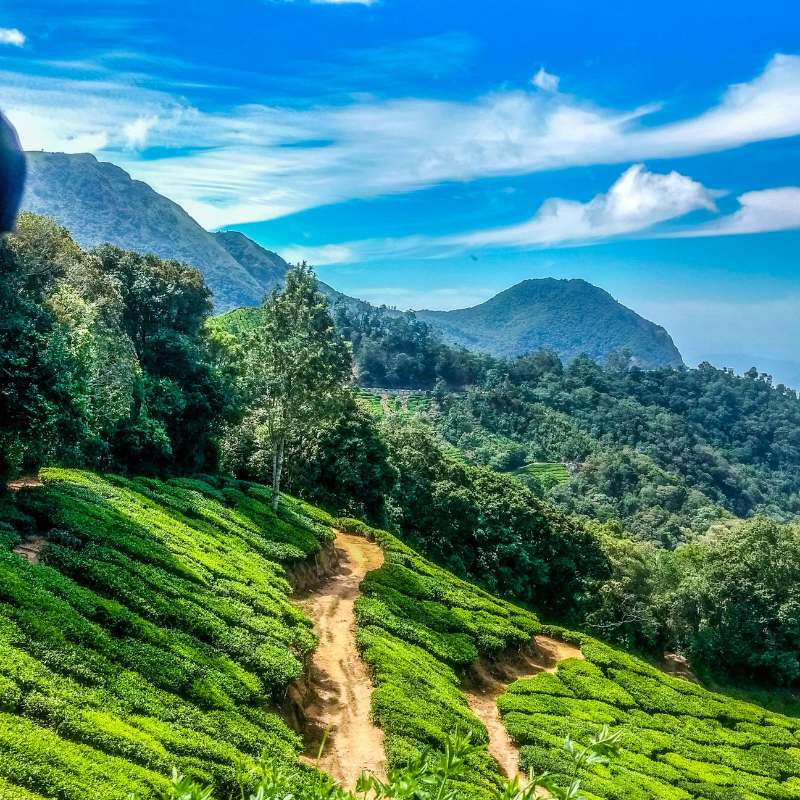
Panoramic view of rolling green tea plantations in Munnar Kerala
Destinations

Munnar

Munnar Munnar: The Mist-Shrouded Crown of the Western Ghats Perched majestically at an elevation of roughly 5,200 feet above sea level in the Idukki district, Munnar is the undisputed crown jewel of Kerala’s hill stations. The name Munnar translates literally to “Three Rivers” in Malayalam, signifying its unique geographic position at the confluence of three mountain torrents: Mudrapuzha, Nallathanni, and Kundaly. Once the favored summer resort of the British International Administration in South India, Munnar is defined by its vast, rolling carpet of manicured tea plantations that drape over the contours of the hills like an endless emerald blanket. Surrounded by wild, mist-shrouded crags, towering waterfalls, and protected wildlife sanctuaries that shelter endangered species, Munnar offers an alpine escape from the coastal plains. For travelers, it is a world where days begin with crisp, bone-chilling mountain air and end with the aroma of freshly brewed orthodox tea against a backdrop of lavender-colored sunset peaks. Top Things to See & Do Inside: Explore Eravikulam National Park and Spot the Nilgiri Tahr: Sprawling across the high-altitude crests of the Kannan Devan Hills, this pristine national park is the proud sanctuary of the Nilgiri Tahr, an endangered, stocky mountain goat endemic to these southern crags. Visitors can board eco-friendly forest department buses to ascend the mist-laden slopes, walking along paved cliffside trails to watch these rare, agile animals graze completely unbothered by human presence. The park is also famous for the Neelakurinji flower, which blankets the hills in a sea of vibrant blue once every twelve years. Stand on Top of South India at Anamudi Peak: Rising formidably within the boundaries of Eravikulam National Park stands Anamudi, the highest peak in India south of the Himalayas, towering at an impressive height of 8,842 feet ($2,695text{ meters}$). While the absolute summit is a restricted ecological zone to protect rare flora, the designated viewing points offer a sweeping, panoramic view of the deep valleys, evergreen forests, and neighboring Tamil Nadu plains, making it a dream backdrop for landscape photography. Visit the Tata Tea Museum and Heritage Factory: Located at the Nallathanni Estate, this specialized industrial museum offers a fascinating look into the evolution of Munnar’s century-old tea culture. The gallery displays vintage machinery, hand-operated tea rollers, and colonial-era photographs tracking the region’s transition from an untamed jungle to a structured agro-enterprise. The tour concludes with an educational tea-tasting session where experts teach you how to identify the subtle flavor profiles of premium leaf grades. Experience the Echo Phenomenon at Mattupetty Dam: Built in the late 1940s as a key component of the Pallivasal Hydro-electric project, this massive concrete gravity dam stores a beautiful, sprawling reservoir lake surrounded by dense pine forests and tea estates. Visitors can rent speedboats to cruise across the deep blue waters or walk along the adjoining “Echo Point” slopes, where shouting your name across the mountain reservoir causes it to bounce off the natural rock amphitheater and echo back with pristine clarity. View Nearby Destinations All Events Destinations Munnar Pathiramanal Island Gavi Kannur & Kasaragod Wayanad Kozhikode & Malappuram Load More End of Content.
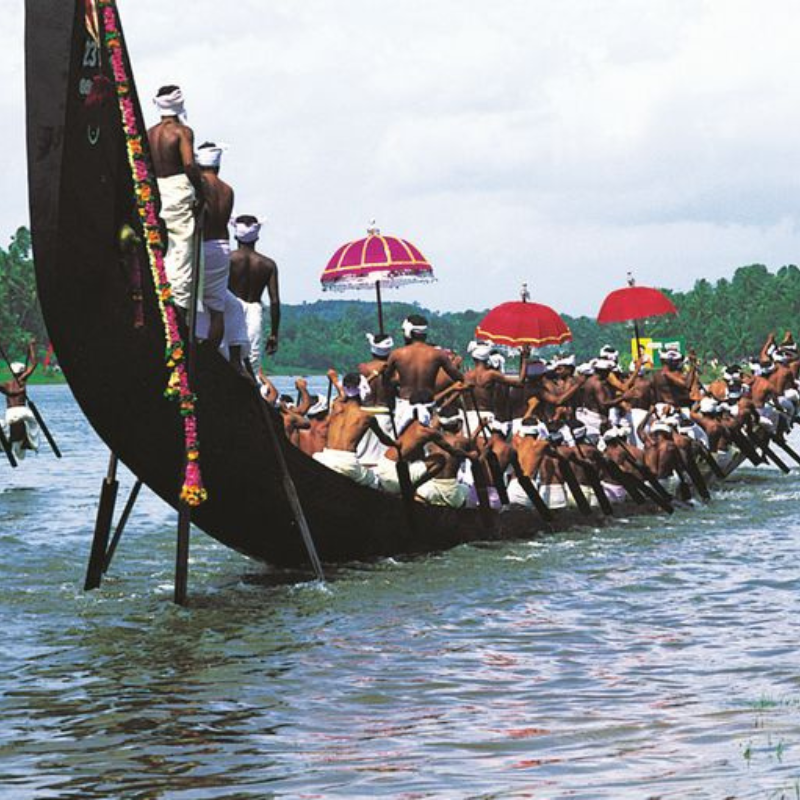
Chundan Vallam snake boats racing on Punnamada Lake
Destinations

Punnamada Lake

Punnamada Lake Punnamada Lake: Punnamada Lake is a magnificent, sprawling extension of the massive Vembanad Lake system—India’s longest lake—located right in the heart of the Alappuzha district. While many of Kerala’s serene backwater reaches are celebrated exclusively for their slow, whispered tranquility, Punnamada Lake stands out as a high-energy aquatic arena where local water culture transforms into an explosive, world-famous sporting spectacle. The lake is a vital watery highway, constantly buzzing with traditional country boats, local fishing skiffs, and massive, thatched-roof luxury houseboats (Kettuvallams) navigating its wide, palm-fringed channels. However, its identity is permanently anchored in global maritime culture as the official, historic venue for the legendary Nehru Trophy Boat Race. It is a place where the quiet rhythm of rural wetland life regularly gives way to an overwhelming sensory display of synchronized athletic power, ancestral pride, and the thunderous cheers of hundreds of thousands of spectators lined up along its liquid banks. Top Things to See & Do Inside: Witness the Thunder of the Nehru Trophy Boat Race: If your travel dates align with the second Saturday of August, Punnamada Lake transforms into the most exhilarating destination in South India. This world-renowned cultural phenomenon features the majestic Chundan Vallams (snake boats)—100-foot-long wooden vessels powered by over a hundred synchronized oarsmen slicing through the water at breakneck speeds to the rhythm of classical boat songs (Vanchippattu). The electric atmosphere, splashing water, and echoing chants create an unforgettable visual and auditory spectacle. Embark on a Luxury Houseboat Cruise: Punnamada Lake serves as the premier launching pad and gateway for overnight luxury houseboat expeditions into the deeper Alappuzha backwater circuits. Boarding a traditionally crafted Kettuvallam at the jetties lining this lake allows you to glide past vast, low-lying emerald rice fields and ancient waterfront villages while an onboard chef prepares authentic Malabar delicacies like fresh-caught pearl spot fish. Kayaking and Canoeing Along the Lake Fringes: For a closer, more intimate look at the lake’s rich ecosystem, you can rent a low-profile kayak or a traditional country canoe. Paddling along the quieter, hyacinth-fringed edges of Punnamada allows you to watch local inland fishermen cast nets from narrow skiffs, view flocks of migrating waterfowl, and observe the unique, water-bound daily routines of the coastal communities living on the lake’s perimeter. Stroll the Punnamada Waterfront Promenade: The mainland banks bordering the starting point of the grand race tracking system feature beautifully designed, paved walking tracks and scenic view spots. Taking an evening stroll along this waterfront promenade offers a fantastic vantage point to watch massive houseboats sail into the sunset, with the vast expanse of the lake framing a classic, unobstructed Malabar horizon. View Nearby Destinations All Events Destinations Punnamada Lake Pathiramanal Island Gavi Kannur & Kasaragod Wayanad Kozhikode & Malappuram Load More End of Content.
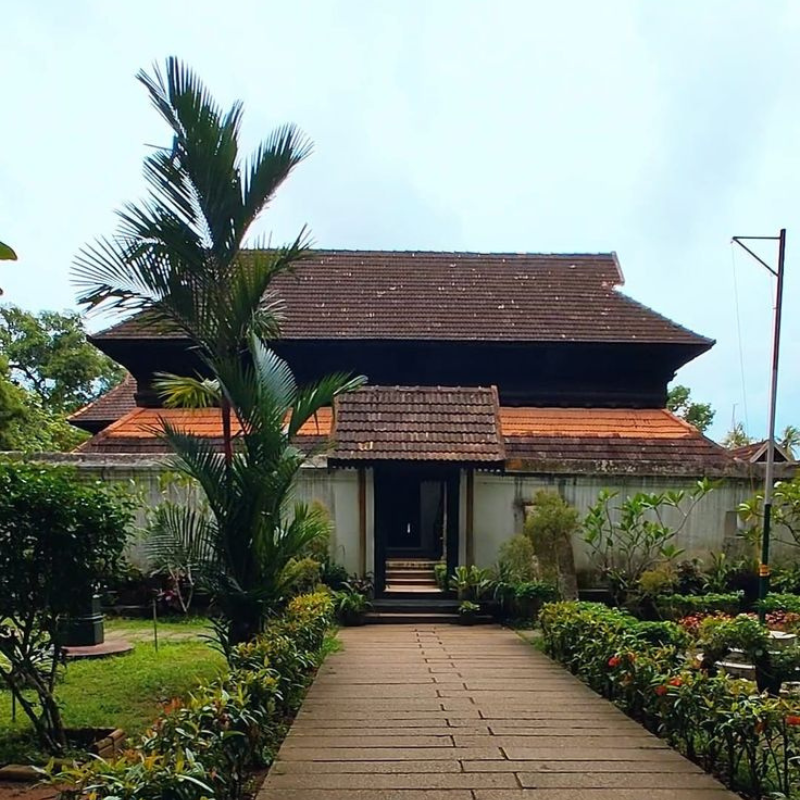
Exterior of Krishnapuram Palace showing gabled roofs and Kerala murals
Destinations

Krishnapuram Palace

Krishnapuram Palace Krishnapuram Palace: Nestled amidst beautifully landscaped lawns in Kayamkulam, roughly 47 kilometers from Alappuzha town, the Krishnapuram Palace is a spectacular architectural jewel that epitomizes the heritage of the Kingdom of Travancore. Built during the 18th-century reign of the legendary king Marthanda Varma following his historic conquest of the local Odanad kingdom, this grand fortress is an exquisite example of traditional Pathinarukkettu (sixteen-complex courtyard) residential architecture. Featuring steep, gabled tiled roofs, narrow corridors, thick low ceilings, and intricate dormer windows (Chithravalavukal), the palace was engineered to stay naturally cool while providing high tactical security against invasions. Today, meticulously preserved by the Kerala State Archaeology Department, this sprawling timber-and-stone complex has been transformed into an elite Archaeological Museum. It serves as a fascinating portal for travelers, showcasing an incredible array of ancient weaponry, numismatic treasures, and the crown jewel of ancient Malabar art: the largest single panel of mural painting found anywhere in Kerala. Top Things to See & Do Inside: Marvel at the Monumental Gajendra Moksham Mural: The absolute masterpiece of the palace is the breathtaking Gajendra Moksham mural painting, measuring a massive $14 times 11$ feet. Celebrated as the largest single piece of wall art in Kerala heritage, this 18th-century painting decorates a wall directly facing a small pond where the royals performed their ritual ablutions. Rendered entirely using organic, plant-based pigments and natural stone dyes, it dynamically depicts the Puranic mythological story of Lord Vishnu descending on his divine mount, Garuda, to save the elephant king Gajendra from the clutches of a monstrous crocodile. Explore the Ancient Weapons and Coins Gallery: For history and military enthusiasts, the palace chambers house a rare and formidable armory from the medieval Malabar era. Visitors can inspect heavy double-edged swords used by Travancore warriors, ceremonial daggers, brass cannons, and uniquely curved pocket knives. The attached numismatic collection features ancient coins from the region, including Rasi and Anantharayan Panam, alongside ancient Roman coins that highlight the deep, historic trade routes of the coastal spice network. Admire the Sacred Kayamkulam Vaal (The Double-Edged Sword): Displayed prominently within the museum is the legendary Kayamkulam Vaal, a unique, highly specialized double-edged sword designed and wielded by the rulers and elite warriors of the Odanad kingdom. Featuring a razor-sharp, tapered blade that is flexible yet incredibly strong, this weapon represents a pinnacle of local metallurgical craftsmanship. Learning about its distinct combat style from the museum curators offers a rare look into the martial arts history of medieval South Kerala. Stroll Through the Palace Pond and Botanical Gardens: The exterior of the palace is just as captivating, featuring a massive, step-cut ritual bathing tank (Kulam) situated right in the center of the estate. The calm waters reflect the intricate wooden lattices of the gabled palace facade. Surrounding the pool are beautifully manicured heritage gardens rich with exotic medicinal plants, ancient banyan trees, and a specialized Pavilion displaying rare, weathered stone sculptures and ancient stone inscriptions dating back centuries. View Nearby Destinations All Events Destinations Krishnapuram Palace Pathiramanal Island Gavi Kannur & Kasaragod Wayanad Kozhikode & Malappuram Load More End of Content.
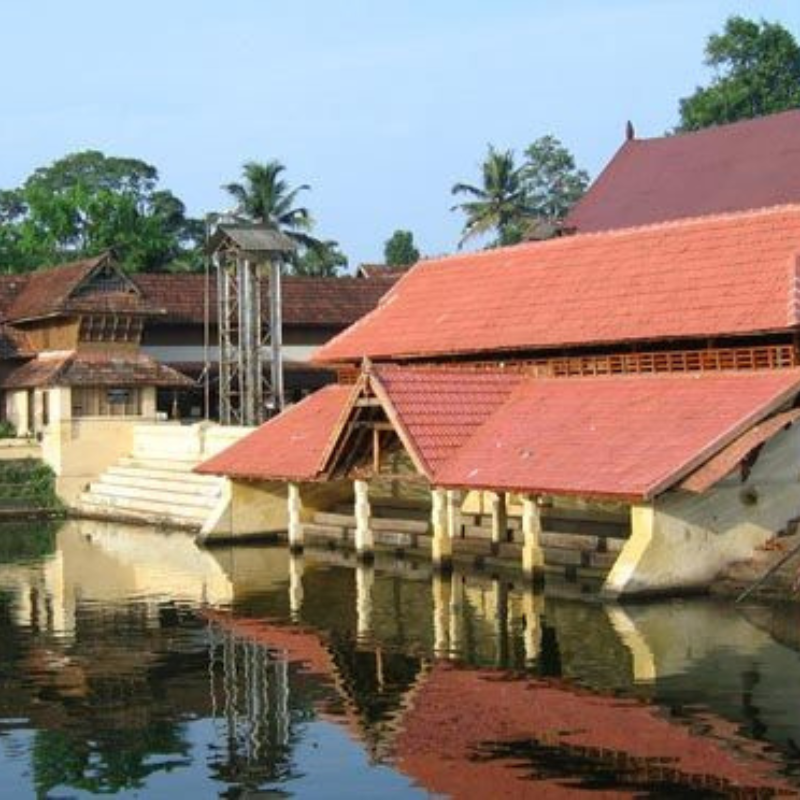
Traditional Kerala architecture of Ambalappuzha Krishna Temple
Destinations

Ambalappuzha Krishna Temple

Ambalappuzha Krishna Temple Ambalappuzha Krishna Temple: Nestled in the historic town of Ambalappuzha, roughly 14 kilometers south of Alleppey city, the Ambalappuzha Sri Krishna Temple is one of the oldest, most structurally pristine, and culturally significant shrines in Kerala. Built in the classic Kerala style of temple architecture between the 15th and 17th centuries AD by the local ruler Chembakassery Pooradam Thirunal Devanarayana Thampuran, this sweeping spiritual complex is deeply woven into the historical fabric of the Malabar coast. The temple is dedicated to Lord Krishna, worshipped here in his charming, dynamic form as Parthasarathy—the divine charioteer of Arjuna. The shrine holds a sacred place in historical lore; during the 1789 military campaigns of Tipu Sultan, the sacred idol of Guruvayur Temple was secretly brought and sheltered here for safe keeping, deep within Ambalappuzha’s heavy stone walls. For travelers, it offers an unhurried journey into the heart of living ancient heritage, defined by magnificent gabled wood craftsmanship, fine murals, and a legendary culinary legacy that has drawn kings and commoners alike for centuries. Top Things to See & Do Inside: Taste the Legendary Ambalappuzha Palpayasam: The absolute defining cultural and culinary highlight of the temple is its Palpayasam, a sweet milk-and-rice pudding widely regarded as the most famous temple offering in India. Prepared daily by traditional heritage cooks inside the sacred kitchen (Thidappally), this legendary delicacy is slow-boiled for hours over burning firewood using a precise, centuries-old formula of fresh milk, premium rice, and pure sugar. The resulting pudding has a unique, distinct pinkish-gold tint and a rich, concentrated caramelized flavor that cannot be replicated by modern cooking methods. Admire the Classic Koothambalam and Architecture: The temple complex is a masterclass in ancient Malabar engineering. Walking through the imposing entry gateway opens up to a vast, stone-paved inner courtyard featuring the Koothambalam—a grand, traditional temple theater with sloping copper-tiled roofs and intricately carved wooden pillars. This sacred space is where classical ritual performing arts like Chakyar Koothu and Koodiyattam have been staged for generations, surrounded by walls decorated with subtle brass lamps and historic wood carvings. View the Sacred Temple Pond and Walkways: Directly bordering the main structural matrix is a massive, pristine ritual bathing tank (Ambalakkulam). Fringed by steps of solid granite stone and shaded by old banyan trees, the placid waters reflect the steep wooden gables of the main sanctum. Strolling along the outer circumambulation tracks (Pradakshina Vazhi) during the early morning or evening hours allows visitors to experience the calming, hypnotic sensory mix of chanting, blowing conch shells, and the aroma of burning camphor. Witness the Grand Ambalappuzha Arattu Festival Pageantry: If your travel dates align with the Malayalam month of Meenam (typically March or April), the temple transforms into a high-energy arena for its annual 10-day Arattu festival. This grand celebration features spectacular, synchronized processions of caparisoned temple elephants decked out in glittering gold forehead ornaments (Nettipattam). The festival is also celebrated as the home of Ambalappuzha Velakali, a spectacular, ancient martial dance performed by men dressed as warriors holding swords and shields, enacting mythological battle scenes. View Nearby Destinations All Events Destinations Ambalappuzha Krishna Temple Pathiramanal Island Gavi Kannur & Kasaragod Wayanad Kozhikode & Malappuram Load More End of Content.

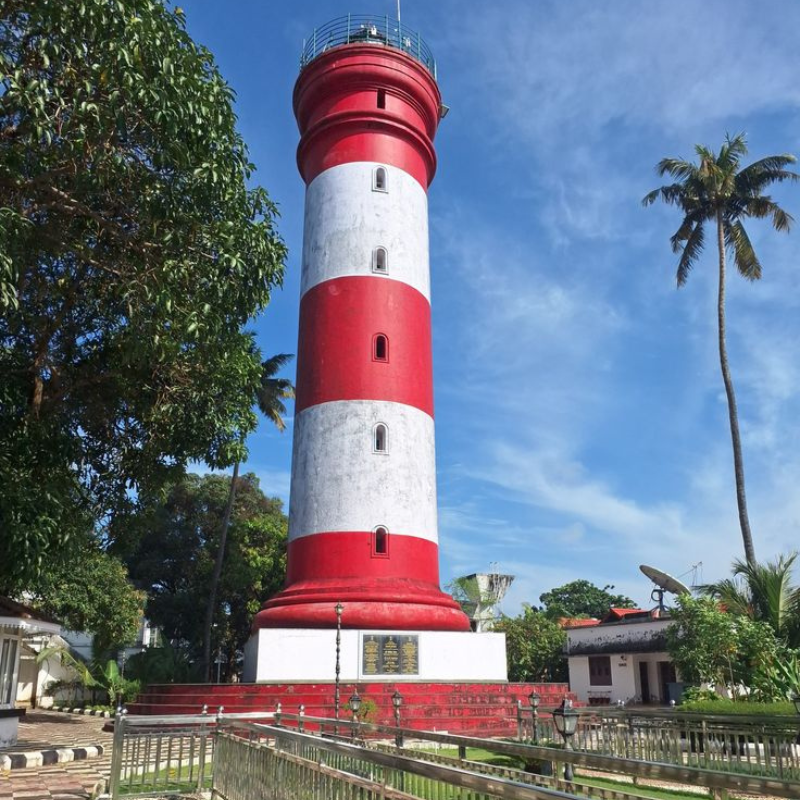
The historic old pier and lighthouse at Alappuzha Beach
Destinations

Alappuzha Beach

Alappuzha Beach Alappuzha Beach: Stretching elegantly along the western edge of the Alappuzha district, Alappuzha Beach (also known as Alleppey Beach) is a spectacular coastal destination where rich colonial maritime history meets modern leisure. While the inner backwaters of the region are celebrated for their slow-moving canal life, the beach represents the raw, sweeping boundary where Kerala meets the vast expanse of the Arabian Sea. Historically, this coast was one of the busiest marine gateways in Southern India. Designed by the visionary 18th-century prime minister Raja Kesavadas, the port town of Alappuzha welcomed merchant ships from across the globe to load up on exotic spices, coir, and timber. Today, the beach is an expansive, buzzing urban parkway featuring a sprawling golden shoreline, a lively seaside promenade, and an array of historic architectural relics that tell the tale of its glorious seafaring past. It is the ultimate spot for travelers to transition from a quiet backwater houseboat cruise to the high-energy environment of a classic Indian coastal sunset. Top Things to See & Do Inside: Walk Along the Historic 160-Year-Old Sea Pier: The absolute defining landmark of Alappuzha Beach is the skeletal remains of its ancient iron-and-wood sea pier. Built in 1862 by Captain Hugh Crawford to facilitate the smooth loading of cargo onto international ships, this weather-beaten structure extends directly into the crashing waves. Walking up to the base of these rusted, historic pillars provides a striking visual connection to the beach’s colonial trading era and serves as one of the most photographed backdrops on the Malabar Coast. Explore the Alappuzha Lighthouse Precinct: Towering just a short walk from the shoreline sits the majestic Alappuzha Lighthouse. Commissioned in 1862, this 92-foot-tall brick-and-stone tower is instantly recognizable by its bold red-and-white stripes. Visitors can climb the internal winding stairs to reach the outdoor observation deck, which rewards the climb with breathtaking, birds-eye panoramic views of the entire golden coastline, the coastal railway line, and the endless canopy of the city’s coconut plantations. Relax at the Vijaya Beach Park and Promenade: Built directly onto the northern edge of the beach sands, this beautifully manicured municipal park is an exceptional asset for families and evening strollers. The park features landscaped walking paths, shaded seating areas, a children’s playground, and a small boating pool. The adjoining beach promenade comes alive every evening with local street vendors selling spicy Malabar delicacies, fresh seafood fries, and Kulukki Sarbaths (shaken lime drinks). Visit the Eco-Conscious Amaze World Entertainment Hub: Situated right next to the beach park, this modern indoor-outdoor recreational facility offers a great diversion for families traveling with children. Amaze World features a fully air-conditioned 9D theater, interactive virtual reality gaming zones, a mirror maze, and a pristine soft-play area. It serves as an excellent, high-comfort alternative when the afternoon sun on the open beach sands becomes too intense. View Nearby Destinations All Events Destinations Alappuzha Beach Pathiramanal Island Gavi Kannur & Kasaragod Wayanad Kozhikode & Malappuram Load More End of Content.

Scroll to Top