Author name: Yash Soman

Destinations

Kottakkal Arya Vaidya Sala

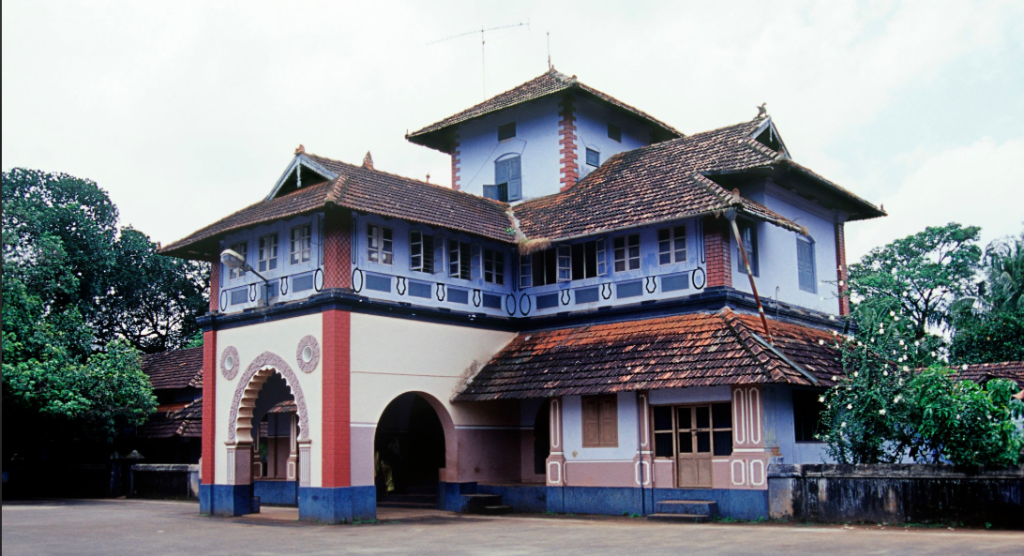
Kottakkal Arya Vaidya Sala Kottakkal Arya Vaidya Sala: Located in the serene town of Kottakkal in the Malappuram district, Vaidyaratnam P.S. Varier’s Arya Vaidya Sala (AVS) is a world-renowned, premier charitable institution dedicated to the preservation, scientific research, and authentic practice of Ayurveda. Founded on October 12, 1902, by the visionary physician, scholar, and philanthropist Vaidyaratnam P.S. Varier, this iconic establishment single-handedly led the modern renaissance of Indian classical medicine during a period of colonial decline. Managed strictly as a Charitable Trust since 1944 following the provisions of its founder’s will, AVS has transformed from a modest village clinic into a sprawling, multi-disciplinary global healthcare ecosystem. It seamlessly integrates a state-of-the-art Ayurvedic Hospital and Research Centre, advanced GMP-certified manufacturing plants producing over 550 classical formulations, organic medicinal plant estates, and high-tier academic journals. It serves as a sacred haven for healing, drawing heads of state, international scholars, and thousands of global travelers seeking pure Panchakarma therapies and holistic wellness solutions. Top Dimensions & Highlights: The Flagship Ayurvedic Hospital & Research Centre (AH&RC): The absolute crown jewel of the institution is its 300-bed referral hospital complex. Renowned globally for its unparalleled therapeutic protocols, the facility specializes in managing complex, chronic conditions like rheumatoid arthritis, neuromuscular disorders, stroke rehabilitation, and spinal ailments. Patients undergo personalized, deeply rigorous routines involving traditional Kerala preparatory procedures (Pizhichil, Navarakizhi) paired with classical Panchakarma purification methodologies. The Charitable Hospital Wing & Philanthropic Mission: True to its founding charter, AVS operates an expansive, 140-bed full-service Charitable Hospital right on campus. This facility provides entirely free medical consultations, accommodation, clinical research beds, and specialized Ayurvedic medicines to economically marginalized populations, ensuring that ancient holistic healing remains completely accessible to all rungs of society. The P.S.V. Natyasangham (Preeminent Kathakali Academy): Understanding that classical art and healing share a common cultural soul, the founder established a classical Kathakali academy within the trust framework. The P.S.V. Natyasangham is globally respected for its strict, unadulterated adherence to the orthodox tenets of performance training. The academy has produced some of India’s most legendary Kathakali maestros and musicians, who regularly perform during institutional events. The AVS Medicinal Plant Demonstration Gardens & Museum: Spread across massive, well-documented tracts of land, the institution manages over 220 acres of dedicated botanical gardens showcasing hundreds of rare, vulnerable, and endemic medicinal herbs. Visitors can tour these conservation blocks to learn about modern tissue culture and phytochemistry research, or visit the Arya Vaidya Sala Museum (established in 2002) to view the personal archives of P.S. Varier and trace the historic evolution of Ayurvedic pharmacology. View Nearby Destinations All Events Destinations Kottakkal Arya Vaidya Sala Beypore Kappad Beach Kozhikode Beach Pathiramanal Island Gavi Load More End of Content.
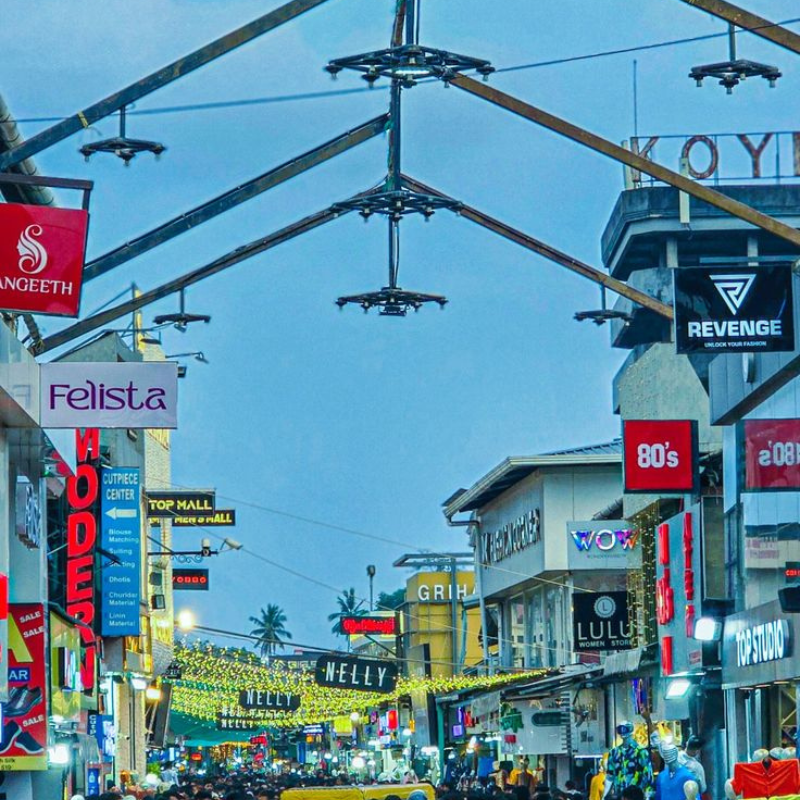
Bustling crowd and colorful shops on Sweet Meat Street Kozhikode
Destinations

S.M. Street (Sweet Meat Street)

S.M. Street (Sweet Meat Street) S.M. Street (Sweet Meat Street): Located in the absolute center of Kozhikode city, S.M. Street, short for Sweet Meat Street (locally celebrated as Mittai Theruvu), is one of the oldest, most vibrant, and culturally rich shopping thoroughfares in India. The street’s colorful history traces back over 600 years to the era of the Zamorins (the hereditary monarchs of Calicut). The ruler explicitly invited Gujarati sweet makers and cloth merchants to settle here, clustering their shops along a single bustling lane to serve the royal palace and international spice traders. When European sailors—most notably the British—landed on these shores, they mistook the giant blocks of the local orange-hued, translucent Halwa for “Sweet Meat,” a popular archaic English term for confectionery. The name stuck, cementing “Sweet Meat Street” onto maritime trading maps. Today, the entire street has been beautifully restored into a pedestrian-only heritage zone. Flanked by colonial-era facades, vintage clock towers, and hundreds of tightly packed shops, it stands as a bustling paradise where Malabar’s rich literary heritage, old-world trade charm, and legendary culinary flavors come alive. Top Things to See & Do Inside: Savor the Legendary Kozhikodan Halwa Varieties: The definitive highlight of visiting the street is exploring its iconic sweet shops, some of which have been operating for over a century. You can watch sweet-makers slicing giant, glossy rounds of authentic Kozhikodan Halwa. Prepared traditionally in massive copper cauldrons over wood fires using pure coconut oil, jaggery, and spices, it comes in a spectacular spectrum of flavors ranging from classic tender coconut (Elaneer) and jackfruit to rich ghee, banana, and fiery chili variants. Shop for Crisp, Freshly Fried Malabar Banana Chips: S.M. Street is a major hub for authentic Malabar snacks. Step into the active snack-frying outlets to watch workers expertly slicing raw Nendran bananas directly into massive woks bubbling with pure, aromatic coconut oil. Purchasing a hot, golden batch of these perfectly thin, lightly salted banana chips (Kaya Varuthathu) or sweet jaggery-coated banana chunks (Sarkara Varatti) is a mandatory ritual for every traveler. Trace the Literary Footsteps of S.K. Pottekkatt: Kozhikode is a UNESCO City of Literature, and S.M. Street is its grand creative epicenter. The entrance of the street features a beautiful, life-sized bronze statue of the legendary Jnanpith Award-winning novelist S.K. Pottekkatt, whose masterpiece novel “Oru Theruvinte Katha” (The Story of a Street) was explicitly based on the colorful characters, merchants, and daily life of this exact lane. Hunt for Traditional Khadi, Textiles, and Handloom: Branching off the sweet shops are historic textile markets and government-approved handloom emporiums. Visitors can walk down narrow, roofed alleyways to browse a massive selection of traditional Kerala Kasavu Mundu (gold-bordered handloom attire), authentic Calicut cotton dress materials, traditional Gujarati block prints, and handcrafted sandalwood carvings at highly economical prices. View Nearby Destinations All Events Destinations S.M. Street (Sweet Meat Street) Beypore Kappad Beach Kozhikode Beach Pathiramanal Island Gavi Load More End of Content.
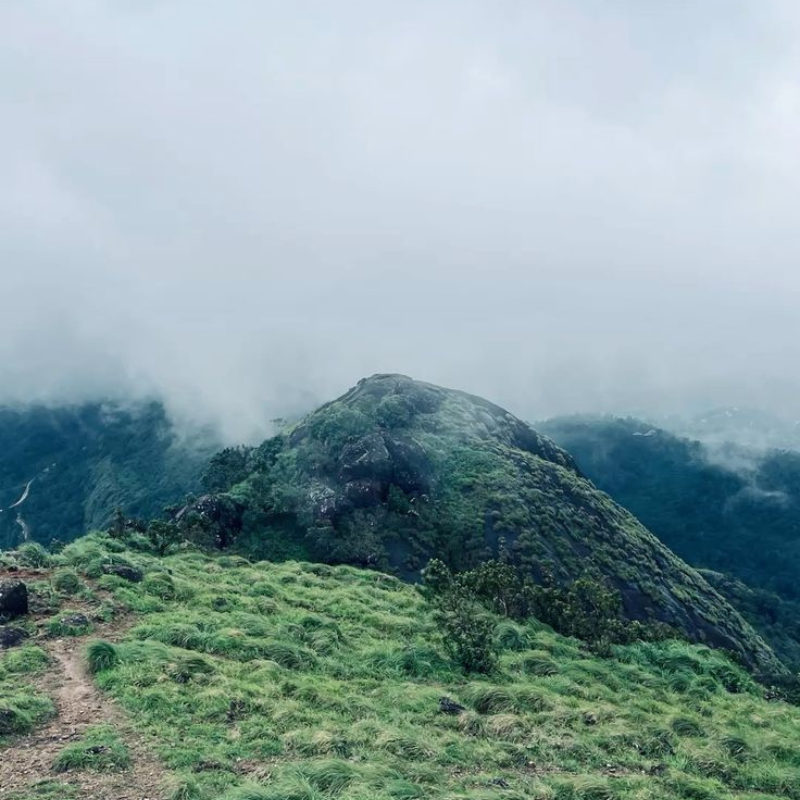
Panoramic misty mountain view from Kakkadampoyil hill station
Destinations

Kakkadampoyil

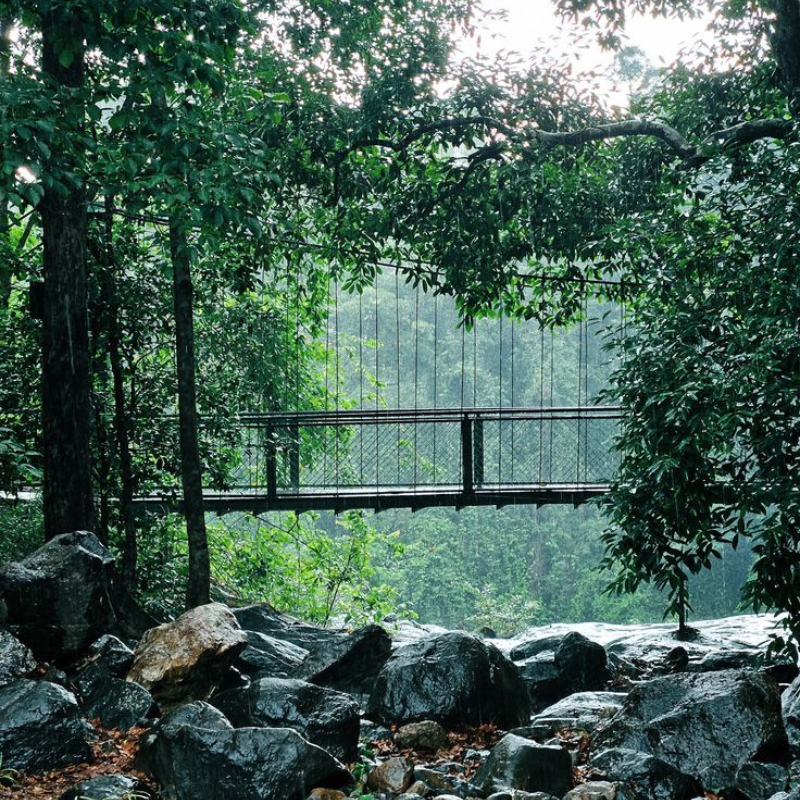
Kakkadampoyil Kakkadampoyil: Perched at an elevation of over 2,200 feet along the misty, rugged border dividing the Kozhikode and Malappuram districts, Kakkadampoyil is one of the most rapidly growing, offbeat hill stations in North Kerala. Affectionately crowned the “Ooty of Malabar” or “Mini Gavi” by back-packers, this serene mountaintop hamlet is wrapped in deep Western Ghats forests, unmapped freshwater springs, large rubber and spice estates, and a cool, refreshing microclimate that remains crisp and foggy throughout the year. Historically, Kakkadampoyil functioned primarily as a quiet, isolated agricultural outpost settled by high-range migrant farmers. Today, it has evolved into a captivating escape for road-trippers and city dwellers escaping the heat of the Malabar plains. The journey up from Mukkam or Nilambur navigates a series of steep, winding mountain roads flanked by towering valleys. The destination offers a raw, low-commercial alternative to heavily trafficked hill stations, seamlessly balancing high-altitude adventure with peaceful plantation retreats. Top Things to See & Do Inside: Unwind at the Stunning Kozhippara Waterfalls: Situated right on the district boundary, Kozhippara Waterfalls (often called the Kakkadampoyil Waterfall) is the region’s signature natural asset. Fed by the crystal-clear currents of the Kuthradampuzha River, the water cascades gracefully over a series of massive flat boulders into a large, shallow natural rock pool. Maintained carefully by the Forest Department, the base pool features calm currents, making it highly popular for safe river swimming, rock walking, and relaxing family picnics. Trek Through History to the Pazhassi Caves: Located roughly 4 kilometers away near Nayadam Poyil, this hidden geological treasure holds massive historical weight. Legend states that the legendary king and freedom fighter, Veera Pazhassi Raja (the Lion of Kerala), utilized this secluded forest cave network as a critical military hideout while waging guerrilla warfare against British colonial forces in the late 18th century. Reaching the massive boulder caves requires an immersive 2-kilometer jungle trek through deep meadows and dense overgrowths. Scale the Misty Ridge of Kurishumala Viewpoint: For panoramic, 360-degree views of the sprawling valley below, travelers can climb the steep trail up to Kurishumala. Rising sharply above the tree lines, the final ascent features protective hand-chains bolted directly into the stone face to help hikers traverse the slick granite steps. Reaching the breezy summit—marked by a solitary hilltop cross—rewards you with a spectacular viewpoint where rolling green mountains melt directly into incoming banks of thick white clouds. Spend an Afternoon at the Foggy Mountain Adventure Parks: Perfect for families traveling with children, the mountaintop features specialized eco-adventure parks integrated into the natural slopes. These facilities feature active zip-lines, open-air mountain-view swimming pools, rope bridges, and mini-boating channels. They allow families to enjoy light adventure sports while completely surrounded by the rolling mists and crisp mountain breezes that define the hilltop. View Nearby Destinations All Events Destinations Kakkadampoyil Beypore Kappad Beach Kozhikode Beach Pathiramanal Island Gavi Load More End of Content.
Scenic three-level waterfall at Thusharagiri surrounded by lush greenery
Destinations

Thusharagiri Waterfalls

Thusharagiri Waterfalls Thusharagiri Waterfalls: Tucked away in the dense, evergreen folds of the Western Ghats near Kodenchery in the Kozhikode district, Thusharagiri Waterfalls is a premier ecotourism destination in North Kerala. The name Thusharagiri translates literally to “Snow-Capped Mountains”—a poetic reference to the thick, silvery mist that rises continuously as the rushing waters crash down rocky precipices, creating the illusion of snow amid a lush tropical jungle. The magic of Thusharagiri begins at the confluence of two mountain streams originating deep in the Western Ghats, which merge to form the vibrant Chalippuzha River. This roaring river then fractures into a dramatic series of three main waterfalls stacked vertically along a steep forest canyon: Erattumukku, Mazhavil Chattom (Rainbow Falls), and the towering Thumbithullum Para / Thenpara, which plummets from a height of 75 meters. Top Things to See & Do Inside: The Multi-Tiered Waterfall Trek: While the first waterfall (Erattumukku) is easily accessible via a paved pathway right near the main entrance, the real adventure lies beyond. A well-marked, moderate-to-challenging jungle trek takes you deep into the forest to reach the second and third tiers. The Epic Vythiri Trekking Trail: For hardcore adventure lovers, Thusharagiri serves as the base for a demanding 5-kilometer upstream wilderness trek that cuts all the way up through the mountain ridges to Vythiri in the high-altitude Wayanad district. Note: This requires permission and an official guide from the Forest Department. Natural Rock Pools: The base of the lower tiers features clear, cold, natural rock pools. Having a fresh bath in these rushing mountain waters is incredibly rejuvenating after an uphill forest hike. Spice Plantation Approach Roads: The scenic driving route winding up to the falls is an experience of its own, flanking rolling plantations of rubber, arecanut, black pepper, ginger, and nutmeg that perfume the mountain air. View Nearby Destinations All Events Destinations Thusharagiri Waterfalls Beypore Kappad Beach Kozhikode Beach Pathiramanal Island Gavi Load More End of Content.
Traditional wooden Uru ship under construction at Beypore boatyard
Destinations

Beypore

Beypore Beypore: Situated gracefully at the wide mouth of the Chaliyar River, roughly 10 kilometers south of Kozhikode city, Beypore Port is one of the oldest operational sub-ports in India. Historically known as Vaypura, this legendary maritime hub functioned for millennia as a vital global trading crossroads where Phoenician, Egyptian, Greek, Roman, and Arab merchants docked their fleets to trade for exotic Malabar spices, silks, and fine timber. What separates Beypore from standard coastal terminals is its status as the exclusive, centuries-old capital of the traditional shipbuilding industry. For over 1,500 years, local master craftsmen known as Maasthans have hand-built the Uru—colossal, ocean-faring wooden cargo vessels crafted entirely out of seasoned Malabar teak without a single blueprint or iron nail. This living heritage, combined with a dramatic stone pier extending more than a kilometer into the open sea, makes it a captivating destination where ancient industrial grit seamlessly merges with spectacular coastal views. Top Things to See & Do Inside: Walk the Massive Beypore Pullimuttu Walking Path: The most striking physical landmark here is the spectacular. This broad, paved stone breakwater bridge stretches over 1 kilometer straight into the crashing waves of the Arabian Sea. Walking down this path at twilight rewards you with a profound sense of isolation, flanked by roaring surf on one side and the calm Chaliyar river estuary on the other, complete with overhead views of circling sea eagles. Observe the Living Craft of Uru Shipbuilding at the Yards: Head to the bustling, muddy banks of the Chaliyar River islands (like Khalasi Parambu) to tour the active shipbuilding yards. Visitors can stand beneath the massive, multi-story wooden skeletons of active Urus being commissioned by affluent royal families from the Middle East. Watching the legendary Khalasis (native dockworkers) use ancient systems of wooden rollers, thick ropes, and pure muscle power to smoothly launch these massive wooden monoliths into the river is a mind-bending engineering experience. Explore the Historic Chaliyam Fort and River Confluence: Take a short, rustic local ferry ride across the river channel to visit Chaliyam, the sandy spit framing the opposite bank. The area houses the weathered stone foundations of an early 16th-century Portuguese fortification and offers a brilliant, peaceful vantage point to watch local fishermen cast traditional casting nets (Veeshu Vala) into the sparkling estuary currents. View Nearby Destinations All Events Destinations Beypore Kappad Beach Kozhikode Beach Pathiramanal Island Gavi Kannur & Kasaragod Load More End of Content.

Stone monument at Kappad Beach commemorating Vasco da Gama's landing
Destinations

Kappad Beach

Kappad Beach Kappad Beach: Tucked away roughly 16 kilometers north of Kozhikode city near Elathur, Kappad Beach (locally known as Kappakkadavu) holds a legendary place in geopolitical history. It was on these golden, rock-strewn shores on May 20, 1498, that the Portuguese navigator Vasco da Gama landed with three vessels and 170 men. This historic arrival bypassed traditional Middle Eastern overland routes, opened the epoch-defining sea route from Europe to India, and forever reshaped the global spice trade, charting a new path for colonial history on the Malabar Coast. Beyond its massive historical weight, Kappad is a stunning natural wonderland. It is one of the elite few beaches in India to be awarded the prestigious international Blue Flag Certification. This eco-label recognizes coastal destinations that maintain world-class standards in water purity, safety, environmental management, and sustainable amenities. Defined by its signature dark granite rock formations jutting directly into the waves, rows of swaying coconut palms, and long, quiet promenades, Kappad seamlessly fuses old-world historical romance with pristine, modern eco-tourism. Top Things to See & Do Inside: Visit the Historic Vasco da Gama Monument: A short walk from the main beach entry leads to a quiet, shaded grove housing a modest, weathered stone pillar monument. The inscription simply reads: ‘Vasco da Gama landed here, Kappakkadavu, in the year 1498.’ Standing before this simple monument offers a deeply reflective experience, marking the exact geographic flashpoint that initiated the colonial era in Asia. Explore the Majestic Granite Rock Formations: The unique defining geological feature of Kappad is the massive cluster of smooth, dark granite rocks extending out into the shoreline. Overlooking these formations is an ancient, 800-year-old temple perched safely atop a rocky cliff. Walking carefully along the lower rocks allows visitors to feel the crash of the Arabian Sea waves and photograph the dramatic, rugged coastline. Stroll the Blue Flag Certified Eco-Promenade: Thanks to its strict eco-tourism management, Kappad features an exceptionally clean, litter-free shoreline lined with paved walking tracks. Visitors can take advantage of state-of-the-art public amenities, including solar-powered lighting, clean changing rooms, shaded lounge chairs, and a beautifully landscaped children’s play park. It provides a peaceful sanctuary to absorb the fresh sea breeze without the crowded commercial chaos of standard public ports. Take a Scenic Boat Ride Down the Elathur Backwaters: Just a short distance from the beach area is the calm confluence where the Korapuzha River flows into the sea. Travelers can hire traditional wooden rowboats to drift smoothly through the quiet backwater channels of Elathur. The routes wrap past dense mangrove forests and rustic fishing villages, providing an authentic look at local Malabar life and excellent opportunities to spot migratory shorebirds. View Nearby Destinations All Events Destinations Kappad Beach Kozhikode Beach Pathiramanal Island Gavi Kannur & Kasaragod Wayanad Load More End of Content.

Historic remains of an old pier at sunset on Kozhikode Beach
Destinations

Kozhikode Beach

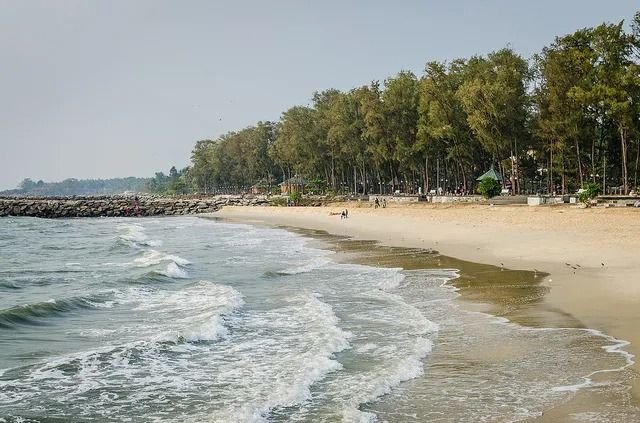
Kozhikode Beach Kozhikode Beach: Steeped in rich maritime history and pulsating with vibrant local life, Kozhikode Beach (historically known as Calicut Beach) is the absolute cultural and recreational heart of Kozhikode city. Stretching along the pristine Malabar Coast, this expansive sandy shoreline has borne witness to centuries of global seafaring history, acting as a crucial trading port where ancient Phoenician, Arab, Chinese, and European vessels once anchored to trade for world-famous Malabar spices. Today, the beach functions as a grand public living room for locals and a captivating urban coastal escape for travelers. It is celebrated for its wide, clean sands, beautifully paved open-air promenades, and deep literary roots—Kozhikode being India’s first UNESCO City of Literature. The atmosphere here changes beautifully from a quiet, breezy morning haven into a lively, high-energy festival of street food, family gatherings, and brilliant golden sunsets over the Arabian Sea. Top Things to See & Do Inside: View the Weathered Icons of the Century-Old Piers: Walking along the central shoreline brings you face-to-face with Kozhikode’s maritime past: the rusted iron skeletal pillars of two massive, century-old shipping piers stretching out into the waves. Built during the colonial era to load spices onto cargo ships, these historic structures now stand as hauntingly beautiful, weathered monuments that provide a spectacular, nostalgic backdrop for evening landscape photography. Savor Legendary Street Food and Malabar Delicacies: The beach promenade is an absolute paradise for culinary explorers, coming alive at dusk with dozens of active food stalls. Travelers can sample Kallumakkaya Fry (spicy pickled mussels), crispy banana fritters, and Kozhikode’s signature street treat—Ais-Orathi (a unique shaved ice dessert layered with sweet milk, fruits, and dry fruits). Afterward, head to the nearby beach road cafes to sip a glass of piping hot, authentic Sulaimani (spiced Malabar black tea). Explore the Marine Life Aquarium and Lions Park: Built directly adjacent to the main promenade, the Marine Life Aquarium offers families a wonderful look at regional biodiversity, featuring indoor tanks filled with native marine fish, anemones, and coastal organisms. Right next door is the beautifully landscaped Lions Park, equipped with safe children’s play structures, seating zones, and open green patches perfect for cooling down under the evening sea breeze. Stroll the Literati Promenades and Open-Air Stages: True to the city’s literary heritage, the broad, stone-paved walking track is flanked by beautifully lit open-air stages and cultural seating circles. These spaces regularly host impromptu musical performances, public book readings, and lively intellectual debates, offering travelers a firsthand look at the sophisticated, warm, and highly artistic communal life of the Malabar population. View Nearby Destinations All Events Destinations Kozhikode Beach Pathiramanal Island Gavi Kannur & Kasaragod Wayanad Kozhikode & Malappuram Load More End of Content.

Traditional Agraharam houses and temple chariots in Kalpathy village
Destinations

Kalpathy

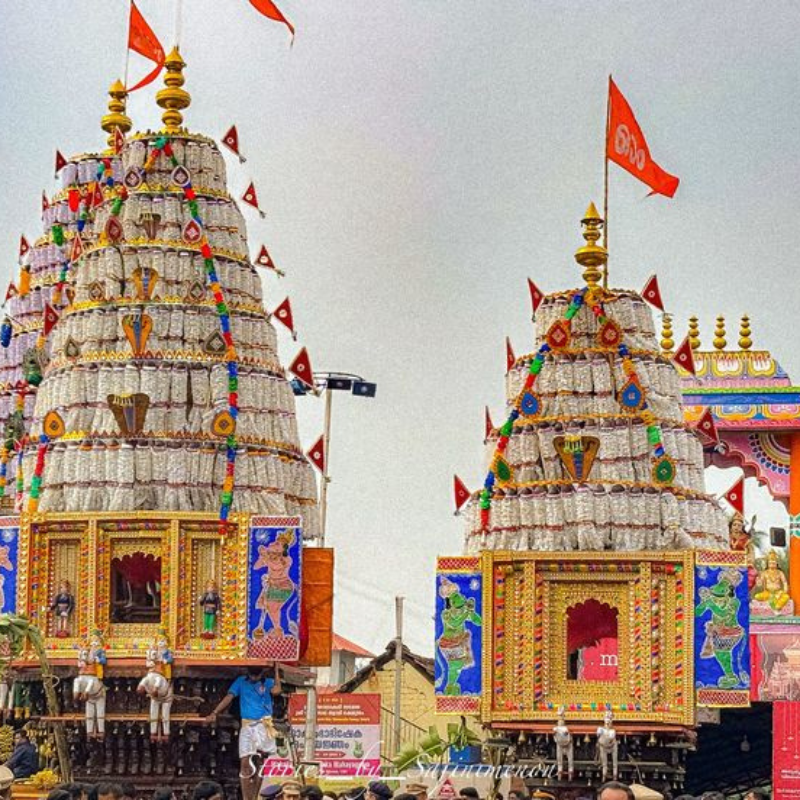
Kalpathy Kalpathy Heritage Village: Nestled gently along the banks of the Kalpathy River (a primary tributary of the Bharathapuzha) just 3 kilometers from Palakkad town center, Kalpathy is one of the most culturally significant, architecturally preserved historical settlements in Kerala. Established early in the 15th century by migrant Tamil Brahmins (Iyers) who traveled from the Tanjore region, this unique neighborhood is legally protected as India’s first Heritage Village and is a prominent nominee for UNESCO World Heritage status. Architecturally and socially, Kalpathy is a living museum of the Agraharam system—a traditional layout where rows of interconnected, shared-wall houses face each other down long, linear streets, all leading conceptually to a central temple hub. Walking down these quiet lanes transports you directly into a bygone era. The air is thick with the soothing scent of filter coffee, burning camphor, and fresh jasmine, while the walls echo with Vedic chants. This seamless preservation of ancient customs, classical Carnatic music traditions, and old-world Tamil-Malayali fusion makes it an unmissable destination for cultural purists and heritage explorers. Top Things to See & Do Inside: Visit the Historic Sree Viswanatha Swamy Temple: The spiritual anchor of the entire settlement is the Kalpathy Sree Viswanatha Swamy Temple, constructed in 1425 AD by the ruler of Palakkad, Itti Pangi Achan. Modeled explicitly after the sacred Kashi Vishwanath temple in Varanasi, this ancient stone monument features a grand multi-tiered entrance, beautifully carved granite pillars, and a sacred river ghat (padathurai). Stepping onto its cool stone floors offers a profound look into the region’s 600-year-old spiritual lineage. Stroll the Four Classic Agraharam Streets: To truly absorb the village’s heritage, take a slow pedestrian walk through the core residential layout: Chathapuram, Old Kalpathy, New Kalpathy, and Govindarajapuram. Look closely at the traditional architecture—defined by long, open front verandas (Thinnai), massive hand-carved wooden doors, high sloping clay-tiled roofs, and intricate chalk geometric folk art (Kolams) drawn perfectly by women on the doorsteps every morning. Experience the Grandeur of the Kalpathy Ratholsavam (Chariot Festival): If you visit during the middle of November, you will witness the world-famous Kalpathy Ratholsavam. During this monumental 10-day annual festival, the quiet village streets erupt into a vibrant sea of thousands of devotees. The highlight involves tracking the massive, multi-tiered temple chariots (Raths), completely decorated in colorful fabrics and flowers, as they are manually pulled through all the Agraharam streets by massive crowds to rhythmic drumbeats and Vedic recitations. Savor Authentic Traditional Iyer Culinary Delights: Kalpathy is an absolute paradise for food lovers looking for unadulterated, classical vegetarian flavors. Small, generations-old home kitchens and local mess halls across the village serve iconic, legendary treats like steamed Ramassery Idlis (a rare, flat variety of idli unique to the district), perfectly crisp Medu Vadas, spicy Arachu Vitta Sambar, and rich, authentic Palakkad-style Pradhaman (payasam), cooked traditionally over slow wood fires. View Nearby Destinations All Events Destinations Kalpathy Pathiramanal Island Gavi Kannur & Kasaragod Wayanad Kozhikode & Malappuram Load More End of Content.

Lush green forest trekking path leading to Dhoni waterfalls
Destinations

Dhoni Hills

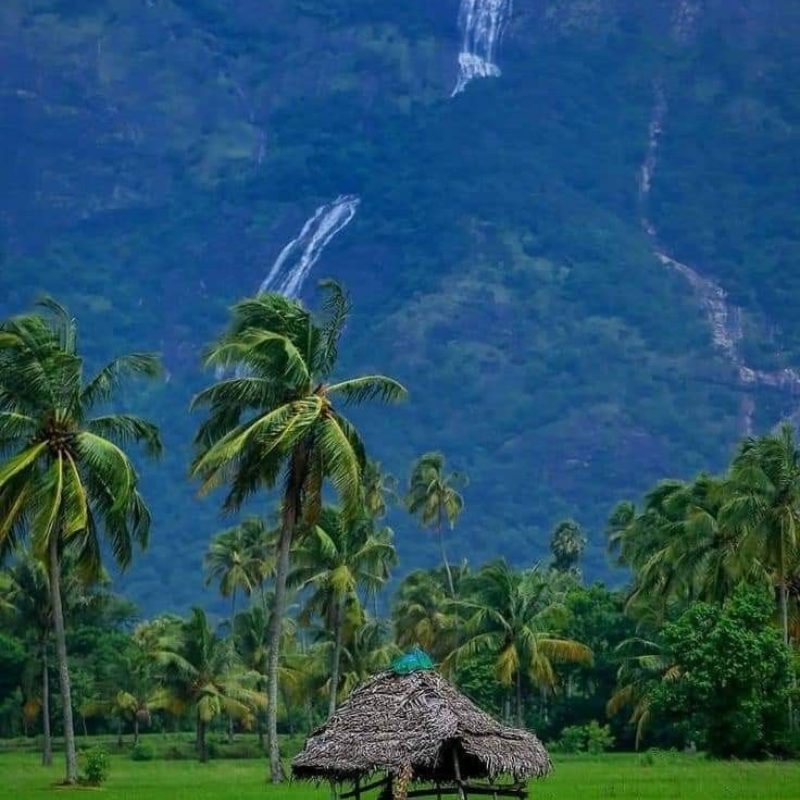
Dhoni Hills Dhoni Hills: Situated just 12 kilometers north of Palakkad town, Dhoni Hills is a spectacular, low-profile eco-tourism destination hidden within the dense forest tracts of the Western Ghats. Cloaked in a perpetual blanket of morning mist and framed by towering mountain ridges, this reserve forest area is highly celebrated among outdoor enthusiasts for its rugged, untouched terrain and rich biological diversity. Unlike commercialized hill stations with manicured viewpoint platforms, Dhoni Hills offers raw, unadulterated wilderness exploration. The destination is defined by its signature 3-hour guided forest trek that snakes through dense tropical evergreen canopies, rubber plantations, and spice-scented air before culminating at the pristine Dhoni Waterfalls. Managed carefully by the Kerala Forest Department to preserve its fragile ecosystem, it serves as an exceptional sanctuary for trekkers, birdwatchers, and soul-seekers wanting to escape the urban heat of the Palakkad plains. Top Things to See & Do Inside: Conquer the 3-Hour Forest Trekking Trail: The ultimate highlight of Dhoni Hills is the exhilarating 4-kilometer uphill trek that begins at the Forest Department check-post. The trail is an unpaved, stone-strewn mountain path that cuts through deep moist deciduous and evergreen forests. Walking beneath the massive green canopy provides an incredible sensory rush, as the crisp mountain air cools down rapidly with every step of the climb. Relax at the Pristine Dhoni Waterfalls: The arduous uphill climb rewards trekkers with the sight of the beautiful, secluded Dhoni Waterfalls cascading down a steep face of solid granite rocks. Nestled deep inside the reserve forest, this mountain torrent forms a crystal-clear, refreshing pool at its base. Standing on the nearby rocky banks wrapped in cold mountain spray is the ultimate way to rejuvenate after the long trek. Spot Rare Western Ghats Avian and Primate Wildlife: The dense, protected forests surrounding the Dhoni trails are incredibly active wildlife corridors. Walking quietly with a trained forest tracker gives birdwatchers a fantastic vantage point to spot endemic species like the Malabar Whistling Thrush, the Indian Pitta, and the Great Indian Hornbill. Keep your eyes locked on the high branches to catch glimpses of the Malabar Giant Squirrel and playful troops of Nilgiri Langurs. Tour the Government Cattle and Swiss-Dairy Farm Base: Located right at the foothills of the Dhoni mountain range is an expansive, historic dairy farm venture established in collaboration with Swiss agricultural agencies. Visitors can stroll past lush green pasture lands to see high-yielding cattle breeds and learn about modern eco-friendly dairy processing methods, serving as a peaceful, educational prelude before entering the deep forest check-posts. View Nearby Destinations All Events Destinations Dhoni Hills Pathiramanal Island Gavi Kannur & Kasaragod Wayanad Kozhikode & Malappuram Load More End of Content.

Wildlife safari jeep in the teak plantations of Parambikulam
Destinations

Parambikulam Tiger Reserve

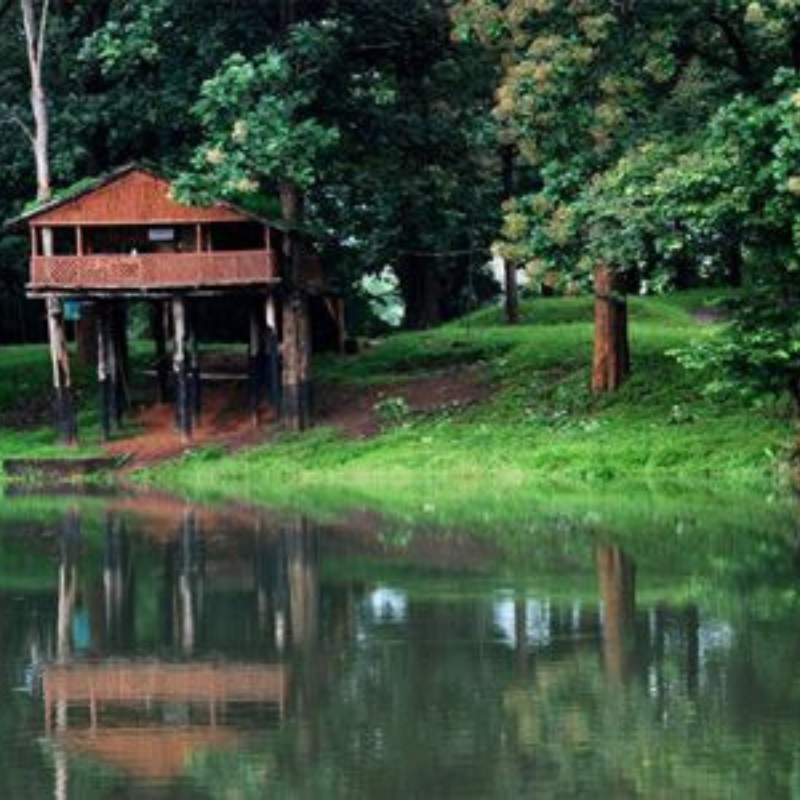
Parambikulam Tiger Reserve Parambikulam Tiger Reserve: Sprawling across 644 square kilometers in the Chittur taluk of Palakkad district, Parambikulam Tiger Reserve stands as one of the most strictly protected and ecologically sound biological fortresses in the Western Ghats. Nestled right between the Anamalai Hills and the Nelliampathy Hills, this high-profile reserve is a critical biodiversity hotspot. It features a stunningly diverse landscape of peninsula evergreen forests, dense moist deciduous woods, and vast reservoirs. What makes Parambikulam truly exceptional is its community-based eco-tourism model. The reserve is entirely managed in partnership with local indigenous tribal communities (Kadas, Malasars, and Muduvas), who act as the primary forest protectors, safari drivers, and wilderness guides. The sanctuary completely surrounds three major historical dams—Parambikulam, Thunakadavu, and Peruvaripallam—creating a spectacular interior ecosystem where rolling green hills melt into massive, glassy water bodies teeming with rare wildlife. Top Things to See & Do Inside: Pay Homage to the Ancient Kannimara Teak: Deep within the reserve stands the Kannimara Teak, one of the largest and oldest living teak trees on Earth. Boasting an incredible girth of over 6.5 meters and towering past 48 meters, this prehistoric giant is estimated to be more than 460 years old. Local tribes worship the tree as a living deity, and it was rightfully awarded the Mahavriksha Puraskar by the Government of India for its phenomenal historical value. Embark on a Multi-Terrain Forest Jungle Safari: To explore the core zones, visitors board the official eco-tourism jungle safaris. Because commercial private vehicles are strictly restricted past the entry gates to maintain low emissions, these specialized vans navigate deep logging tracks. The drives provide elite opportunities to spot the majestic Bengal tiger, wild elephant herds, the Indian Gaur (bison), Nilgiri langurs, and the highly vulnerable Malabar Giant Squirrel leaping through the high tree canopies. Cruise the Waterways on a Traditional Bamboo Rafting Circuit: For an unforgettable, quiet immersion into the wilderness, take a guided bamboo rafting tour on the calm expanses of the Parambikulam reservoir. Steered expertly by tribal oarsmen using long bamboo poles, the raft drifts silently along the edges of the dense, half-submerged dead woods. This slow-travel experience allows birdwatchers to spot unique water birds like the Lesser Adjutant Stork and the Oriental Darter without scaring them off. Trek the Pugmark Trails and Stay in Island Nest Eco-Lodges: For multi-day explorers, the Forest Department coordinates specialized guided treks like the Pugmark Trail. Accompanied by tribal trackers, you can decode jungle signs and look for fresh tracks. To experience the ultimate deep-jungle night, book an overnight stay at the Island Nest—a secluded bamboo cottage built directly on an island structure inside the reservoir, accessible only via rowboat. View Nearby Destinations All Events Destinations Parambikulam Tiger Reserve Pathiramanal Island Gavi Kannur & Kasaragod Wayanad Kozhikode & Malappuram Load More End of Content.

Scroll to Top