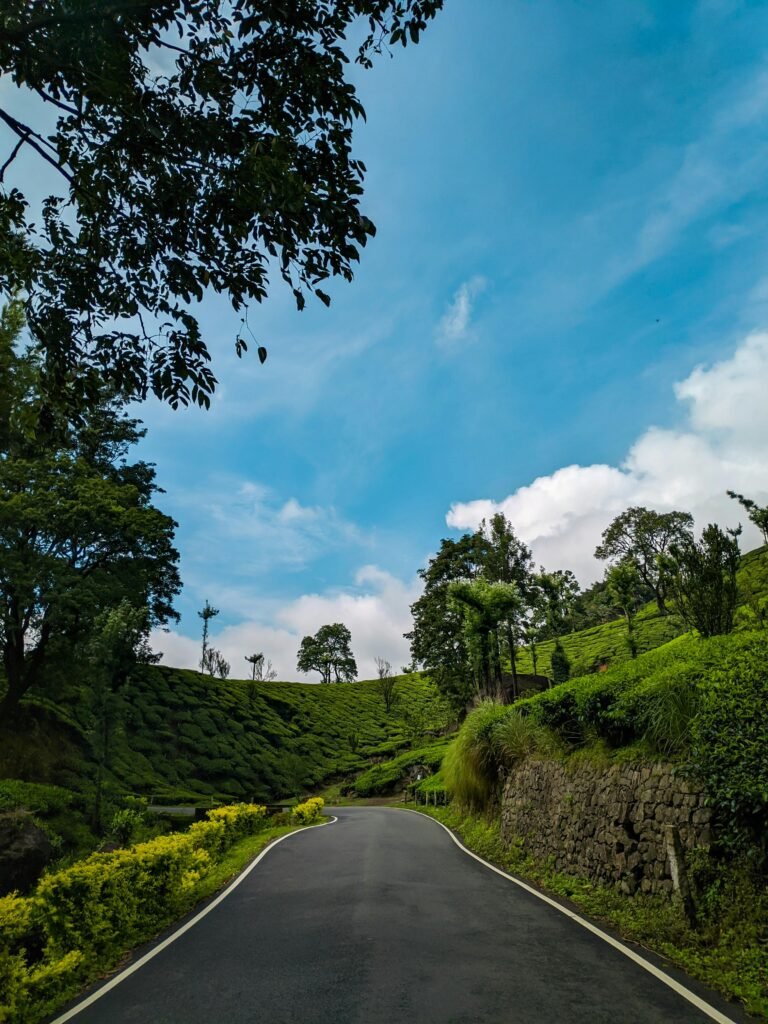
Munnar & Alleppey 3 Night 4 Days 2 Pax Itinerary Day 1: Cochin to Munnar Pick up and proceed to...
Most travellers pass through Kottayam on the way to somewhere else. It sits between the backwaters of Alappuzha and the hills of Idukki, which means it functions as a transit point on most Kerala itineraries rather than a destination in its own right.
That is a partial misreading of what Kottayam actually is. The district holds Kumarakom, one of Kerala’s finest bird sanctuaries, the western shore of Vembanad Lake, a rubber plantation landscape found nowhere else in India, an ancient Christian heritage that goes back nearly two thousand years, and the gateway into the hills that leads to everything Idukki has to offer.
Idukki, on the other hand, needs no defence. It is one of the largest districts in Kerala, almost entirely mountainous, and home to Munnar, Thekkady, the Idukki Arch Dam, Vagamon, Ramakkalmedu, and stretches of forest that belong to the Periyar Tiger Reserve. If Kottayam is the foyer, Idukki is the main event.
This guide covers both — because they work best understood together.
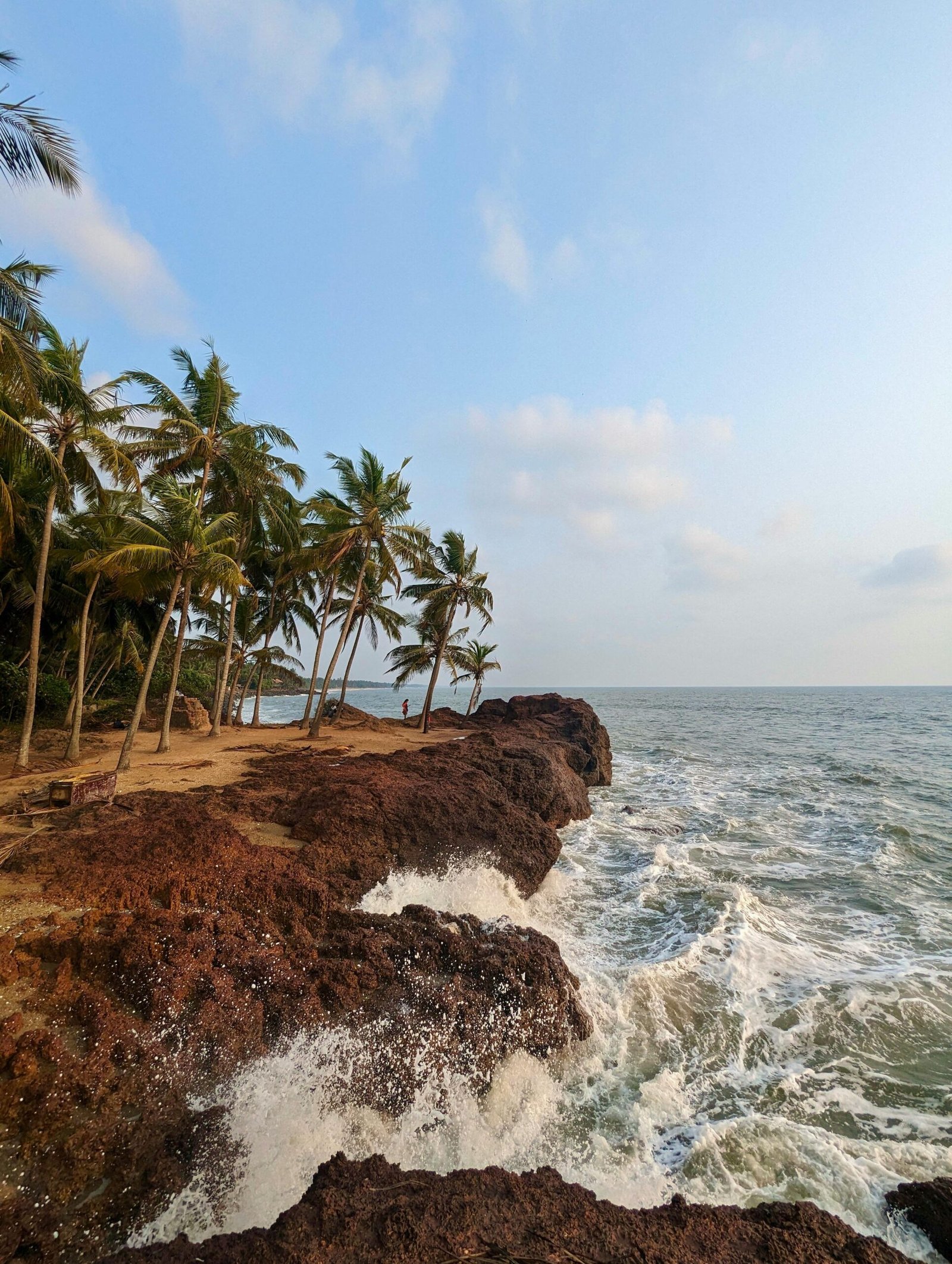
Munnar & Alleppey 3 Night 4 Days 2 Pax Itinerary Day 1: Cochin to Munnar Pick up and proceed to...
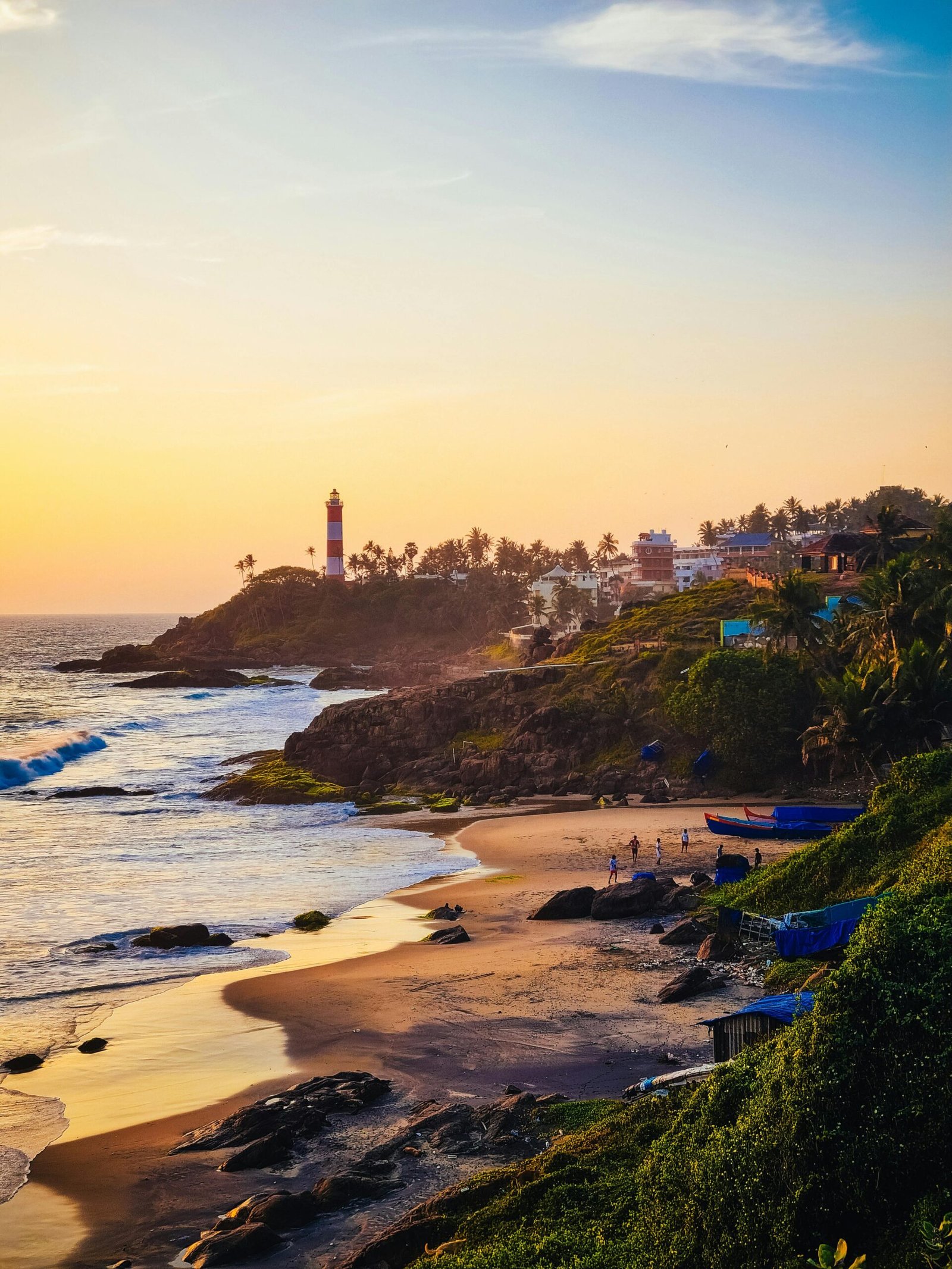
8-Day Enchanting Kerala Escape Itinerary Day 1: Arrival at Cochin Pick up at cochin, visit Dutch palace, Jewish synagogue, chinese...
6-Day Enchanting Kerala Escape Itinerary Day 1: Arrival at Cochin Pick-up: Cochin Airport / Railway Station Proceed to hotel check-in...
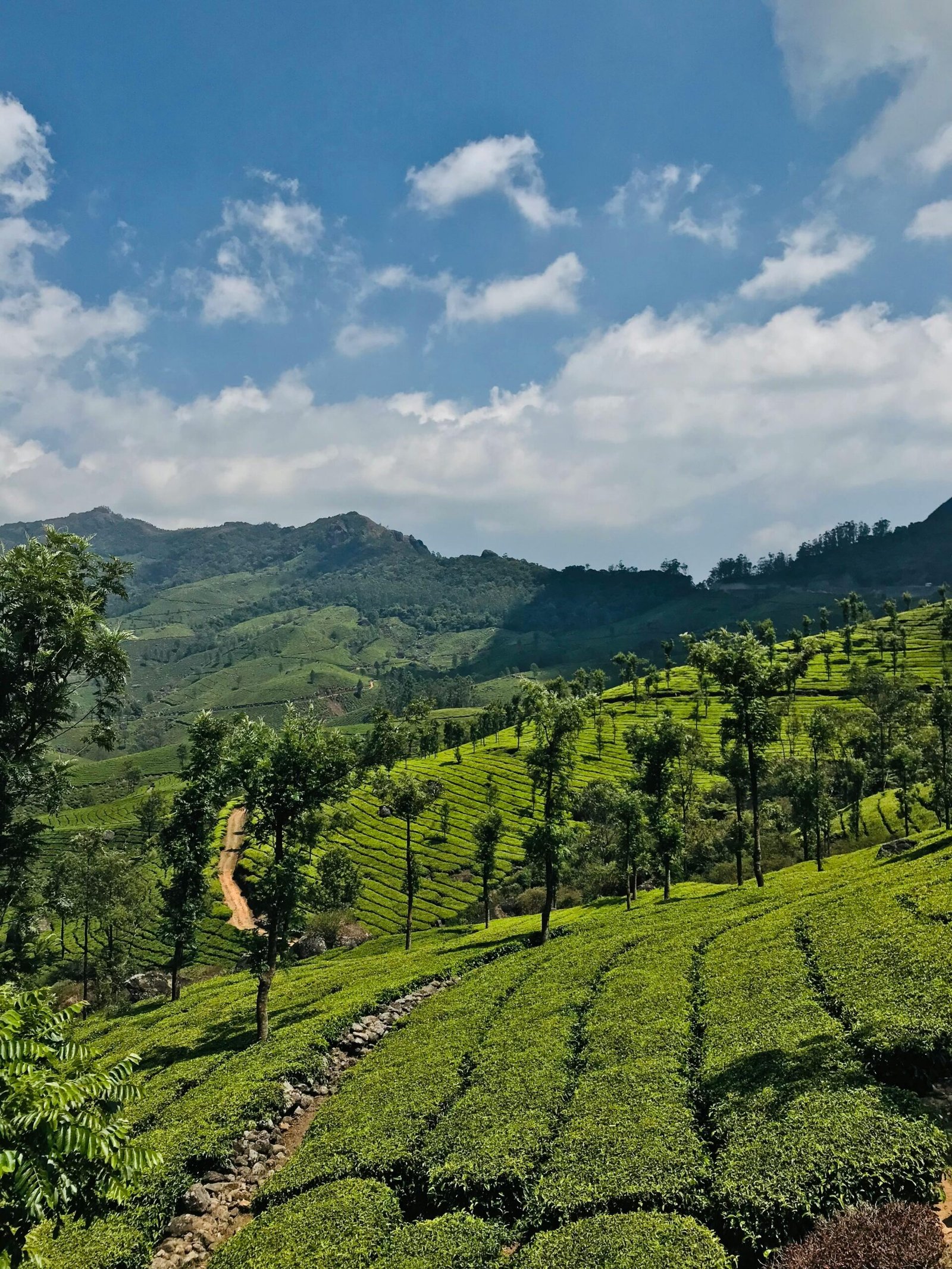
Endless rolling tea estates.
Meadows, pine forests, and paragliding.
Boating with mountain views.
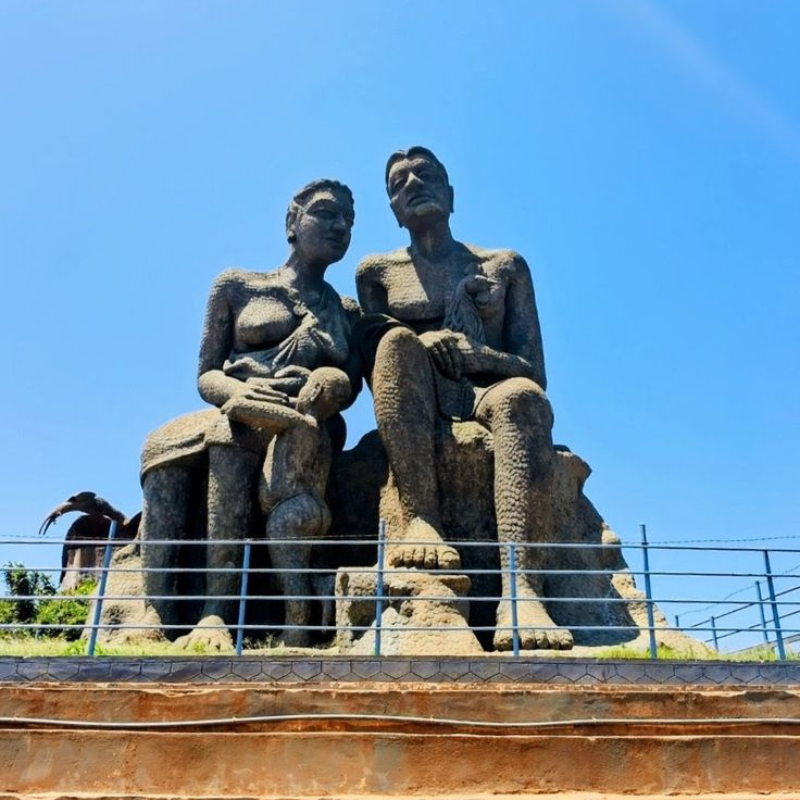
High-altitude views and giant Kuravan/Kurathi statues.
Scenic falls between Munnar and Pallivasal.
Home of the Nilgiri Tahr.
Massive arch dam between two mountains.
Highest point in Munnar with panoramic views.
Mythological site with trekking trails.
Hill station where "leaves don't fall" due to winds.
Jungle boating and wildlife safari.
Luxury bird sanctuary and lakeside resorts.
Highest peak in South India.
Only place in Kerala with natural Sandalwood forests.
A massive rock formation at 4000ft.
Kottayam holds a specific distinction in Indian publishing history. It was the first district in India to achieve 100 percent literacy — a fact that shaped its character in ways that are still visible. More Malayalam newspapers, magazines, and publishing houses are headquartered here than anywhere else in the state. The city has a quiet, educated, self-contained quality that is different from the commercial energy of Cochin or the tourist infrastructure of Munnar.
Beyond that cultural identity, Kottayam’s landscape is defined by two things: rubber trees and water. Drive in any direction from the town and within minutes you are inside rubber plantations — rows of pale-barked trees with collection cups attached, tapped in the early morning before the heat sets in. It is an unusual and quietly beautiful landscape, particularly in the mist that settles into the valleys between October and February.
Twenty-two kilometres west of Kottayam town, on the eastern shore of Vembanad Lake, is Kumarakom. Most travellers know it as a luxury resort destination — and that reputation is accurate. However, what makes Kumarakom worth visiting even for non-resort guests is the Kumarakom Bird Sanctuary.
The sanctuary covers 14 acres of former rubber plantation that borders the lake. Because it sits at the water’s edge, it attracts an extraordinary variety of migratory and resident birds — egrets, herons, cormorants, darters, teals, and during the October to February migration season, Siberian storks and other long-distance visitors. Early morning — before 8 AM — is when the sanctuary is at its most active. The light on the water at that hour, combined with the bird activity, makes it one of the more memorable natural experiences in southern Kerala.
Boat rides on Vembanad Lake from Kumarakom are a different experience from Alappuzha — wider water, more open sky, and a quieter atmosphere because the tourist density is lower. The sunset across the lake from the Kumarakom shore is consistently excellent.
Worth noting: Kumarakom connects by water to Alappuzha — a ferry journey of roughly 2.5 hours that passes through the central Vembanad waterway. If your itinerary includes both, travelling between them by boat rather than road is the more interesting option.
Kottayam district produces more natural rubber than any other district in India. The landscape this creates is genuinely distinctive — unlike the tea gardens of Munnar, which are manicured and photogenic, rubber plantations have a different character. The trees are tall and spaced, the canopy creates dappled light, the undergrowth is kept clear, and the white latex collecting in small cups on each trunk gives the whole scene a quiet, purposeful atmosphere.
Tapping happens between 5 and 8 AM, before the sun hardens the latex flow. Watching a rubber tapper work — making precise diagonal cuts in the bark with a small curved blade, each cut exactly where the previous one ended — is a skill that takes years to learn and is hypnotic to observe.
Several plantation stays and homestays in Kottayam district offer the chance to walk rubber estates, watch the tapping process, and understand the agricultural economy that has shaped this part of Kerala for over a century. For travellers interested in something beyond sightseeing, a rubber plantation stay is one of the more genuine rural experiences available in Kerala.
Kottayam is one of the centres of Kerala’s ancient Syrian Christian community — communities that trace their origin to the arrival of St. Thomas the Apostle on the Kerala coast in 52 AD. Two churches in particular are worth visiting.
Valiapalli (St. Mary’s Church, Kottayam) was built in 1550 and contains inscriptions in Pahlavi (ancient Persian script) and Syriac — physical evidence of the historical connection between Kerala’s early Christians and the Church of the East. The church architecture combines traditional Kerala roofing with Christian iconography in a way that is entirely specific to this region and nowhere else.
Cheriapalli (Small Church) was built in 1579 by Portuguese missionaries. The interior murals, painted in a folk style that blends European religious imagery with Kerala artistic traditions, are unlike anything you will see in a conventional church anywhere in the world.
Both churches are within 2 kilometres of each other and open to visitors of all backgrounds. Together they constitute a 45-minute visit that covers nearly 2,000 years of religious history in a very small area.
About 60 kilometres from Kottayam town, near the Idukki border, is Illikkal Kallu — a granite rock formation rising from the forested hills that relatively few tourists outside Kerala have heard of.
The view from the top takes in an enormous sweep of the Western Ghats — forest, mist, river valleys, and on clear days, the plains of Kottayam district far below. The trek to the summit takes about 90 minutes through forest and open grassland. It is not technically difficult but requires reasonable fitness.
Because it sits at the administrative edge of Kottayam district and the access road is unremarked in most travel guides, Illikkal Kallu remains one of the less crowded viewpoints in this part of Kerala. That will change as search interest grows. Go before it does.
The transition from Kottayam to Idukki is one of the more dramatic geographic shifts available by road in South India. The landscape goes from flat to steep within about 20 kilometres. Rubber gives way to cardamom. The air temperature drops. Waterfalls begin appearing on hillsides. The road starts curving.
Idukki is the second-largest district in Kerala by area. Almost all of it is above 900 metres. It contains the highest peak in the Western Ghats south of the Nilgiris. It is home to the largest number of tribal communities in Kerala, several protected forest zones, and a biodiversity that places it among the most ecologically significant regions in South Asia.
Consequently, it is also home to Munnar — Kerala’s most visited hill station — and Thekkady — its most visited wildlife destination. Both are covered in detail in our main Kerala travel guide. This section focuses on what Idukki offers beyond those two headline destinations.
View Kerala packages that include Munnar and Thekkady → https://bestkeralatourpackages.com/trips/
The Idukki Dam is the largest arch dam in Asia and the second largest in the world. It spans the Periyar River between two granite hills — Kuravan and Kurathi — at a height of 168 metres. The reservoir it creates, Idukki Reservoir, covers over 60 square kilometres of what was previously deep forest valley.
What makes visiting the dam interesting is not primarily the engineering — though the scale is genuinely impressive when you stand at the viewpoint — but the landscape surrounding it. The reservoir sits inside the Idukki Wildlife Sanctuary, which means the drive to the dam passes through dense forest with reasonable chances of spotting wildlife along the road. Elephants, bison, and deer are commonly seen near the forest road in the early morning.
The dam itself is not always open to visitors — access depends on the water level and Kerala State Electricity Board permissions. Check current access conditions before planning a specific visit around it. The drive through the sanctuary to reach it is worthwhile regardless.
About 55 kilometres north of Kottayam town, at an altitude of 1,100 metres, is Vagamon. Unlike Munnar — which has been a well-known destination for decades — Vagamon is only recently appearing regularly in travel searches. That gap between its quality and its relative obscurity is what makes it interesting right now.
The landscape at Vagamon is a combination of pine forests, open meadows, tea estates, and grassland hills that roll into the mist. The three hills associated with the area — Thangal Para, Murugan Para, and Kurisumala — each have distinct character and are walkable without a guide. The Kurisumala Ashram, a Christian contemplative monastery on one of the hills, is open to visitors and overlooks a view of the Western Ghats that is among the finest in Kerala.
Because Vagamon sits between Kottayam and Idukki administratively and geographically, it is often left off both districts’ tourist circuits. In practice, it is reachable from either side and combines easily with a Thekkady visit on the Idukki side or a Kottayam-Kumarakom visit on the other.
Vagamon is best visited between October and March. During monsoon, the meadows flood and road access becomes difficult. However, post-monsoon Vagamon — green meadows, low mist, very few visitors — is genuinely beautiful.
On the Idukki-Tamil Nadu border, at 1,152 metres above sea level, Ramakkalmedu is one of the windiest points in Kerala. The wind turbines installed here are visible from kilometres away and give the landscape an unusual, almost Scandinavian quality.
The viewpoint at Ramakkalmedu looks down over the plains of Tamil Nadu — a drop of hundreds of metres that makes the view one of the more dramatic in the district. The granite formations around the viewpoint are interesting in their own right — large rounded boulders balanced on the hillside that have clearly been there long enough to become part of the local mythology.
The Neelimala Viewpoint, a short walk from the main Ramakkalmedu area, is the more expansive of the two viewpoints and the one most photographers aim for. Go in the morning — by midday, mist often closes in from the Kerala side and the Tamil Nadu view disappears.
Ramakkalmedu is 45 kilometres from Thekkady, which makes it a practical half-day extension if you are spending two nights in the Thekkady area.
Eravikulam National Park sits within Idukki district, adjacent to Munnar town, and is one of the most ecologically significant protected areas in South India. The park covers 97 square kilometres of high-altitude shola forest and montane grassland — a habitat type that exists nowhere else in the world in quite this form.
The park is the primary home of the Nilgiri Tahr — an endangered mountain goat found only in the Western Ghats. Tahr are remarkably accustomed to human presence within the park and can often be observed at close range from the walking path near the park entrance. This is one of the rare situations in Indian wildlife tourism where a genuinely endangered animal is both visible and relaxed.
The park is closed from February to April each year during the calving season. Entry is managed with daily visitor limits, which means queues can be long during peak season (November to January). Arrive at the park gate by 8 AM to avoid the worst of the wait.
Worth noting: Eravikulam also protects the Anamudi Peak — at 2,695 metres, the highest point in South India. Summit treks are not permitted to casual visitors, but the view of Anamudi from the park’s grassland areas is impressive.
Idukki district produces the majority of Kerala’s spice output — cardamom, black pepper, nutmeg, cloves, cinnamon, and vanilla all grow here. Spice plantation tours are available across the district, particularly around Thekkady and the areas between Kumily and Munnar.
A good spice plantation tour takes 45 to 90 minutes and walks you through active cultivation — explaining how cardamom grows in shaded understorey conditions, how pepper vines climb host trees, how vanilla requires hand pollination because its natural pollinator does not exist outside its native Mexico. The guides who have worked these estates for years know the plants with a specificity that is genuinely informative.
The tours almost always end with a spice shop. That is fine — the products are real, the quality is generally good, and prices are fair compared to tourist markets. Cardamom, pepper, and nutmeg bought directly from a Idukki plantation are noticeably fresher than packaged versions available in cities.
However, the quality of tours varies significantly. Avoid roadside stops that claim to be plantation tours but are primarily retail operations. Look for tours attached to working estates with actual cultivation to show.
The 90-kilometre drive from Munnar to Thekkady through Idukki district is one of the finest road journeys in South India. It takes approximately 2.5 to 3 hours without stops — but stopping is the point.
The road passes through cardamom estates, descends through forest, crosses the Periyar watershed, and offers multiple viewpoints over valleys that have no development visible in any direction. The Bison Valley area midway along the route is named for the herds of gaur that move through the forest here. Morning drives frequently encounter wildlife on or near the road.
Both our 5 Nights 6 Days and 7 Nights 8 Days Kerala packages use this road as the Day 4 transfer — Munnar to Thekkady — and it is consistently mentioned by travellers as one of the highlights of the journey.
View packages → https://bestkeralatourpackages.com/trips/
| Season | Months | What to Expect |
|---|---|---|
| Peak / Best | October – February | Clear skies, cool hills, ideal for Munnar, Vagamon, wildlife |
| Shoulder | March – May | Warmer in the valleys, manageable in the hills, fewer crowds |
| Monsoon | June – September | Heavy rain, dramatic waterfalls, leeches on forest trails, some roads difficult |
| Post-monsoon | October | Everything is green, waterfalls are full, excellent photography conditions |
October is arguably the most beautiful month in Idukki. The monsoon has just ended, the hills are intensely green, waterfalls are still running strongly, and the tourist crowds of peak season have not yet arrived. If flexibility exists in your travel dates, aim for the first two weeks of October.
| Kottayam | Idukki | |
|---|---|---|
| Best known for | Kumarakom backwaters, rubber estates, Syrian Christian heritage | Munnar, Thekkady, Vagamon, Eravikulam, spice country |
| Top attraction | Kumarakom Bird Sanctuary | Eravikulam National Park |
| Hidden gem | Illikkal Kallu rock formation | Ramakkalmedu viewpoint |
| Best time to visit | November – February | October – February |
| Nearest airport | Cochin (65 km) | Cochin (130 km to Munnar) |
| Suits | Heritage travellers, nature lovers, backwater seekers | Hill station lovers, wildlife enthusiasts, trekkers |
Access to the dam viewpoint depends on the water level and KSEB permissions — it is not always open to visitors. The drive through Idukki Wildlife Sanctuary to reach it is worthwhile regardless, particularly in the early morning when wildlife movement along the forest road is most active.
The park closes from approximately February to April each year during the Nilgiri Tahr calving season. Exact dates vary slightly year to year — check current status before planning a visit specifically around the park.
Yes. The meadows, the pine forests, and the rolling hills are gentle and accessible. There are no strenuous treks required to see the main landscape. The cooler temperature makes it comfortable even for older travellers and young children. Accommodation options have improved significantly in recent years.
Worth a separate night, particularly if Kumarakom interests you. The bird sanctuary, the Syrian Christian churches, and the rubber plantation landscape together justify an overnight stop rather than a drive-through. That said, travelers on a tight itinerary can cover the key Kottayam experiences as a half-day stop between Alappuzha and Thekkady.




Best Kerala Tour Packages is a specialized division of
Pravas Sukhacha™
Network & Ecosystem.
Pravas Sukhacha Office 201, 2nd Floor, Raigad Complex, Salatwada Main Road, Vadodara – 390001, Gujarat
Business Hours:
Monday to Saturday: 10:00 AM – 7:00 PM
Sunday: Closed
Copyright © 2026 All Right Reserved BEST KERALA TOUR PACKAGES